compositae
I have in the past harbored reservations about composite photographs, thinking them somehow impure. That stance began to weaken when I really looked at Jerry Uelsmann’s work, and in recent years has fallen away almost completely. A visit (last weekend) to John Paul Caponigro’s annual Open Studio was especially heartening (see his Revelation series), though John Paul’s mastery of technique is daunting.
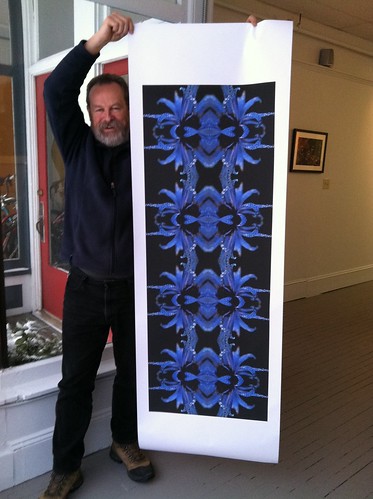
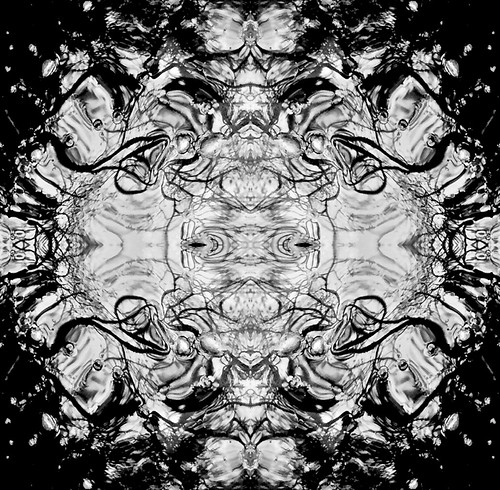
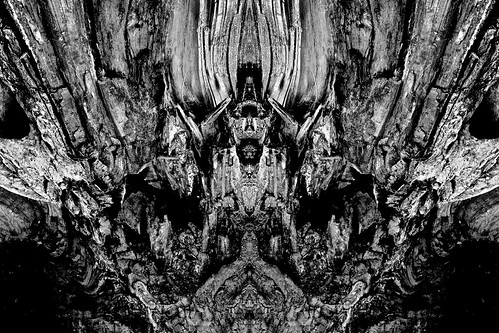
My own composite images have mostly been symmetrical mirrorings, which I’m pleased to think of as tessellations, though most of them are 2x and 4x and don’t really amount to multi-unit tiling, though some of the work with Betsy’s images realizes that potential:

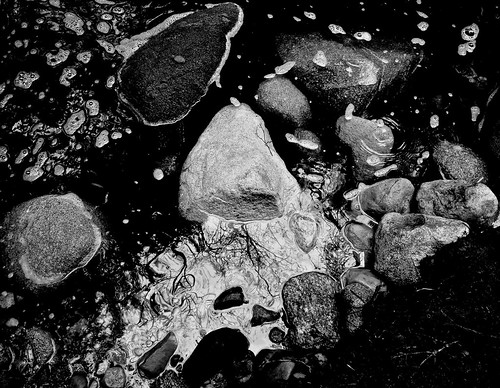
My own process is sketched in the series of images below. Here’s the original photograph:

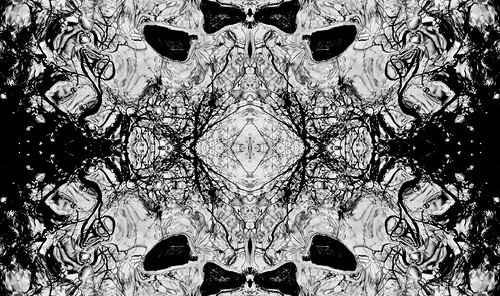
The wavy bits in the water (lower left center) seemed especially interesting, so I cropped and mirrored them:

…and then mirrored again:

…then cropped that image

and mirrored again:

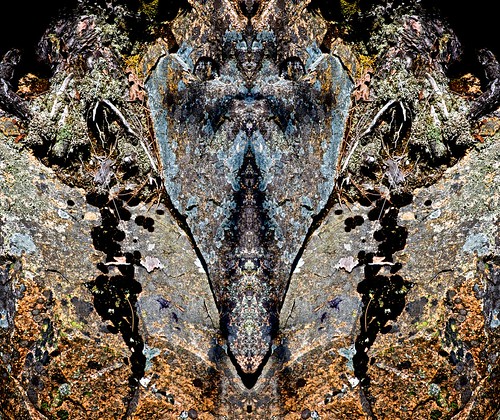
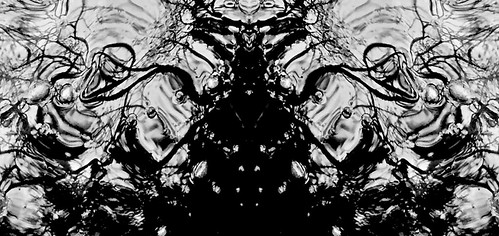
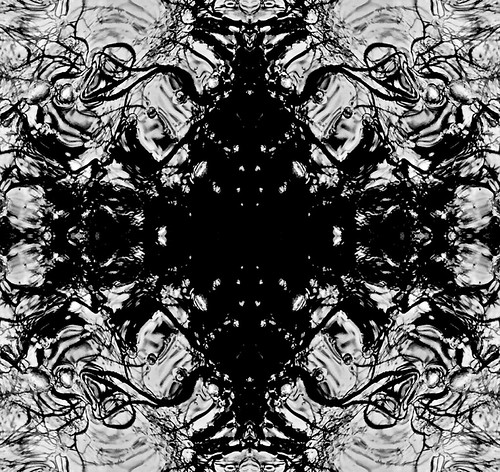
The result seemed a bit heavy, so I started again with a mirroring that moved the darker parts to the outside:

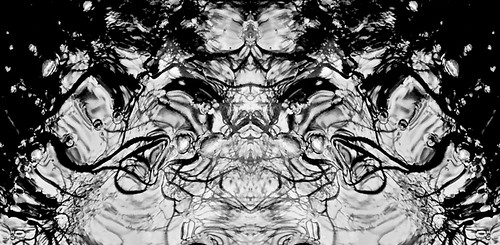
…and then cropped that to reveal a mustachio’d djinn:

or anyhow that’s one of the things I see.
when in Barre VT

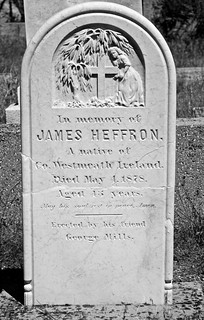
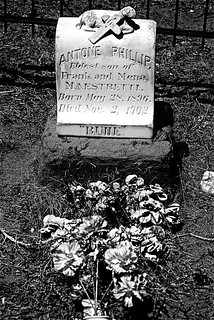
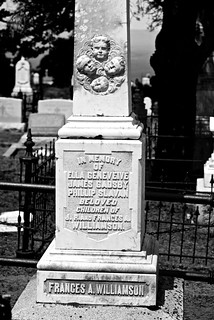
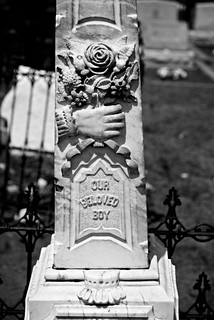
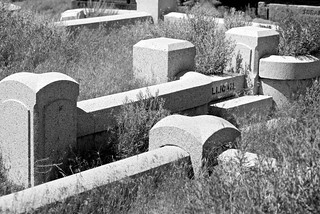
A visit to Hope Cemetery in Barre VT is pretty much a necessity for anybody interested in the artistic side of gravestones. All of the stones come from the various granite sheds in town, and showcase about 130 years of the carvers’ evolving styles and techniques. Quite a few are memorials to carvers (mostly of Italian origin) who died at young ages, of the silicosis that was epidemic in the trade until ventilation was greatly improved in the sheds in the 1930s.
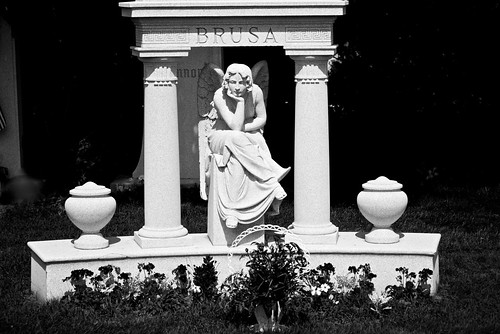
Hope Cemetery has been thoroughly documented (there’s a list of more than 6,000 interments at findagrave.com, a nice introduction via Vermonter.com, another feature story from The Boston Globe, and many excellent photographs by Christine Anne Piesyk). Several of the memorials are regularly cited in articles on the cemetery, particularly Louis Brusa’s own:
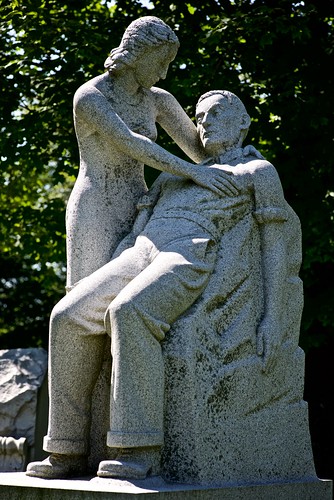
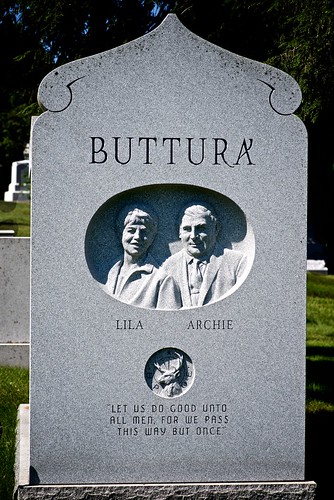
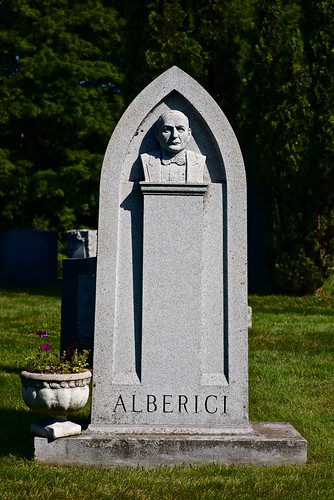
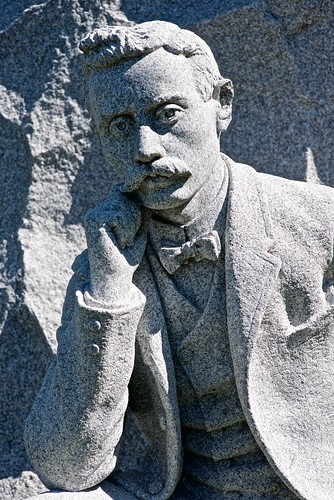
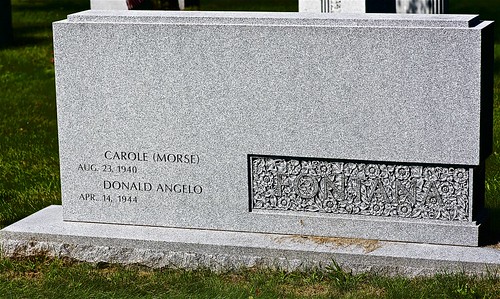
I was especially impressed by examples of portraiture in granite:
(the lattermost is Elia Corti, an especially gifted sculptor who was gunned down in 1904 in a struggle between socialist and anarchist workers).
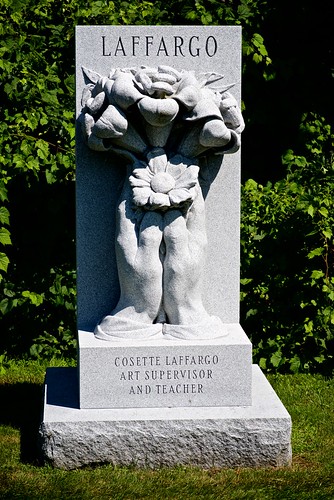
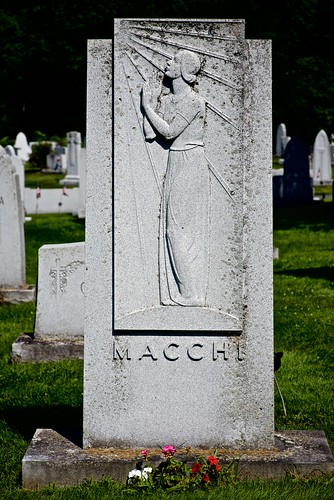
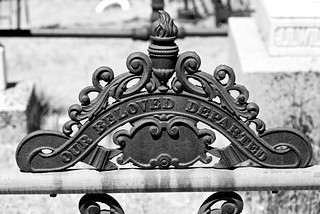
Also of great interest is the remarkable design and the refined calligraphy and decoration:
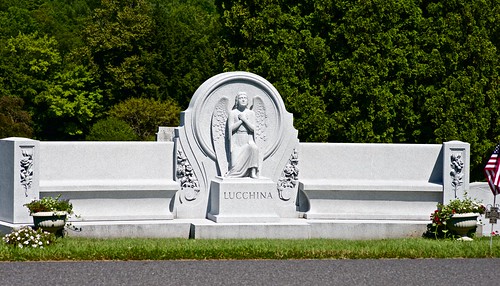
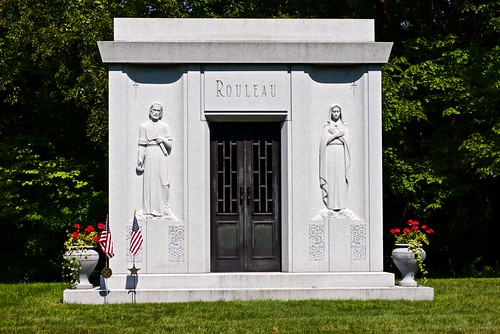
There are some especially opulent excesses:
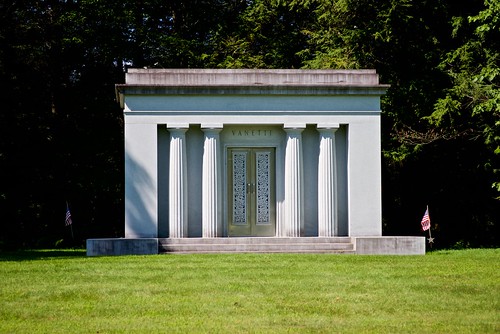
and my favorite, for the appropriateness of the surname Vanetti:

All Done Farming
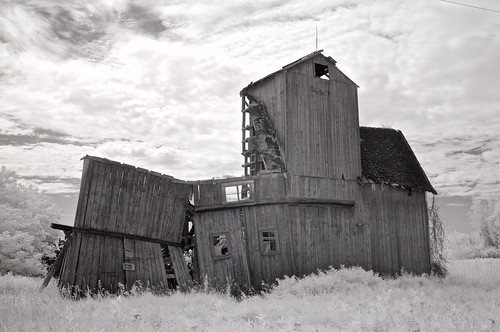
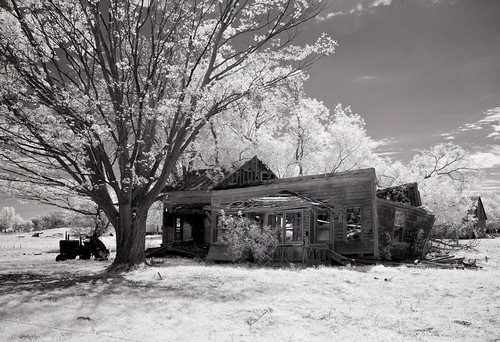
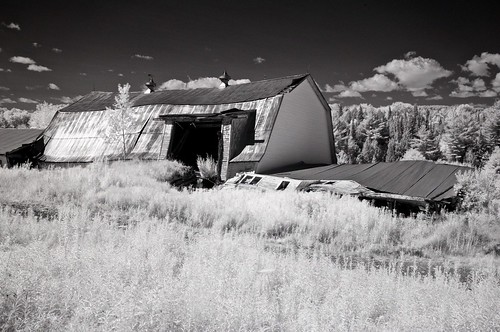
Pretty much throughout the 5 weeks of driving to California and back I noticed decaying barns and extinguished farms, but it wasn’t until we crossed from Ontario into upper New York state today that I finally stopped to photograph some examples. This was the one that begged me to turn around and go back to capture its tragedy:
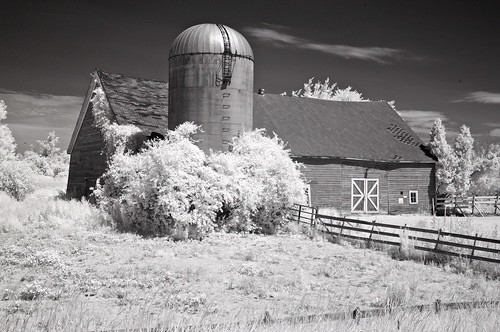
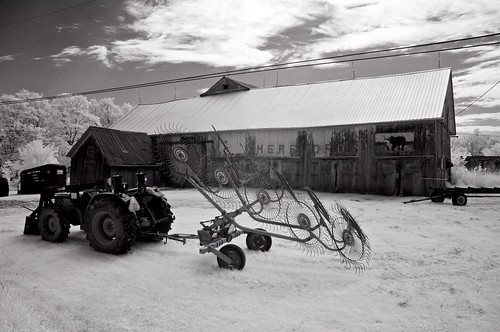
The process of decay begins when the barn is no longer actually used for livestock, and in a few years it’s fraying around the edges, vegetation is overtaking the silo, and the roof starts to go:

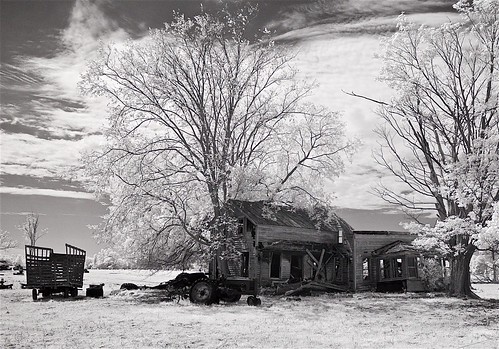
In about 10 miles on state route 37 there was a succession of examples of dashed hopes and blighted dreams, in a farming region that was probably pretty viable a generation [or maybe two] ago:
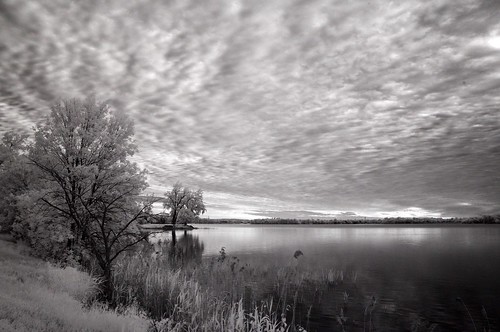
And so begins another bottomless project, tentatively titled “All Done Farming” and already nudging thoughts in the direction of another transcontinental road trip next summer. More than 45 years ago I was hip-deep in research on agricultural transformation in Nova Scotia’s Annapolis Valley. I was glad to abandon the subject once the dissertation was done—far too much heartbreak in the lives of farm families. Infrared seems to capture the desperation best.
Virginia City NV
During the Civil War Samuel Clemens spent several years in and around Virginia City (see a Wikipedia article for some rather surprising details), and it was there that he first used the pen name Mark Twain.
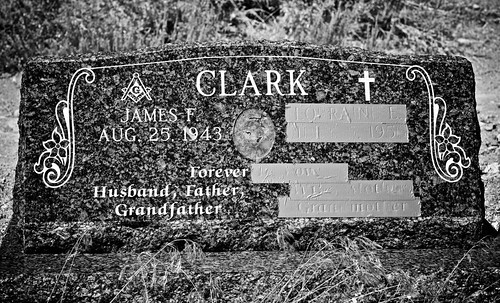
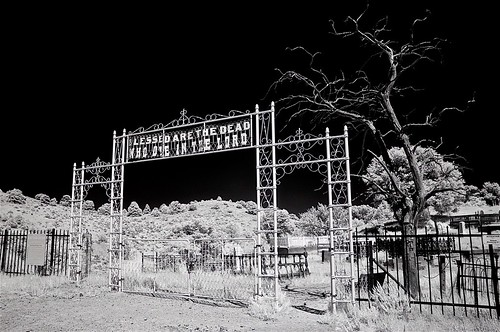
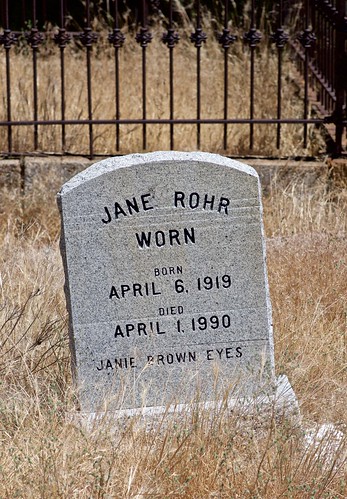
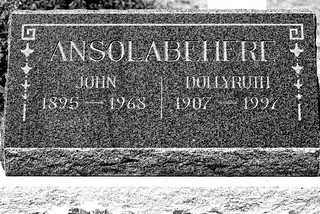
The cemeteries at Virginia City include some bits worthy of Twain’s descriptive and narrative genius. Here’s a small sample:
(and see more about her via findagrave.com)
Limitations
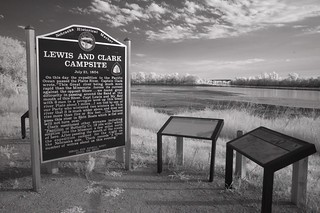
A few days ago I was standing at the confluence of the Platte and Missouri Rivers, in Plattsmouth NE, trying to figure a way to photograph the place. Here’s where a drone would come in handy, to gain Perspective on a very significant event (the joining of streams) that is happening in 2D, in the same plane I was standing on. The best I could do, and it was none too good, was to capture the sign that labels the place where Lewis and Clark’s expedition camped 213 years ago, surrounded by wolves:

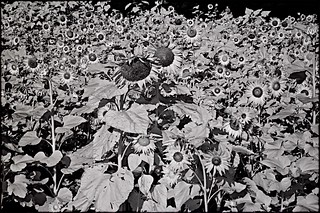
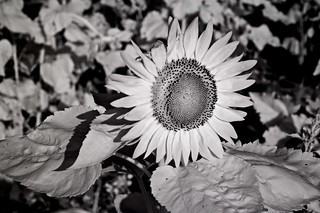
The nearby field of sunflowers was more eloquent:
The subsequent trip across Iowa produced no photos, though I started to think about a collection of abandoned barns, and another of grain-handling machinery, in the style of Bernd and Hilla Becher. That would be another trip.
bricolage in Austin NV
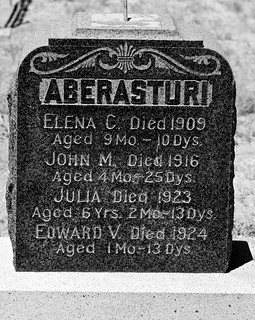
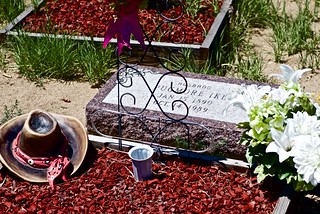
My fascination with cemeteries continues, each locale presenting novel styles and unprecedented content, enlarging my sense of cultural and temporal variety.
Each image fits somewhere in an emerging construction, the outlines of which are pretty clear (having to do with the Memorial and the Marmorial: with both the impulse to Remember and the [seeming] compulsion to make the Remembering as permanent as materials permit), but the details of linkage and explanation unfold bit by bit, as more images join the corpus. I’m not sure what the ultimate destination will turn out to be for this project, and it’s possible that it is in fact bottomless, but it proceeds site by site, and insight by insight.
As with so many others in my stable of enthusiasms, this project asks the question: How shall we account for what we see, what we encounter? Each bit [image, text fragment, etc.] is a holographic fragment of a grand edifice, and each fragment is productively considered as fundamentally linked to every other. We may explore the bonds, the implications, the entanglements, but grasping the whole seems to be beyond our meagre and measly powers.
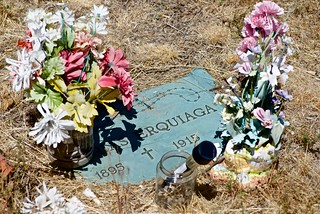
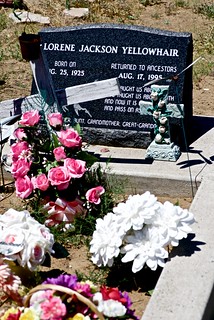
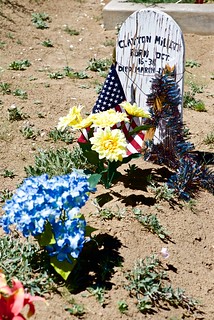
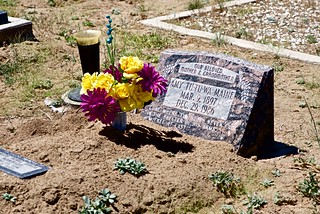
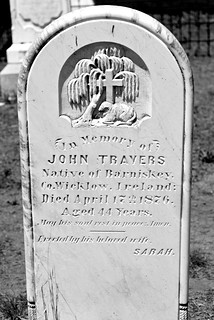
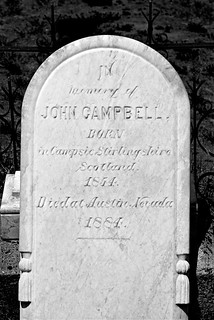
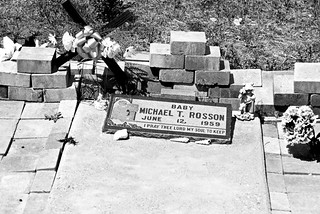
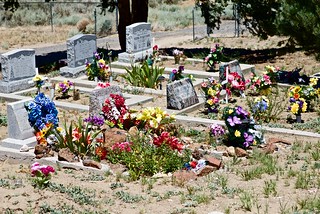
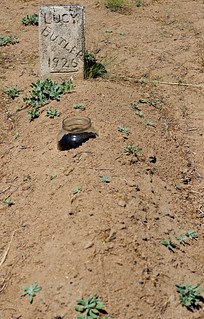
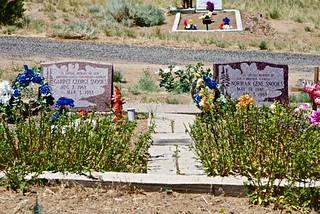
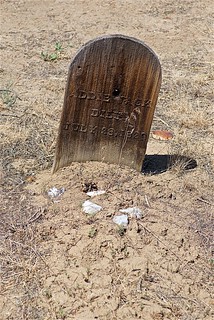
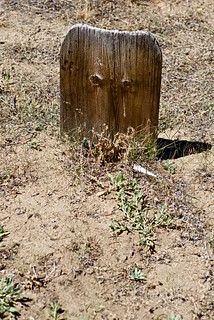
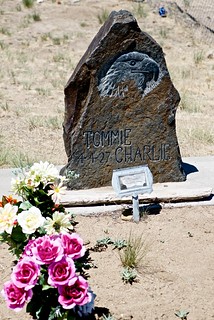
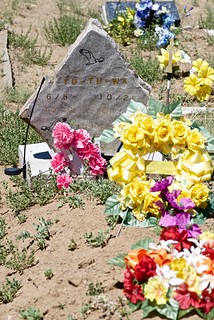
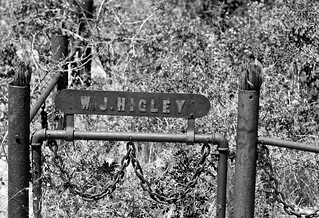
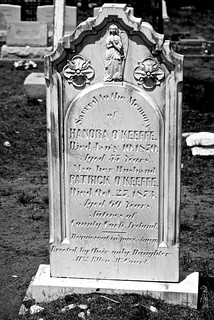
The cemetery (actually cemeteries: the Catholic Calvary cemetery and the Shoshone graveyard are adjacent but separate) at Austin NV (a 19th century mining boom town) includes these elements [click on an image to embiggen]:
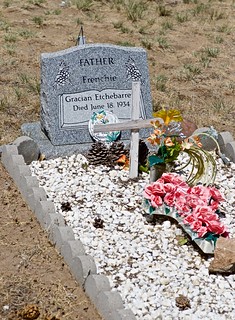
Basque surnames:
Native American surnames:
people who came from far away (Cornwall, Scotland, named counties in Ireland):
the ever-present deaths of children:
evidence of active grave tending, next to the forgotten:


opulent displays imported from afar side-by-side with the most basic and temporary of materials:

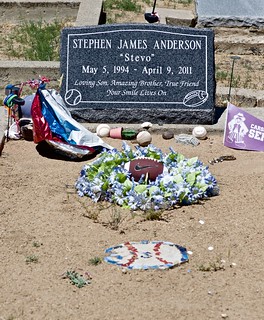
and sometimes bits of stories of the decedents’ lives. Google tells me that one young man died in a SCUBA accident in Monterey Bay, but was brought to Austin for burial:


borders:
And of course there’s lots more that I may eventually distill from the photographs I took during the visit to Austin cemeteries.
Onomastical exegesis
Some of the profounder truths/more ineffable mysteries lurk in how things are named. Why ‘toothless’ for this image, asks Bryan:

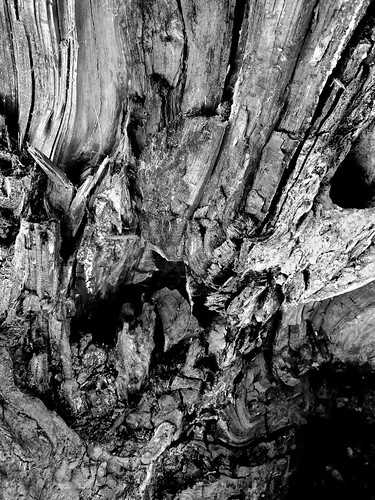
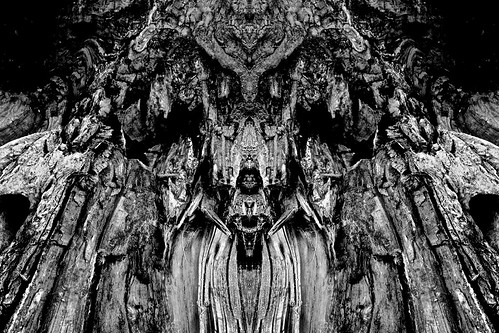
Part of the explanation has to do with the momentary flash of inspiration to which I’ve learned to attend as I’m processing images, and which I am happy to identify as macchia (“the total compositional and coloristic effect of an image in the split second before the eye begins to parse it for meaning,” more fully adumbrated in a posting from four years agone, and thanks to Teju Cole for the word). “Toothless” was the macchia that breezed through my mind on first glance at the original image (the right-hand side of the composite mirror image above):

John also suggested that the image might be flipped:

It’s an essential component of the Homo narrans toolkit that things be given names to celebrate their essence, and perhaps to summon them (or protect against them) at need. But we must always heed Max Nigh’s Dictum: Just because we’ve named it doesn’t mean we know anything about it.
Peri-urban domesticity in infrared
We chanced to spend the night in a motel in Vaudreuil-Dorion, at the confluence of the St. Lawrence and Ottawa rivers, a half-hour commute to downtown Montréal.

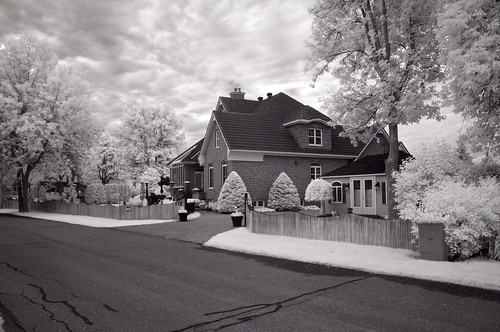
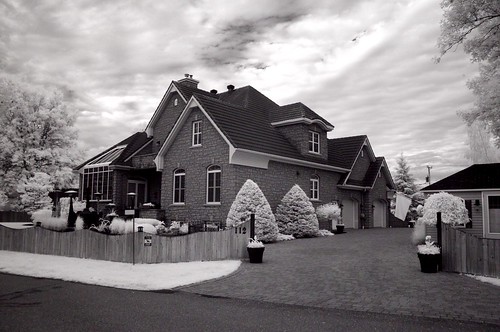
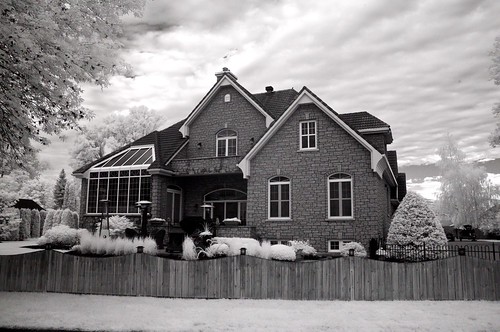
Along the rivers are houses that enjoy docks on the water, and that give full scope to Quebecois architectural styles. Consider this magnificent faux-château Trianon, and imagine the pride of its owners:
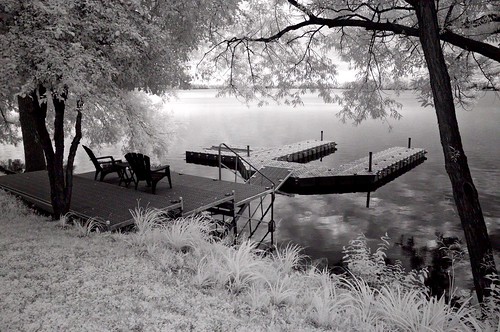
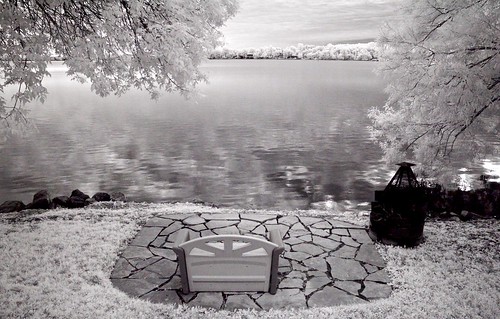
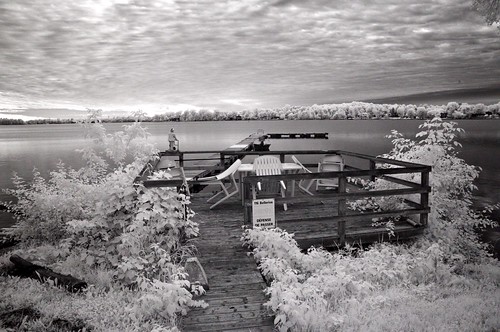
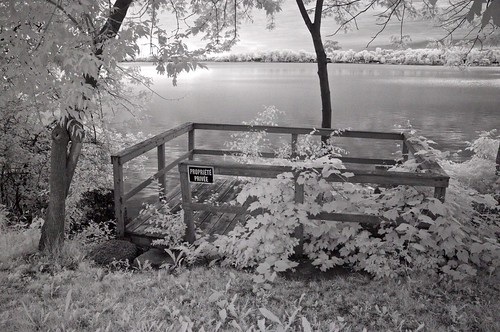
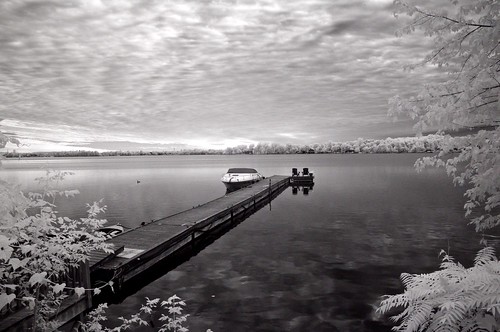
This house’s dock is middling-modest:

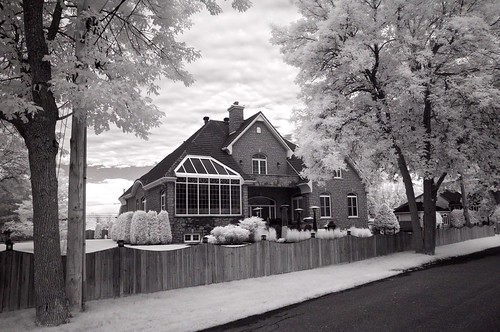
And other nearby neighbo[u]rs express themselves variously:
Two more Abandoned Ancestors galleries
An album from Thomaston ME, ca. 1880s-1890s
and
Graduating class, Lynn English High School 1929
There will be more of this sort of thing.