April 2026 general links
(continues March 2026 links)
Many of these seem to be bellwethers for what's on and just beyond the Horizon of the moment,
collected from the Incoming for their portentous savor, and illustrative of my engagement with serendipity)
The form factor I seem to gravitate toward is The Commonplace Book, a now-digital place to entomb snippets that seem at the moment of encounter to want saving, often as prime examples of some form or genre to which my attention has been drawn. Most offer temptingly yawning Rabbit Holes, and these collections of links form a sort of map of my wanderings and encounters.
1iv26
Materializiing Reverie Andy Ilachinski
Panning For Flecks of Gold Alan Levine
A worst-case scenario in a country without vaccines flowing data
Trumpismo vs minilateralism Cory Doctorow
...Before Trump, the deal was that everyone would pretend that we had a "rules-based international order" in which every country got a fair deal, even as America cheated like hell and sucked the world dry. It's really impossible to overstate how advantageous this was to America. By pretending to be a neutral interchange spot for transoceanic fiber cables, it got to spy on the world's internet trafficBy pretending to have a neutral currency, it got to exercise "dollar dominance" through which the nations of the world sent America the things they dug out of the ground or built in their factories, in exchange for America making small adjustments to a spreadsheet at the Federal Reserve. And by pretending its tech exports were neutral platforms, America got to raid the world's private data and bank accounts, spying and looting to its heart's content.
When Trump kicked off his campaign of incontinent belligerence – putting tariffs on the exports of countries populated only by penguins, trying to steal Greenland – it became impossible for the world's leaders to carry on this pretense. This led to Canadian Prime Minister Mark Carney — the world's most Davos man — standing up at this year's World Economic Forum to denounce the whole post-war settlement as a bullshit arrangement, announcing that we were in a period of "rupture" and promising a new world of "variable geometry" in which "middle powers" would exist in overlapping webs of alliances, without the USA
...For the past quarter-century, I've fought the US Trade Representative in various international fora, as the USTR piled all kinds of conditions America's trading partners that made it impossible to pursue any kind of technological sovereignty:
The new coalition
Every now and then, I think about how furious the USTR must be, watching Trump blunder through all the subtle traps they wove around the planet....Today, America's media and software industries are dying, and Trump is holding a pillow over their faces. He stole Tiktok and gave it to his buddy Larry Ellison, whose failson's acquisition and merger of two of the five remaining studios Trump also waved through

2iv26
Stones possess a kind of gravitas, something ultimate and unchanging, something that will never perish or else has already done so. They attract through intrinsic, infallible, immediate beauty, answerable to no one, necessarily perfect yet excluding the idea of perfection in order to exclude approximation, error, and excess. This spontaneous beauty thus precedes and goes beyond the actual notion of beauty, of which it is at once the promise and the foundation....
I speak about stones that have always lain outside or that sleep in their deposits, in veins, at night. They have not aroused the interest of the archeologist, nor the artist or the diamond merchant. No palace, statue, jewel, no dyke, embankment or tombstone was built from them. They are neither useful nor famous. Their facets decorate no ring or diadem. They do not bear lists of victories, or state laws, in indelible numerals. They are not boundary markers or steel, and do not earn credit or deference from bearing with bad weather. They only attest to their own presence.
...
I speak about stones as algebra, vertigo and order; stones as hymns and quincunxes; stones as stings and corollas, on the brink of dreams, catalyst and image. [...] As one speaks about flowers, leaving botany, gardening and flower arranging aside, still having a lot to discuss, so will I overlook mineralogy, ignoring the arts that give stones a purpose. I speak of bare stones - fascination and glory! - that both hide and yield up a mystery, slower, more immense and more profound than the fate of a short-lived species.
Goodhart's Law vs "prediction markets" Cory Doctorow
...Prediction markets aren't good at producing information, but they're amazing at producing corruption. Polymarket and Kalshi have at last realized the unhinged fantasy of "assassination markets" — where you stochastically murder someone by putting up huge wagers at favorable odds that your target will be killed. Anyone can collect the wager by putting up a small counterwager and then bumping off the victim. But, as Protos's Cas Piancey and Mark Toon note, Polymarket and Kalshi know what side their bread is buttered on — they have banned bets on Trump's death (Trump's sons are heavily invested in both Polymarket and Kalshi)
3iv26
Science Friday 9paywalled)
Higher education must bridge the AI gap Marie Lynn MirandaAI will no doubt reshape work across broad sectors of the global economy. What distinguishes this moment is not disruption alone, but the pace, scale, and portability of the technology itself. The technology is diffusing faster and more broadly than previous innovations, compressing the time that institutions have to respond. AI's unprecedented speed and scale create urgency around deliberately shaping its distribution. Society faces risks, but also a (narrow) window of opportunity to shape outcomes in a way that benefits everyone.As society adapts to AI, it has a chance to do better than with past revolutions. The greater risk is not that AI will eliminate jobs, but that its benefits will once again accrue unevenly. Here, higher education has an opportunity to get this right, ensuring that AI creates broad advantages across all divides—race, income, geography—that characterize the human experience.
Two years after it emerged, cow flu still baffles scientists Jon Cohen
...H5N1 continues to circulate on farms in California and Idaho, those states' agriculture departments told Science. Texas remains "affected" in USDA's latest update, even though it has not had a detection since May 2025, because it has not complied with the National Milk Testing Strategy's surveillance requirements. In other states the virus may simply have escaped detection.The first cases of H5N1 in dairy cattle were discovered in Texas in March 2024. The virus—a variant of H5N1 known as 2.3.4.4b—has been killing poultry and wild birds worldwide since 2020. It rarely kills cows but it thickens their milk, turns it yellow, and leads to steep drops in production.
..."It seems like there are a variety of different ways that the virus is transmitted," says epidemiologist Jason Lombard, a veterinarian who worked at USDA for 20 years and now is at Colorado State University. A growing number of scientists think the virus readily drifts on the wind from farm to farm and cow to cow. Contaminated waste milk fed to calves could infect them. One study found the virus in semen from a bull, another way cows might become infected. Even flies may transmit H5N1.
Scientists brace for expansion of Alzheimer's blood tests Jennie Erin Smith
For a person who may be in the early stages of Alzheimer's disease, getting a clear diagnosis is simpler than ever. Blood tests that detect biological changes linked to the disease are now considered reliable alternatives to brain imaging and invasive spinal fluid tests. And one biomarker, called phosphorylated tau 217 (p-tau217), has risen to the top. More accurate than other blood-based measures, p-tau217 is widely used in research, and the first commercial test was approved in the U.S. last year. Guidance from the influential Alzheimer's Association says a positive result in a patient with cognitive symptoms can justify starting therapy with antibody drugs recently approved for the disease."P-tau217 is the biomarker of the day," says Alzheimer's researcher Lon Schneider of the University of Southern California. But its success has sparked worries among some researchers and clinicians about inappropriate use of the test. Some doctors have begun to use it in people without confirmed symptoms, and telehealth companies peddle p-tau217 testing, for as little as a few hundred dollars, to anyone concerned about their memory. A positive result doesn't mean a person will develop cognitive impairment or dementia, Schneider and other researchers warn. And some fear the tests will be used to push people without symptoms toward pricey infusion drugs that they may not need.
...Some researchers consider it all but inevitable that positive p-tau217 alone will soon be used to start antiamyloid drugs. In an editorial in The Lancet Neurology in March, a group of Alzheimer's researchers— led by Eric Reiman of Banner Alzheimer's Institute, a principal investigator on the TRAILBLAZER-3 trial—wrote that p-tau217 "could be an accessible and cost-effective test to inform people who are cognitively unimpaired about their prognosis when prevention therapies become available." Although success isn't guaranteed, the authors acknowledged, "stakeholders must prepare ... and get health care systems ready."
Schneider, in a comment published alongside the editorial, cautioned that the push to prepare for presymptomatic testing rests on the unproven premise that antiamyloid drugs will work as hoped for prevention.
Is a heralded U.S. effort to help the world battle HIV facing extinction? Jon Cohen re: PEPFAR
...PEPFAR, one of the most celebrated global health efforts by any government, was already reeling after President Donald Trump's administration last year eliminated the U.S. Agency for International Development (USAID), the program's main implementing agency. Now, the Centers for Disease Control and Prevention (CDC), its new lead implementer, appears poised to run out of PEPFAR funds. Although the program typically has all of its annual budget by now to ensure operations for the fiscal year, the Department of State, which oversees PEPFAR, has only transferred to CDC about half of the funding Congress had approved....As part of what the Trump administration calls an America First Global Health Strategy, it changed how countries receive PEPFAR funds. In the past, USAID and other U.S. agencies negotiated annual PEPFAR plans in conjunction with countries and NGOs. Instead, Rubio's State Department asked each country to submit a memorandum of understanding (MOU) that spelled out its HIV needs, domestic spending on the epidemic, and a 5-year plan to phase out its dependence on the program. Many countries have reportedly submitted their implementation plans, but the State Department has not made any of them public, and many who follow the process closely doubt any are approved.
...The State Department so far has only transferred about $640 million of PEPFAR's funds—about half this year's budget—to CDC, and sources say it has told CDC to use reserve funds to sustain the program through 30 June. Worries are growing inside and outside CDC that the agency will never see the rest of the approved PEPFAR money. Seung says "it's ridiculous" to think money will start flowing to countries soon. "We're not even close to that."
Cosmic illusions Daniel Clery
Sherry Suyu can't wait for the Sun to get out of the way. Sometime after June, when Earth's turn around the Sun brings a distant galaxy into view, she expects to see a giant star explode at the end of its life. Supernovae usually don't send out invitations in advance. But this one, called SN Requiem, has already gone off three times before. Suyu, a cosmologist at the Max Planck Institute for Astrophysics, predicts it will detonate yet again—as if the star is refusing to stay dead.It's an illusion. The star exploded just once, but its death is replayed through the magic of gravitational lensing. A huge cluster of galaxies sits between the shattered star and Earth, and its potent gravity is bending the supernova's light, forcing it to follow different paths with different travel times. As a result, the flash of the explosion appears repeatedly, at different locations and times.
...The Hubble constant is a key measure of a universe in which everything is flying apart, floating on a sea of expanding space. It is the number that implies the universe was born in a Big Bang, and its reciprocal gives the age of the universe, about 13.8 billion years.
...FOR NEARLY A CENTURY —ever since Edwin Hubble in 1929 offered his first assessment—astronomers have calculated the Hubble constant by working outward from the Milky Way. The easy part is measuring speed, by gauging the shift of an object's light toward the red end of the spectrum. Far more difficult are distances, which require "standard candles" objects in distant galaxies that pulse or flash in a way that reliably encodes how far away they are. Astronomers have found enough of these beacons to measure the Hubble constant out to about 1 billion lightyears, settling on a value of about 73 kilometers per second per megaparsec. (One parsec is 3.26 light-years.)
More recently, cosmologists have gone after the Hubble constant in the opposite direction, from the edge of the observable universe inward. They start with the snapshot of the infant universe preserved in the cosmic microwave background (CMB)—the afterglow of the Big Bang. Ripples in the CMB, created by sound waves coursing through the newborn universe, offer a "standard yardstick" with which to calculate the Hubble constant at that primordial moment.
To adjust that value to the present day, however, two other factors must be accounted for. One is dark matter, the as-yet-unidentified stuff whose gravity slows down the outward spread of the galaxies. The other is dark energy, a repulsive force that is accelerating the expansion of space itself. Baking in those assumptions, the cosmologists say the Hubble constant should now be about 67.
...Today, astronomers have found dozens of lensed quasars by spotting their twin images, close together in the sky. But using them to calculate the Hubble constant isn't easy, says astrophysicist Tommaso Treu of UC Los Angeles. One problem is that quasar light is noisy, making it hard to recognize a specific flare-up when it reappears later in a different image.
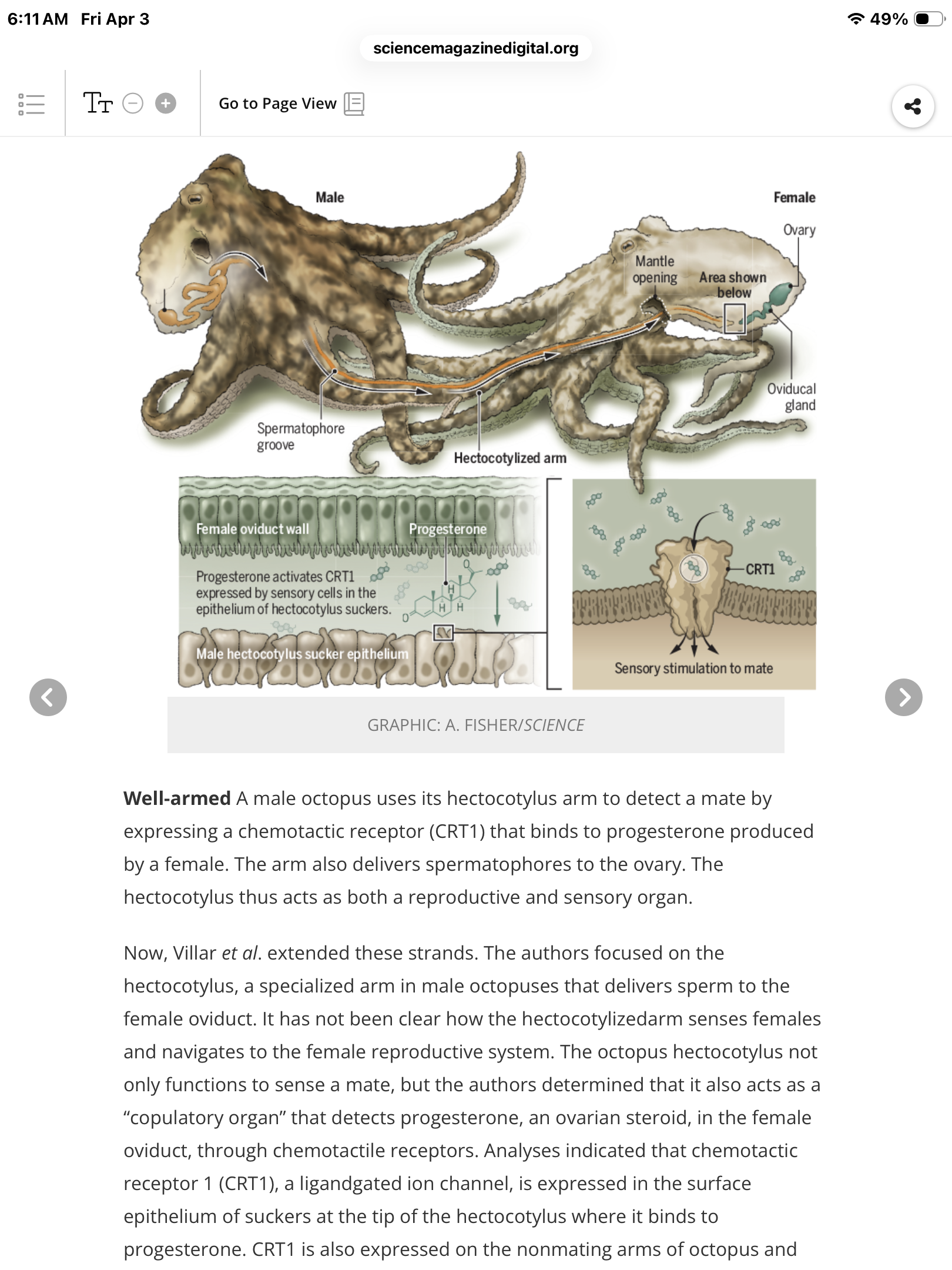
To mate or predate? Anna Di Cosmo
...Life begins with chemistry. Long before visual displays or acoustic courtship signals evolved, organisms detected one another through molecules. Across animals, reproductive decisions are governed by chemical signals and the receptors that interpret them (1-4). Because speciation is defined by reductions in gene flow between populations (5), identifying the mechanisms that bias mate recognition is central to understanding how species boundaries arise. On page 96 of this issue, Villar et al. (6) report that octopuses use the same sensory system involving contact-dependent chemosensation for both predation and mate recognition and identify progesterone as the key mating signal....Vertebrates illustrate how chemical detection interfaces with neuroendocrine regulation. Olfactory and vomeronasal neuronal pathways in mammals, for example, detect peptide and steroid cues and project signals to hypothalamic circuits that regulate reproductive behavior (10, 11). The hypothalamus controls availability of neuropeptides, such as gonadotropin-releasing hormone, oxytocin, and vasopressin, that coordinate sexual motivation and partner preference, whereas systemic steroids provide feedback (10-12). Variation in receptor repertoires and ligand production can influence mate recognition and mating patterns, potentially contributing to reproductive isolation (11).
For invertebrates, cephalopods provide an independent evolutionary solution to linking chemical perception with reproduction. Octopuses possess extensive chemotactile receptor families distributed across its arm suckers, enabling contact-dependent detection of poorly soluble environmental molecules (13). This reflects adaptation to marine chemical landscapes. Studies on the neurophysiological basis of mating behavior identified sex steroids and their receptors, progesterone, estradiol responsiveness, and neuropeptide regulators within Octopus vulgaris reproductive circuits (14, 15), suggesting that hormonal state and sensory input are tightly integrated.
Cured by blood M. R. Antognazza1 and G. Lanzani
Synthetic materials and devices can modulate electrical activity and chemical reactions that sustain biological functions in living organisms. They allow neuroprosthetics to control neural activity and treat neurodegenerative disorder (1, 2) and can regulate heart activity for cardiovascular disease management (3). Conductive polymers—macromolecules with a chain of alternating single and double carbon bonds—exhibit properties essential for interfacing with biological systems. They have improved biocompatibility compared with metals and inorganic semiconductors, tunable optical, and electrochemical properties and can simultaneously transport ions and electrons.
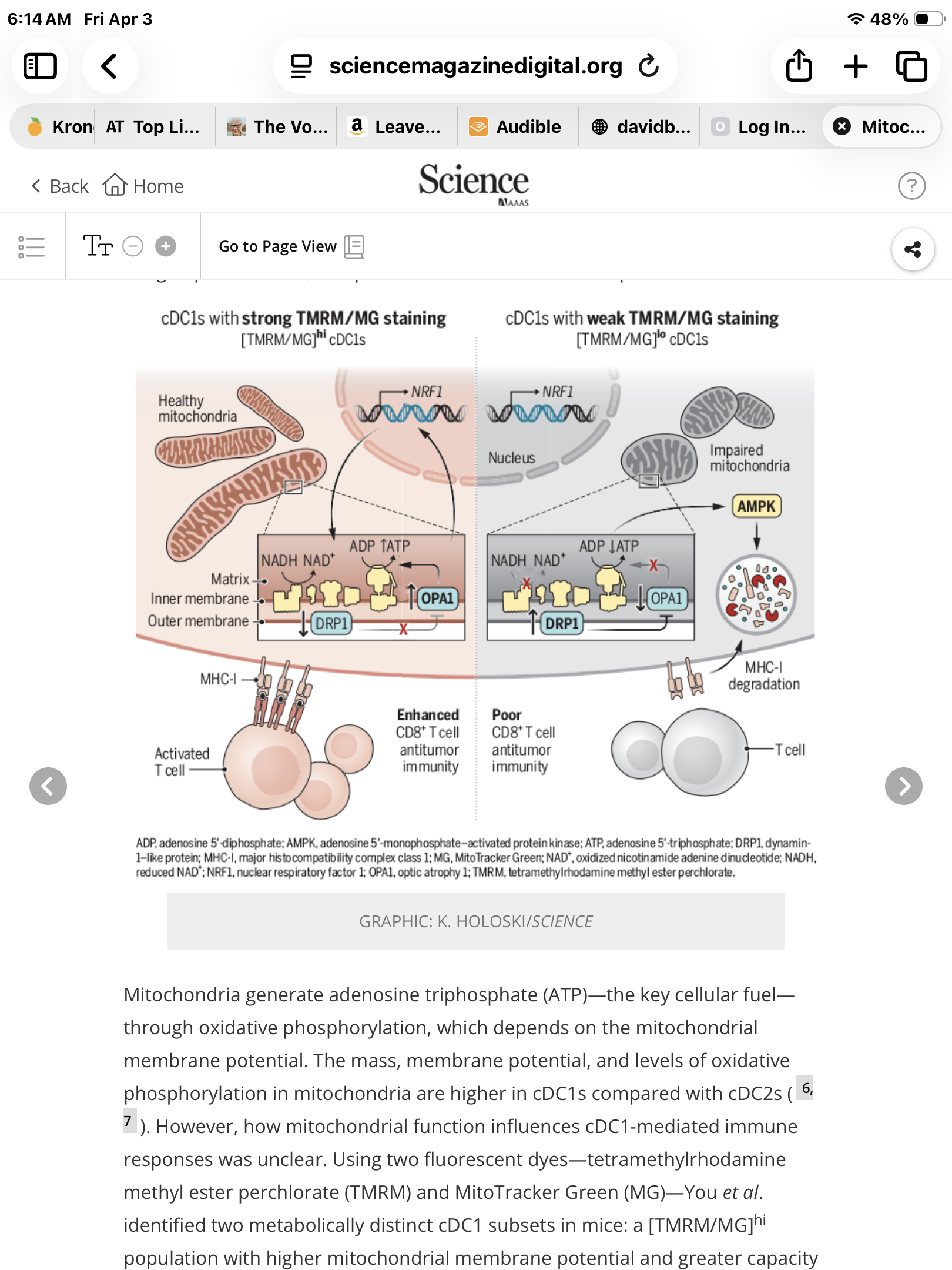
Mitochondrial genomes on a string of pearls Jelle van den Ameele and Julien Prudent
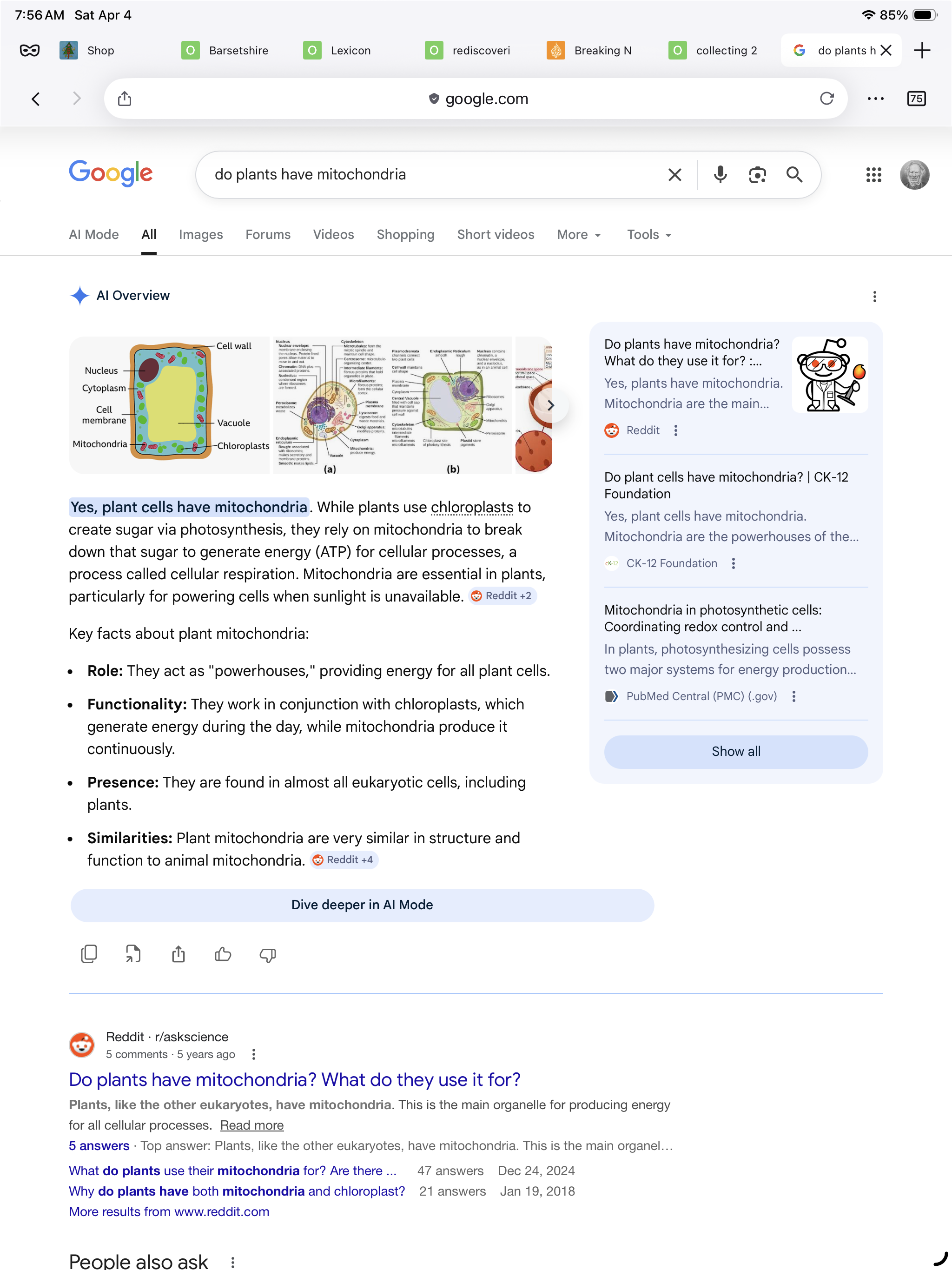
Mitochondria are small, dynamic subcellular structures involved in many physiological functions, including energy production. They stand out among eukaryotic organelles because they have their own genome, a souvenir of their bacterial origin that remains essential for cellular energy metabolism. Mitochondrial DNA (mtDNA) is present in hundreds to thousands of copies per cell, assembled into nucleoprotein complexes called nucleoids. Nucleoids undergo continuous replication and turnover, are distributed regularly along the mitochondrial network, and usually contain only one or two mtDNA molecules...A defining feature of biological systems is compartmentalization, which separates specialized processes in space and time and increases reaction efficiency. This organization needs to be balanced with the passive pressure of diffusion and the need for dispersion to exchange contents between compartments. Mitochondria are prime examples: Their double membrane separates biochemical reactions occurring in their inner space, the matrix, from the rest of the cell, whereas invaginations of the inner membrane, so-called "cristae," divide the matrix and intermembrane space into semi-independent bioenergetic subcompartments
...Elongated tubular membranes under tension can undergo periodic constrictions, producing a beads-on-a-string morphology that represents a bioenergetically favorable state. This deformation is analogous to Rayleigh-Plateau instability, a phenomenon of fluid dynamics in which a cylindrical column of fluid breaks into droplets to minimize surface tension. The beads-on-a-string phenotype has been observed in the plasma membrane of cells and in membrane-bound organelles, such as the endoplasmic reticulum, and is referred to as "pearling"
The new stakes of space exploration Jaime Herndon (review of David Ariosto's Open Space)
...As US funding for science has become shakier and subject to partisan agendas, China is investing heavily in many areas, including space exploration. But being first in the new space race is about more than science supremacy. It is, Ariosto writes, "reflective of a broader evolutionary contest over who builds the systems, sets the rules, shapes the markets, and ultimately claims the rewards in this next era of human advancement." Or, as he puts it more bluntly a page later, "whoever dominates space will also be poised to oversee our lives here on Earth."Longevity is everywhere you look. Outstanding scientists such as Eric Topol and Ezekiel Emanuel are on the bookshelves and in the news telling us how changing our diet, sleep, and exercise regimen can improve not just our lifespan but also our "healthspan—how long we live in good health (1, 2). Meanwhile, dubious advice has come from people such as Peter Attia, who has sold nearly 3 million copies of a book advocating eating nearly undigestible amounts of protein (3), and from influencers selling supplements and "peptides" (4). At the same time, health hacks have become associated with the "tech bro culture of Silicon Valley, where billionaires including Jeff Bezos and Sam Altman are pouring fortunes into the search for longevity—presumably their own (5).On this backdrop, biologist and playwright David Glass has written Spare Parts, a captivating and timely story of a billionaire named Zeit Smith, played by Michael Genet, who has made his fortune launching satellites that provide "free" internet (as long as you are willing to watch a few ads and give up your data). Smith wants to live forever and has entrusted his young assistant, Ivan Shelley, played by Jonny-James Kajoba, with finding researchers in New York who can hack his lifespan. In comes Columbia University Professor Chris Coffey, played by Broadway veteran Rob McClure, and his earnest graduate student, Jeffrey Jordan, played by actor and reallife geneticist Matt Walker.
Cumulative pressures threaten the Red Sea Adoubi Vincent De Paul Adombi and Zaher Mundher Yaseen
The Red Sea is a semi-enclosed marine basin of exceptional ecological value, supporting coral reefs, mangroves, and seagrass meadows that underpin biodiversity, fisheries, and coastal protection (1). However, the very physical characteristics that contribute to its ecological distinctiveness—restricted circulation and limited water exchange—also increase the persistence of local stressors. Rapid coastal development across the basin further intensifies these pressures, and basin-wide environmental assessments remain uneven and fragmentedWhere data exist, they reveal a consistent signal of widespread anthropogenic contamination in the Red Sea. Sediment microplastic concentrations span more than an order of magnitude, from 23.3 +/- 15.3 to 930.0 +/- 181.9 microplastics per kilogram dry weight, including in areas often perceived as remote
...Nutrient enrichment, habitat modification, intensive shipping, and hydrocarbon pollution co-occur across the basin (7). In a semi-enclosed system, their persistence and interactions amplify cumulative ecological impacts, progressively eroding ecosystem resilience (8). Evidence from coral reefs, mangroves, and pelagic systems indicates that cumulative pressures, rather than single stressors, increasingly define ecological trajectories in the Red Sea
Support Iran's diaspora scholars Shayan Mohammadmoradi, Letter
...Diaspora students and scholars report chronic hypervigilance, sleep disruption, and persistent anxiety while monitoring loved ones' safety (4). Sustained trauma-related stress, compounded by relentless digital exposure to traumatizing media (5), erodes academic performance and well-being. Diaspora students and scholars may also self-censor, avoid public engagement, or fear that professional activity could endanger relatives back homeHealing in a bubble Physical gas entrapment can be a platform for therapeutic gas delivery James D Byrne
...Gases—whether inhaled, topically administered, or eaten in foams or fun edible popping candy—can be therapeutic and may represent a new avenue to treat or prevent diseases....my laboratory has adapted pressurized vessels (ranging from syringes to food-grade whipping siphons and high-pressure stirring reactors; see the figure) to create a class of substances called gasentrapping materials (GEMs) (2-9). These materials are elegant in their simplicity and inexpensive. Moreover, they use components that the US Food and Drug Administration has deemed "generally recognized as safe" and that are commonly found in processed foods and pharmaceutical tablets
GEMs can be synthesized as foams, hydrogels, and solid matrices (2). A major benefit of this versatility of format is that it translates to versatility in application. Foams can be used for quick, localized delivery of therapeutic gases; durable hydrogels can be used to provide sustained release over extended periods; and solid matrices can be used in targeted therapies when engineered to release their contents in response to specific environmental conditions (e.g., humidity in the tumor environment). Essentially, GEMs are a platform technology that can be adapted to address clinical challenges.
...although our study focused on delivery by intrarectal placement...
...To facilitate translation of our findings, we have filed multiple patent applications and have established the company GEM Biosciences, Inc., for which we have garnered a first seed investment of $100,000. This start-up company will develop clinical-grade GEMs to both bridge the gap between research and clinical application and ensure that these innovative treatments reach the patients who need them.
The Strait of Hormuz is not closed. It is sorted via Adam Tooze
Iran has built a three-tier access system for the most important waterway on earth. Tier one: allies transit free. Malaysia cleared seven vessels through diplomacy at zero cost. India negotiated zero-fee passage. Pakistan secured clearance for 20 ships. Iraq transits without charge. These countries proved geopolitical alignment and the IRGC waved them through the Larak corridor without collecting a rial. Tier two: compliant neutrals pay. At least two tankers, likely Chinese-linked, paid up to two million dollars each in yuan through Kunlun Bank intermediaries. COSCO container ships attempted the corridor, were turned back on first approach when documentation was incomplete, then succeeded days later with revised paperwork.These are the vessels that prove the system works. They submit IMO numbers, ownership chains, cargo manifests, and crew lists to the IRGC's Hormozgan Command. They receive clearance codes. They are escorted by pilot boats through the five-nautical-mile channel between Qeshm and Larak. They pay in a currency that does not route through SWIFT. Every successful yuan transit is a live proof-of-concept for non-dollar energy settlement. Tier three: adversaries are denied entirely. The committee plan bans American vessels, Israeli vessels, and vessels from any country participating in sanctions against Iran. These ships do not get vetting. They do not get codes. They do not get escorts. They get the AL SALMI, burning off Dubai, as illustration of what the corridor looks like without permission. But the toll is not the real cost.
War-risk insurance is. Premiums have surged from $40,000 per VLCC transit before the war to $600,000 to $1.2 million today, a 30-fold increase, now running five to ten percent of hull value. A VLCC carrying $50 million in crude oil can absorb a combined $3 million in toll and insurance as a fraction of cargo value. A container ship carrying $5 million in manufactured goods cannot. The insurance premium alone exceeds the profit margin on non-oil cargo. The strait has become an oil-only VIP lane. Crude flows selectively for those who can pay the combined cost. Everything else waits, reroutes around the Cape of Good Hope, or does not move at all. ... One hundred and eighty-one vessels transited in all of March. Pre-war traffic was 138 per day. Of those 181, roughly 70 percent were Iranian-affiliated. The remaining 30 percent were vetted allies or yuan-paying neutrals. The 20 percent of global oil that once flowed freely through this strait now flows selectively, conditionally, and in currencies chosen by Tehran.
Hormuz, War, and the Survival of Iran: Interview with Historian Rudi Matthee Fariba Amini at Informed Comment
...For as long as we know, Hormuz, a tiny island at the narrowest point of the Persian Gulf, has been commercially significant. In the 15th century it was a thriving trade emporium between the lands lining the Persian Gulf and the Indian Subcontinent. That is why the Portuguese established control over it in the early 16th century. The Safavids, the first dynasty interested in the Persian Gulf since antiquity, in 1622 took Hormuz from the Portuguese with naval assistance of the English East India Company. Shah Abbas, the Safavid ruler at the time, transferred trade to the mainland by creating a port, Bandar Abbas, thus ending the isle's commercial efflorescence. Yet the strait of Hormuz remained important as a passageway to the Arabian Sea and the Indian Ocean. Of course, only the discovery and exploration of oil in the region in the early 20th century, lent the waterway true global importance. The rivalry between Iran and the Arab world over jurisdiction and even its name—Persian Gulf v. Arabian Gulf—is also far more recent than commonly thought. Until modern times, the mostly Turkic Iranian regimes, whose roots lay in Central Asia and the Caucasus, were hardly familiar with or interested in, the sea.
Blowback 2026: The Price of Empire and War on Iran Tomdispatch
What will the costs of the latest round of illegal, ill-fated U.S. military adventurism in the Middle East amount to? Some of the toll is already clear. Washington has squandered billions of dollars on a reckless war of aggression against Iran. A merciless campaign of aerial bombardment has driven millions from their homes. American and Israeli airstrikes have rained destruction on 10,000 civilian sites and already killed more than 3,000 people in Iran and Lebanon. Among the dead are more than 200 children, many killed in a U.S. strike on a girls' school, a war crime that evokes the grim precedent of such past American atrocities as the 1968 My Lai massacre in Vietnam or the 1991 Amiriyah shelter bombing in Iraq.The latest war has also dealt a potentially fatal blow to our already battered democratic institutions. It's a war neither authorized by Congress nor supported by the public. Instead, it was launched by a president who refuses to submit to the law or heed the will of the people, claiming in true authoritarian fashion that he is the law, and that he alone embodies the popular will.
...The costs associated with this latest criminal war, measured in human lives; the misappropriation of national resources; and the erosion of the rule of law will only continue to mount. Yet there is also a less visible, less immediate price tag for such wars. If the history of American interventions in the region offers any guide, the full bill will likely not become apparent for months, years, or even decades. When it finally arrives, however, it will carry a familiar name: blowback.
4iv26
mtDNA
Haplogroup U8a1a in Central Asia Victor Mair at Languuage Log
Human mitochondrial DNA haplogroup Wikipedia
Distribution maps of mitochondrial haplogroups in Europe, the Middle East and North Africa eupedia.com
https://www.sciencedirect.com/topics/biochemistry-genetics-and-molecular-biology/mitochondrial-haplogroup ScienceDirect.com
Characterization of mitochondrial haplogroups in a large population-based sample from the United States Sabrina L Mitchell et al. Human Genetics (2014)
Mitochondrial DNA haplogroup, genetic ancestry, and susceptibility to Ewing sarcoma Kriistiyana Kaneva et al. Mitochondrion (2022)
...The mitochondrial genome is present in hundreds to thousands of copies in each human cell and inherited only from the mother (Aryaman et al., 2019). Human mitochondrial DNAs (mtDNAs) have acquired many mutations that segregated during the evolution and dispersal of modern human populations (Wallace, 2015). Different sets of these mutations can be used to classify mtDNAs into haplogroups, or maternal lineages, reflecting their genealogical or phylogenetic relationships to each other.Mitochondrial Eve Wikipedia
The myth of Eve: molecular biology and human origins F J Ayala Science (1995)
Talking with Lina Khan Paul Krugman
...the Amazon paper similarly resulted from doing a lot of business and market research. I spent a lot of time talking to two sets of market participants. One was the set of businesses that were selling through Amazon, and the second was investors and financial analysts that were looking at Amazon more through a long-term financial prism. And this was around 2012, 2013. The kind of common policy wisdom in DC was that Amazon, along with these tech giants, you know, had revolutionized digital markets, that Amazon in particular was, you know, somewhat irrational. It kept losing money, it seemed to be, you know, relentlessly dedicated to making things cheap. And so the idea that Amazon could ever pose some kind of competition problem didn't really compute for people, because we had come to interpret our antitrust laws primarily through the prism of what the effect on short-term prices would be. And so I ended up using a lot of that research to basically use Amazon to tell a broader story about how various changes in how we now do antitrust had created all sorts of blind spots. You know, some of the core business practices that Amazon used to develop its network, to deepen its moat were business practices that in the ‘60s or ‘70s would've been viewed pretty skeptically by law enforcers. But because of this intellectual revolution that had been, you know, spurred by people like Robert Bork, by people kind of generally known as the Chicago School, that we were now oftentimes facilitating the very types of concentrations of power that these laws were supposed to be skeptical of. And so the article was about Amazon and about Amazon's business practices, but it was really using the company to tell a deeper story about blind spots that I thought the current antitrust regime had....the piece came out in January or February of 2017, and then that summer, Amazon announced it was planning to buy Whole Foods. And I remember that was one of the first moments where the response to one of these big acquisitions seemed a little different, because it seemed to prompt this question for the public of, are there any limits, and what are those principles?
And so I remember that acquisition ended up spurring a lot of discussion in particular.
Krugman Yeah, I mean, what strikes me is that the idea that companies that have established these kind of network positions, these kind of centrality and everybody has to use them, that they would abuse that, seemed, you know, not many people were saying that 10 years ago. And nowadays it's everywhere. It's, I mean, the word of the year I guess like three years ago was Cory Doctorow's enshittification, which was basically largely about Amazon and Facebook and all of these companies abusing their sort of central position in markets. And do you feel vindicated by all of that?
Khan You know, it's good that there's been collective learning about, you know, the challenges that these firms can pose, you know, resulting in major lawsuits being filed. You know, Google has now been found to be an illegal monopoly, you know, three times over in separate cases. The case against Amazon is still proceeding. So yeah, I mean, you know, I do think that there's been a greater awareness of how these markets in particular can be prone to monopolization, right?
...think one of, the big shift was that in the early 2000s, there was a view that to set up one of these companies, all you need is, you know, a couple of high school dropouts in a garage with a good idea. And that the entry costs were very low, and that, if anything, the government should err on the side of inaction because these markets were so fast-moving, so dynamic that we didn't want these, you know, arrogant government officials to start meddling. And so there was a, you know, almost a deliberate policy choice to err on the side of inaction from an antitrust and competition perspective. And I think, you know, fast forward even a decade from that time, there was a much greater recognition that actually there's something about how these digital markets work, this concept of network effects, the ways that data advantages kind of reinforce themselves, that maybe these markets are even more prone to monopolization rather than less. And so maybe there should be more action and more scrutiny earlier. And so I think there was an inversion of some of those prior assumptions. – Krugman Yeah, for people in the audience, network effects here really means that there's a lot of these companies' services that everybody uses, because everybody uses them, right? There's a sort of circularity. I mean, you know, as many of us know, it's really, really hard not to buy from Amazon now, and this is true of a lot of these companies. And you were talking about that quite early as a risk at a time when people were mostly praising it.
...the FTC is by all accounts a pretty small agency. At its peak when I was there, it was around 1400 employees. And so we had to be extraordinarily focused on prioritization, and, you know, every investigation you're doing is another investigation you're not doing. So there were several factors that we looked at, one of which was just how significant is this industry for people's day-to-day lives? And something that rose to the top of course was healthcare, where across different parts of the healthcare supply chain, we have similarly seen a lot of consolidation, be it among hospitals, be it among pharmacies, be it among these middlemen known as pharmacy benefit managers. And in healthcare in particular, we've seen not only horizontal consolidation, but also vertical integration. So the same player that is the health insurer is also owning the pharmacy, is also owning the pharmacy benefit manager. We'd also seen trends such as private equity coming in and rolling up different physician practices and then jacking up prices. And, you know, week after week, month after month, we would hear from Americans about just how devastating this was for their day-to-day lives. I mean, we would routinely hear from people about how they were having to ration lifesaving medicines, skip doses of lifesaving medicines, people who had had family members pass away because they didn't wanna, you know, use up all their insulin because it was so expensive. And so the kind of stakes here are literally life or death. And so we spent a lot of time focused on healthcare markets. That included things like whenever pharmaceutical companies were trying to merge or buy one another, we would be especially vigilant to make sure that these mergers were not gonna be used to snuff out new innovative drugs that actually would have brought down prices.
...there were some of those, there were some sort of scandalous acquisitions and then exploitations involving drugs. I'm trying to remember now. I'm sure you know better than me. But there were some really drastic cases that made headlines. And did you feel that you made headway on those?
Khan Yeah, I mean, you know, one of the most notorious was Martin Shkreli, AKA Pharma Bro, who, you know, bought up a drug and jacked up the price thousands of percent. And you know, that was a case that the FTC litigated, the FTC won, and then also secured a lifetime ban for Martin Shkreli, where he is not allowed to be in the pharma industry anymore. There's some other cases that are still ongoing in healthcare, but we did successfully stop hospital mergers across the country. There's a lot of evidence that when hospitals merge, prices and costs tend to go up and quality tends to go down. We've also seen the rise of healthcare deserts across the country, where, you know, people are gonna have to drive, you know, over 100 miles to get to the nearest hospital as opposed to 10 miles. And so, you know, there's a lot more work to be done there, but there was some progress.
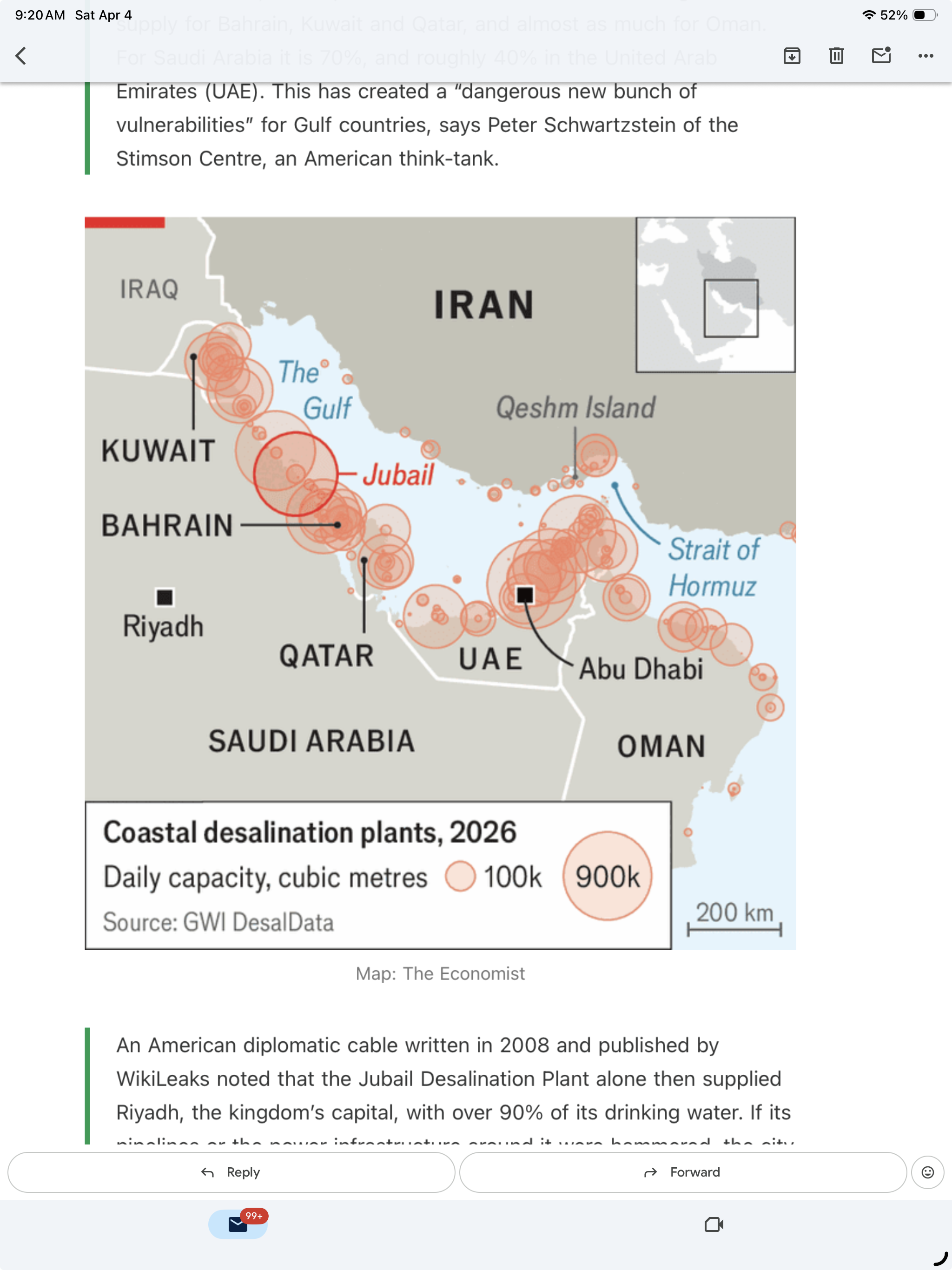
via Tooze:
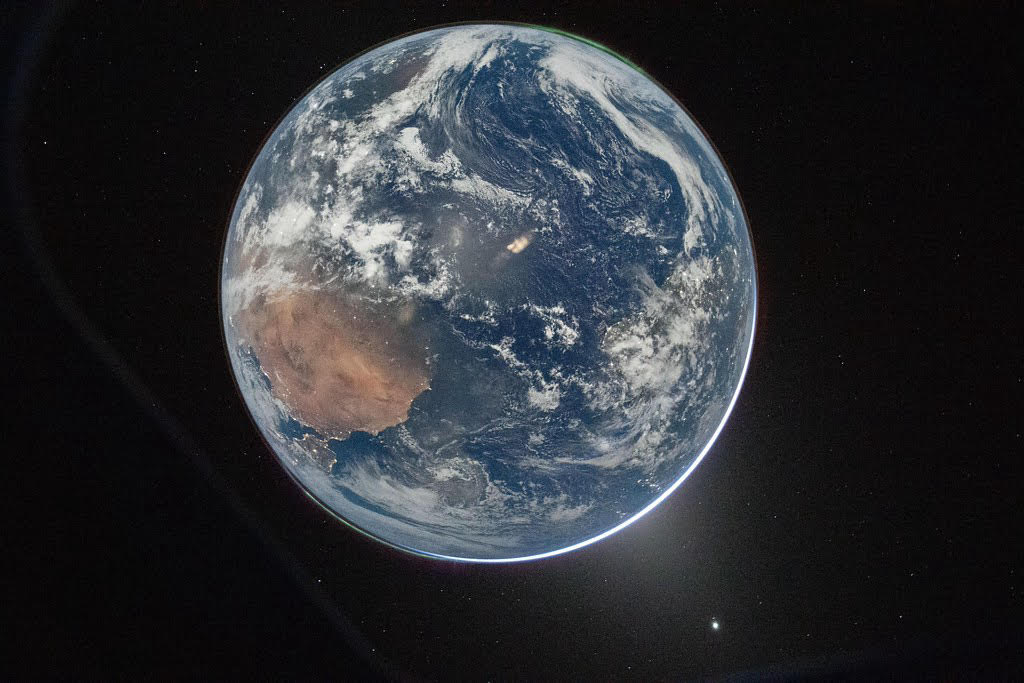
...An American diplomatic cable written in 2008 and published by WikiLeaks noted that the Jubail Desalination Plant alone then supplied Riyadh, the kingdom's capital, with over 90% of its drinking water. If its pipelines or the power infrastructure around it were hammered, the city would have to be evacuated within a week. If that were to happen, the memo concluded, "the current structure of the Saudi government could not exist". Since 2006 the Gulf states have spent around $53bn to offset this risk. Saudi Arabia now gets roughly 40% of its desalinated water from smaller facilities that are more spread out. Abu Dhabi and Qatar are building up strategic reserves. Thanks to these investments, most Gulf countries have a modicum of protection. Even if Iran did hit the plants, in most countries some drinking water would continue to flow. But huge gaps remain. Most of the Gulf's desalinated water comes from a small number of plants. Storage is patchy: the UAE aims to have reserves equivalent to just two days of normal consumption by 2036, which could be stretched to around a month by strict rationing. Smaller states like Bahrain are even more exposed.Source: The Economist
Is This the Most Bizarre Depiction of Human Vice Ever Made? Christopher P Jones at Medium
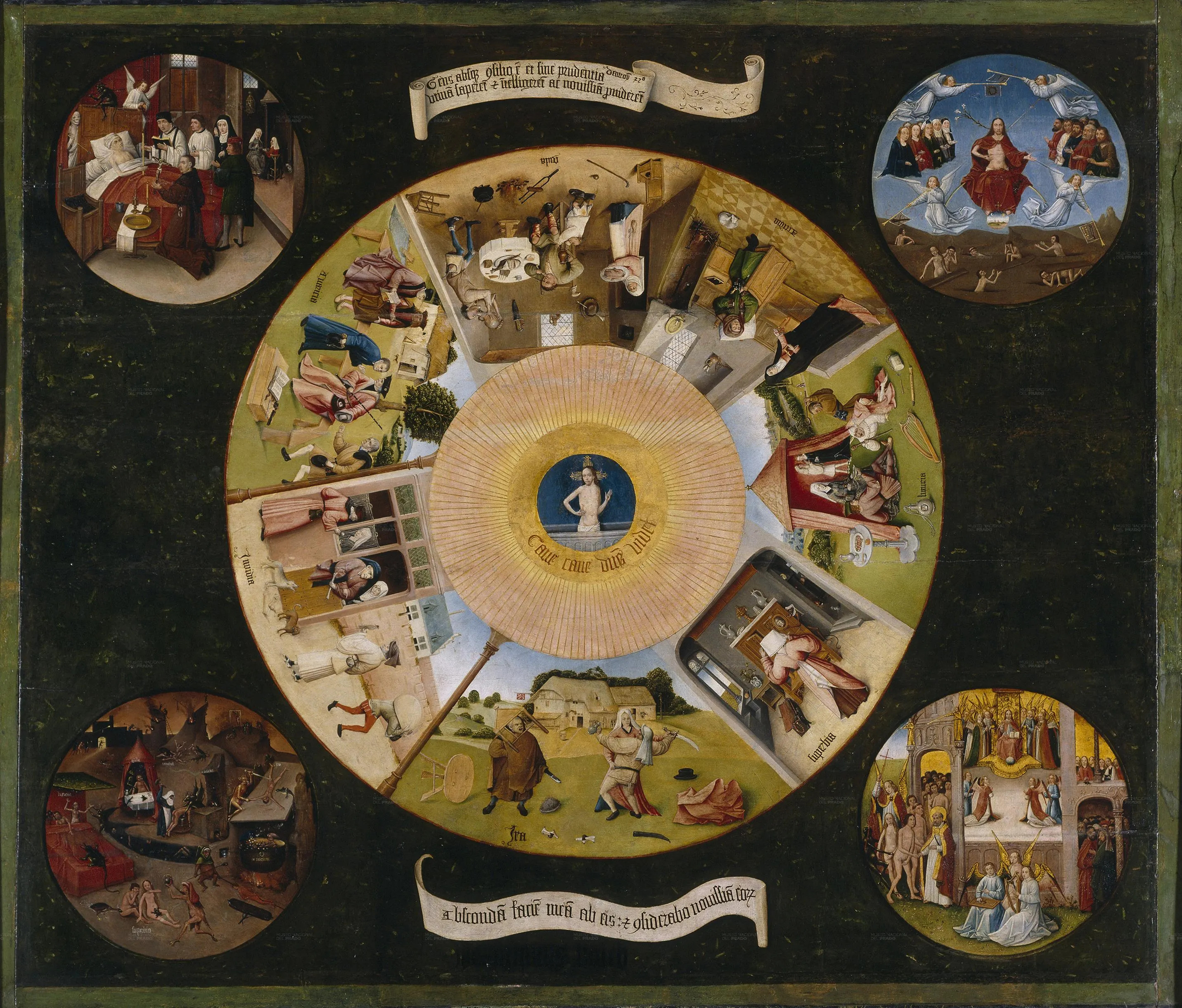
Wherever You Think There Is Nothing Marginalian
We spend our lives searching for portals to the possible. They are rarely gates swung open for us by some great hand. Often, they are where we least expect them — in the chance encounter, in the small unconscious choice, at an inconvenient moment, in a quiet corner of the quotidian. Oftener still, they are the cracks where we have broken — broken the story, broken the ego, broken the pattern. If we are attentive enough and present enough, the shy light of curiosity is enough to begin widening these openings enough to glimpse the other side, to believe there is an other side. Courage is a species of curiosity, bravery a species of belief. The hand through the crevice. The foot across the threshold. And suddenly, where there was nothing, there is something — that first opening into the possibility of everything.
5iv26
The Anti-Tech Canon: 30 Books Ted Gioia
The Anti-Tech Canon: 30 Books (Somewhat appalled by how few I've read)The Anti-Tech Canon: 30 Books My reading list for reviving human values in today's digital desert and liberating yourself from tech overreach...Here are 30 books from outside the Silicon Valley echo chamber. They critique tech from a humanistic standpoint.
The goal here isn't destroying or denouncing technology. We just want to put it to good use—for the benefit of its users. These works are the best guides I've found for achieving this.
200,000 Rivers Run Through It maps mania
The U.S. Geological Survey (USGS) has published a fascinating visualization exploring the language of rivers in the United States — a map that doesn't just show waterways, but the words we use to describe them. Their Map that Glows with the Vocabulary of Water reveals how terms like arroyo, bayou, creek, and marsh are not randomly distributed, but instead cluster in ways that reflect the geography and climate of the United States.
How to Read the Great Books in 52 Weeks Ted Gioia
Trump's Bizarre Iran Speech Horrified the World Informed Comment
The Brain is a Metaphor Matthew at Medium
...Unlike Tommy I am ill-qualified to comment on the neuroscience of McGilchrist's hugely ambitious theory of everything, nor on what the general neuroscience community thinks of McGilchrist. However unlike Tommy (I'm presuming) I happen to have read both volumes of McGilchrist's immense book The Matter with Things, both of which are the size of a substantial textbook, and if I may say, I think Tommy sells him a little short. The book is vastly researched and draws on a huge amount of neuroscience literature and studies of conditions such as autism and schizophrenia, not to mention engaging with an absurdly vast realm of philosophy, and even if McGilchrist is ultimately over-egging the relationship of the hemispheres, which my impression is that he may well be, he is certainly not doing so lazily.Yet there is something strange you might observe about McGilchrist's work. Let's say that tomorrow everything he claimed about hemisphere specialisation was shown to be completely false. It's interesting to consider that everything else that he argues would, if you accept it, still be true. In other words, as far as his argument goes, his claims are at the very least 'metaphorically' true either way. If there are ways of thinking or attending to the world that can blind us, and if narrow focus should be subordinated to an integrated picture, then his idea works either way as an analogy.
This raises a strange question about what neuroscience can actually help us know about ourselves. Since McGilchrist offers no claim about how the apparent change of hemispheric control comes about, and since it seems his belief about the cause seems to exist in the things he bemoans rather than in some pathology of the brain itself, you could argue the neuroscience is strangely, well, irrelevant. He doesn't even need it to make any of the arguments he makes in order to make his points about what he believes we have lost or the ways we have blinded ourselves.
...It's interesting then to apply McGilchrist's theory to his theory itself. Critics have pointed out that one of the things he bemoans is materialism and reductionism, yet a theory based entirely on the functioning of the brain to explain all of the modern ills is oddly, well, reductionist. Yet I don't think this is so. From McGilchrist's perspective it seems that there is a distinction between what you might call the map and the territory. Brain science can help us think about thinking not because it's what is 'really' going on in a way that robs the brain of the mind but because it offers us way of better understanding our own phenomenological position, here, where it is really going on. To deny reductionism doesn't mean to deny the obvious fact that you are your brain, after all, McGilchrist bases large amounts of his argument on evidence drawn from things that can go very wrong with a person's thinking as a result of something going wrong with the brain.
The Waste Land TS Eliot
...Sweet Thames, run softly, till I end my song.
The river bears no empty bottles, sandwich papers,
Silk handkerchiefs, cardboard boxes, cigarette ends
Or other testimony of summer nights. The nymphs are departed.
And their friends, the loitering heirs of City directors;
Departed, have left no addresses.
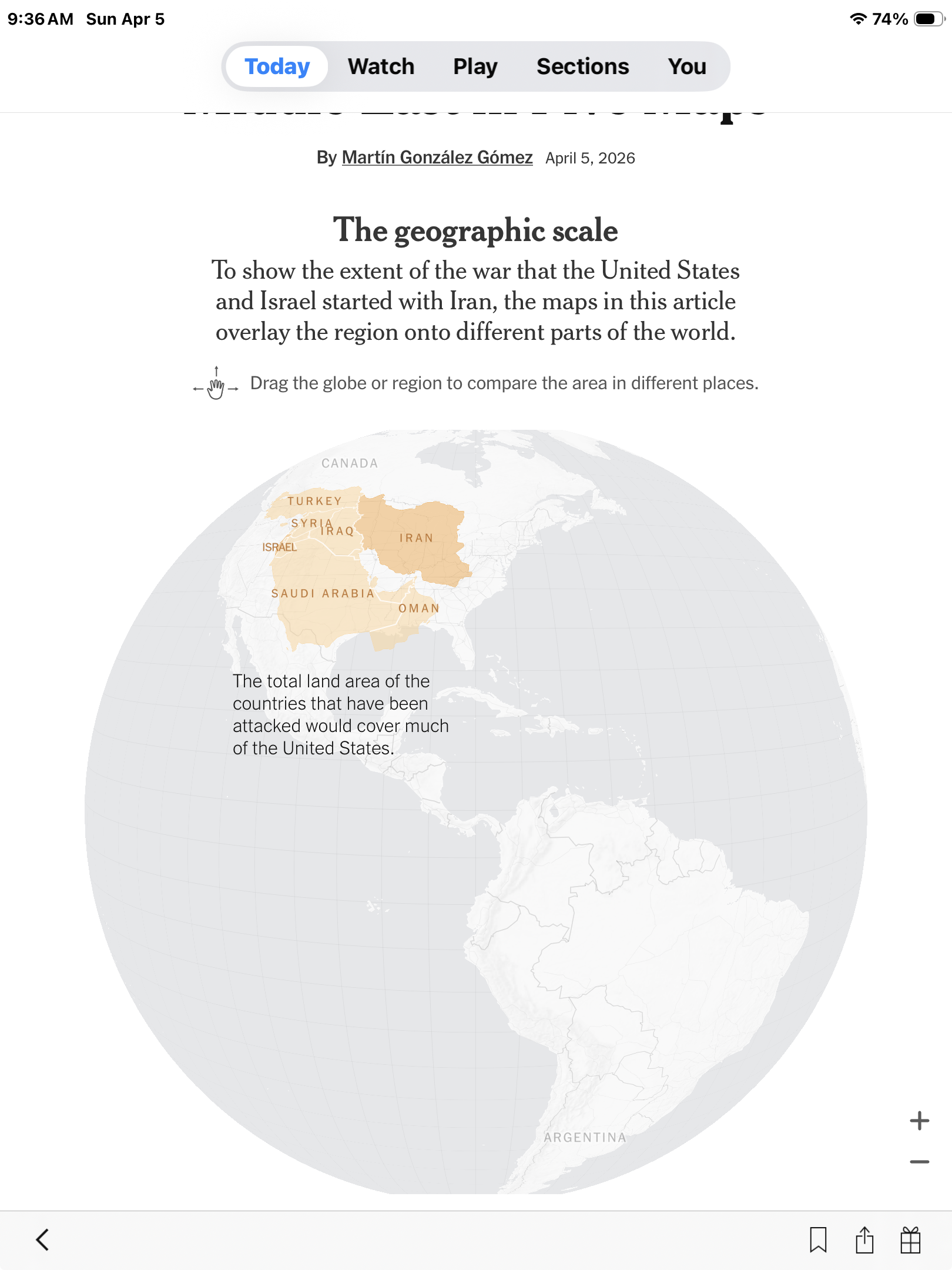
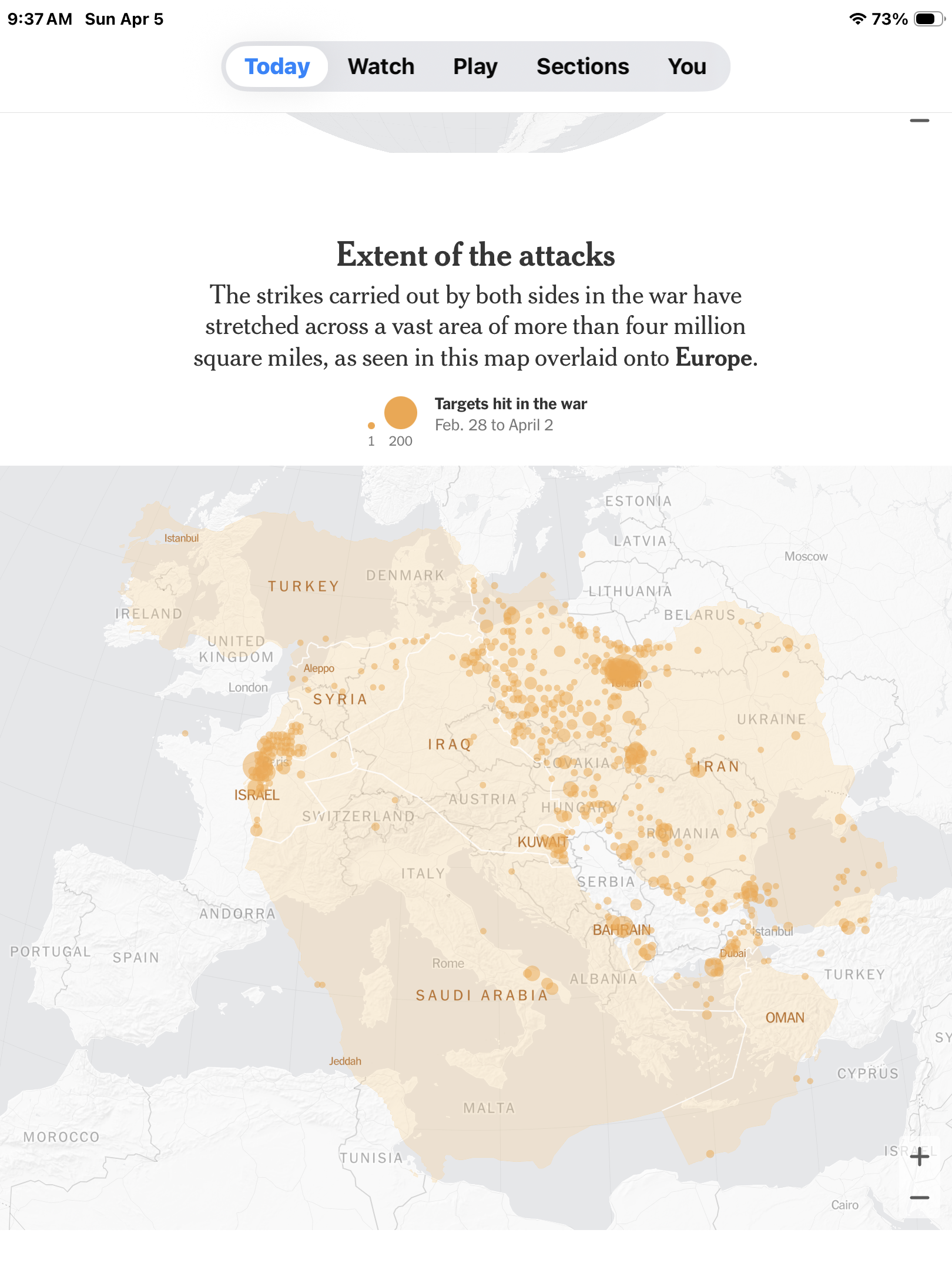
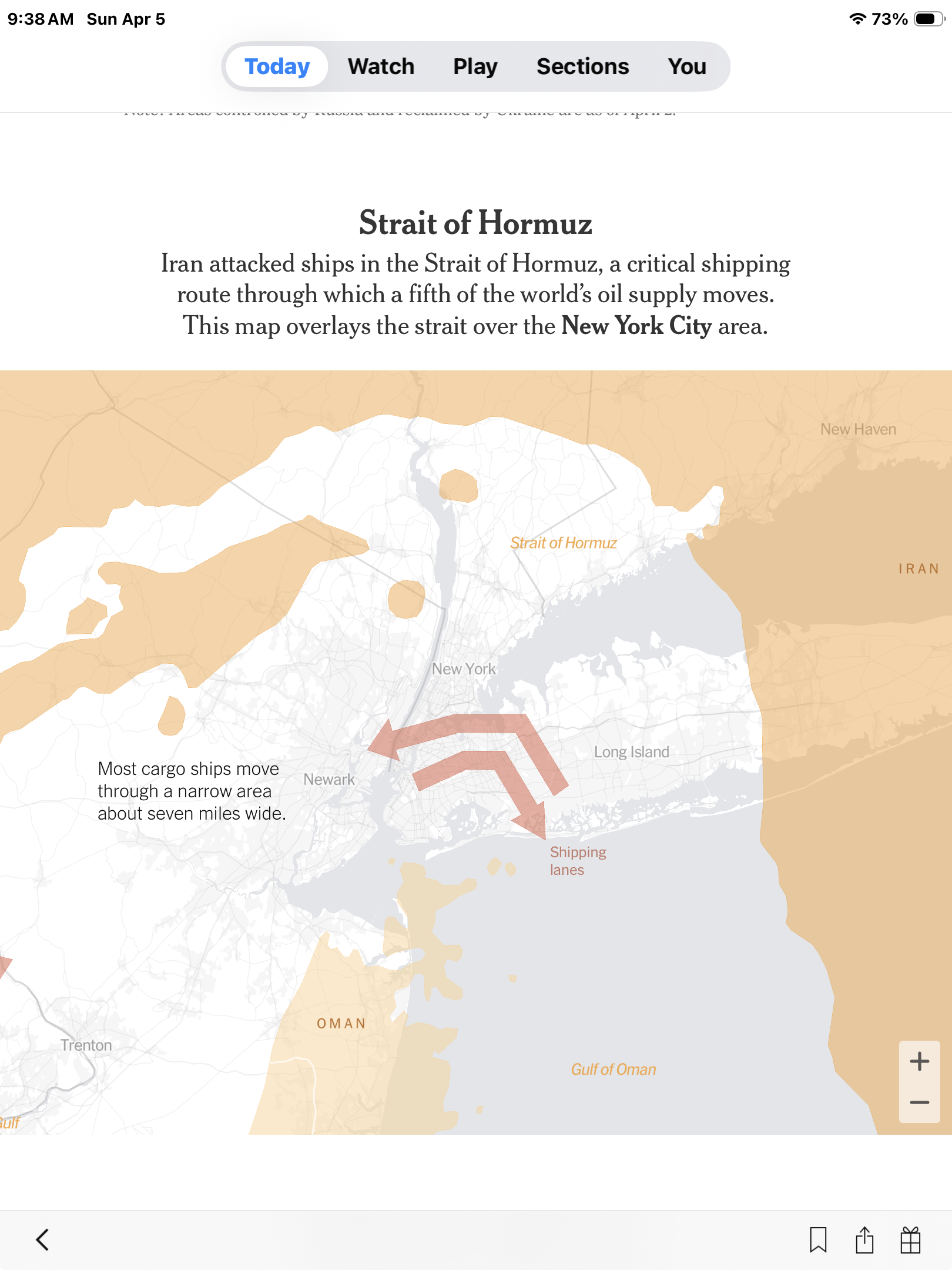
Living in Hell Paul Krugman
Mycomagicians Andy Ilachinski
Analysis of prosodic timing in reading Mark Liberman at Language Log

6iv26
The Capitalocene: The Anthropocene Benjamin Kunkel at LRB
How is the ecological predicament of the 21st century to be conceived of? Politically, how is it to be confronted, and by whom? The basic features of the problem are plain enough, when you can stand to look. Universal carbon pollution, known by the mild term 'climate change', is already distempering the seasons with bounding extremes of heat and cold, and magnifying storms and droughts; increasingly, it will spoil harvests, spread tropical diseases, and drown coastlines. (Less well known is the threat of more frequent earthquakes and volcanic eruptions.1) Excess carbon dioxide in the air, partly absorbed by the waters below, turns the oceans more acid, corroding coral reefs as well as the shells of clams, oysters and other calcifying organisms. Ocean acidification, a chief cause of the Great Permian Extinction some 250 million years ago, may come to factor in the ‘mass extinction event' — a planetary culling of life-forms with few rivals in the earth's history – currently taking place. For now, fatal habitat loss, both underwater and on land, has more to do with local conditions becoming abruptly warmer or dryer; the arrival of unfamiliar species travelling in the entourage of globally mobile humans; and encroachment by farmland and roads. Farmland itself may be faring better than wilder and more biodiverse terrain, but here too there are grounds for concern: topsoil acreage is dwindling, as are glaciers and aquifers vital to irrigation, on a planet that must feed seven and, soon, nine or ten billion people. Most of this population is poor by European or North American standards and doesn't constitute any automatic constituency for ecological restraint. Governments and corporations, for their part, have little incentive to slow, much less stop the general destruction. The collective activity of humanity is sapping the ecological basis of civilisation — and no collective agency capable of reckoning with the fact can yet be discerned.
How Trump's Vulgar, Criminal Easter Threat Enriches Iran Juan Cole
How Trump's Incompetence and Looming Global Catastrophes Intersect Michael T Klare
Polycrisis
Polycrisis WikipediaBeyond Polycrisis: Earth-Homeland and the Threshold We Are In Christian Ohm at linked in (20iii26)
The Man Who Named Our Moment in 1993 — And What We Forgot He Actually Said...In 1993, Edgar Morin and Anne-Brigitte Kern published Terre-Patrie (Earth-Homeland). Writing after the Cold War and the Rio Earth Summit, they argued that humanity's major crises -—ecological, economic, social and political — were not separate events unfolding in parallel.
They were one interconnected process.
...Climate disruption intensifies. AI reshapes economies and identities. Democracies fracture. Supply chains strain. Migration rises. Wars return. Inequality widens. These pressures do not simply coexist. They reinforce each other.
...The deeper possibility is that the framework itself is under strain. The ways we think, organise economies, politics and identity may no longer match the scale of the systems we have created or the world that we live in.
This is less a policy challenge than a civilisational threshold. Or, in other words, Liminality at planetary scale.
...Morin called for "planetary consciousness". Not the elimination of difference and not a utopian world government, but an expansion of identity and awareness beyond nation-centric thinking to include responsibility for the whole. In other words: A shift from "us versus them" to "all of us on one fragile platform"
...the real transformation required is not technological or institutional, it is cognitive and ethical:
- The ability to grasp complexity and to see connections rather than reducing problems to single causes. Morin's deepest critique is what he calls ‘closed rationality' - hyper-specialised, compartmentalised, reductionist expertise that addresses one system without seeing how it connects to the others. He argues this kind of thinking doesn't just fail to address the Polycrisis, it generates it.
- Solidarity as a practical necessity. In tightly connected systems isolation increases vulnerability, while cooperation becomes adaptive. This requires genuine mutual care across the divides that the old world made normal and that we can witness so vividly in today's world.
- Recognition of shared destiny. Without some form of collective orientation, responses default to competition, fragmentation and short-term survival strategies.
...Anthropologists describe such periods as liminal. The old order has weakened but a new one has not yet solidised. Traditionally these phases were temporary and structured by rituals, elders and social containers. Today they appear open-ended and conditional. There is no clear path through it and no consensus on what comes next.
...At civilisational scale the consequences are far larger, but the dynamic is similar. The current period is not just something happening to humanity. It is a phase through which humanity is redefining itself. We are participating in shaping what emerges from this threshold, instead of simply watching history unfold.
...None of these are quick solutions. They are changes in perspective.
Defining polycrisis - from crisis pictures to the crisis matrix Adam Tooze (2022)
This is why 'polycrisis' is a useful way of looking at the world right now World Economic Forum (2023)
The dynamics of polycrisis: Lessons from 50 years of global shocks Stockholm Resilience Centre
Global polycrisis: the causal mechanisms of crisis entanglement Cambridge Core (part of Polycrisis in the Anthropocene
Characterizing the Global Polycrisis: A Systematic Review of Recent Literature Judith J. Rakowski et al. Ann Rev Environment and Resources (2025) pdf
The polycrisis Aeon
Is this the word we need to describe unprecedented convergences between ecological, political and economic strife?...Sometimes words explode. It is a safe bet that, before 2022, you had never even heard the term 'polycrisis'. Now, there is a very good chance you have run into it; and, if you are engaged in environmental, economic or security issues, you most likely have — you might even have become frustrated with it. First virtually nobody was using polycrisis talk, and suddenly everyone seems to be.
Navigating polycrisis: long-run socio-cultural factors shape response to changing climate Daniel Hoyer et al. Philosophical Transactions B (2023)
Welcome to a Multidimensional Economic DisasterThe Atlantic (2026)
Amazon list 'Navigating the Polycrisis'
Dynamics of the Polycrisis video, part 2 znetwork.org (4iv26)
Whatever happened to the "polycrisis"?A couple of years ago it was the buzzword of the world, describing a concatenation of interacting crises that aggravated each other and made solutions appear impossible. In the year since the inauguration of Donald Trump his words and actions have so dominated world events that discussion of the polycrisis has atrophied. But the polycrisis is alive and well and massively aggravated by Trump's aggressive and erratic behavior.
This commentary, and the following two, trace the development of the polycrisis in the Trump era, examine the intensification of its dynamics, look at its possible outcomes, and give a preliminary perspective on how it might eventually be quelled.
Jobs v. cardboard boxes Adam Tooze
America's cardboard box industry is contractingInternational Paper, the largest cardboard box manufacturer in the United States, recently closed two mills in Georgia and cut more than a thousand jobs. While this might look like routine cost-cutting in a tired industrial sector, it may actually be a warning light for the broader economy. The cardboard box industry has long served as a barometer to measure real-world demand. Everything from big appliances to frozen pizzas is shipped in these boxes. When factories ramp up and businesses expect higher sales, they order more boxes. If they think demand is falling, box orders go down. The current situation is increasingly concerning. U.S. containerboard production capacity has fallen by about 9% in just eight months — a decline double the rate experienced during the 2009 recession. International Paper reported that U.S. box shipments fell 5% year-on-year in the second quarter, marking its fourth consecutive quarterly decline.
Similarly, Smurfit Westrock saw a 4.5% slide in North American corrugated cardboard volumes. Trade tariffs are also part of the equation. Analysts at Barclays estimate that 10% to 15% of American containerboard capacity is tied to exports. Trade disruptions are expected to slow these exports and potentially shrink them by 2026. Economist Jadrian Wooten of Virginia Tech notes that if shipments keep falling, other indicators, such as GDP or unemployment, may eventually catch up. The slowdown isn't only about demand. Packaging has become lighter to reduce waste, and the industry has consolidated significantly. Smurfit Kappa merged with WestRock in a $20 billion deal in 2023, and International Paper bought Britain's DS Smith for $9.9 billion in 2025. This means three major players now control most of America's box-making capacity, which gives them more room to shut mills while keeping prices steady.
Source: Quartz
The tofu product marketed as "the healthy human flesh alternative" bongboing
Lanuage uniersals Victor Mair at Language Log
A massive new analysis of over 1,700 languages shows that some long-debated "universal" grammar rules are actually real. By using cutting-edge evolutionary methods, researchers found that languages tend to evolve in predictable ways rather than randomly. Key patterns—like word order and grammatical structure—keep reappearing across the globe. The results suggest shared human thinking and communication pressures shape how all languages develop.
The Project Gutenberg eBook of Adventures Of A Sixpence In Guernsey, by A Native
Stochastic Lobsters, Token Tsunamis, & the Spinning-Up of Isaac576Bot Brad DeLong
appearing to work because much more of human language than we like to think is formulaic parrotage.
France pulled all its gold from the NY Fed — and made $15 billion doing it boingboing
Polycrisis continued
(via Aeon)s
...n October 2022, Tooze launched his monthly Financial Times column with the heading 'Welcome to the World of Polycrisis': A problem becomes a crisis when it challenges our ability to cope and thus threatens our identity. In the polycrisis the shocks are disparate, but they interact so that the whole is even more overwhelming than the sum of the parts. At times one feels as if one is losing one's sense of reality. As Tooze has repeatedly noted, 'polycrisis' did not drop out of the blue. In the discussion paper 'What Is a Global Polycrisis?' (2022) from the Cascade Institute, Scott Janzwood and Thomas Homer-Dixon locate its origins in the book Homeland Earth: A Manifesto for the New Millennium (1999) by Edgar Morin and Anne Brigitte Kern. They trace its history of use in studies of sustainable transition and in studies of the European Union. A key moment often pointed out is the 2018 speech by the former president of the European Commission, Jean-Claude Juncker, but he had already made an attempt at a definition in an earlier speech in 2016, when he explained how various security threats not only coincide with but also feed each other, ‘creating a sense of doubt and uncertainty in the minds of our people'. The term has emerged from relative obscurity to wild popularity, but it is crucial to note that the meanings of the word diverge. There is 'a' polycrisis and 'the' polycrisis. That is, on the one hand, people are trying to find a clear working definition of a polycrisis, to define its key characteristics, in order to forge a research concept with which to examine a diverse range of concatenations of events. With this meaning of the word in mind, there can be multiple polycrises: for example, the combination of the financial and the food-system crises around 2008-09, or the convergence of the COVID-19 pandemic, a hunger crisis and the Russian invasion of Ukraine in more recent years. On the other hand, ‘polycrisis' is understood not as a common noun but as a proper noun, denoting this particular stage of world history. There is only one polycrisis: this historical epoch, when humanity has created a world interconnected and interdependent to an unprecedented degree, combining vast material wealth with radical inequality and teetering on the threshold of ecological collapse. It is a truly novel phase of history, different from anything in the track record of our species....With 'polycrisis', we are again in a situation of conceptual struggle. A conceptual divergence into 'a' polycrisis and 'the' polycrisis has taken place, and the word is being defined for different kinds of uses. There is no shared social sphere within which a common conceptual framing can be agreed upon — this would be possible among a limited scientific community, but not as a word explodes into the public realm. A good recent example of this is how the word 'Anthropocene', a relatively obscure stratigraphical term, burst on to the scene and gained a menagerie of meanings as it was being employed by environmental researchers, artists, humanists, journalists etc. The stratigraphers continue their conceptually restricted discussion and are frustrated at the unruly discussion elsewhere.
7iv26
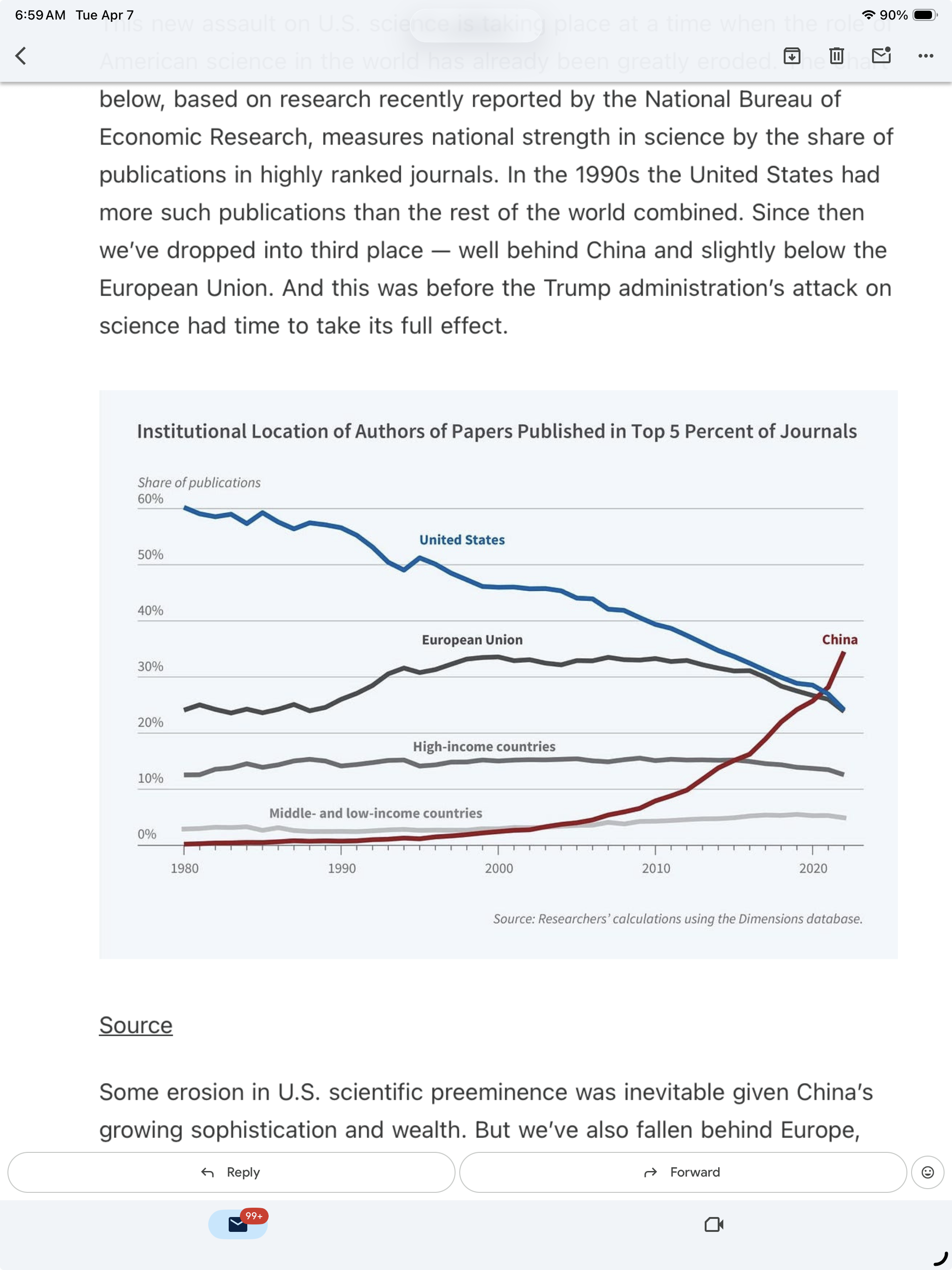
The World in Motion maps mania
This animated map displays worldwide air temperatures over the past week. It illustrates how temperatures shift daily, warming progressively from east to west as the Sun rises and sets across the globe
Between the User and the Used: Zadie Smith on Instrumentalism Marginalian
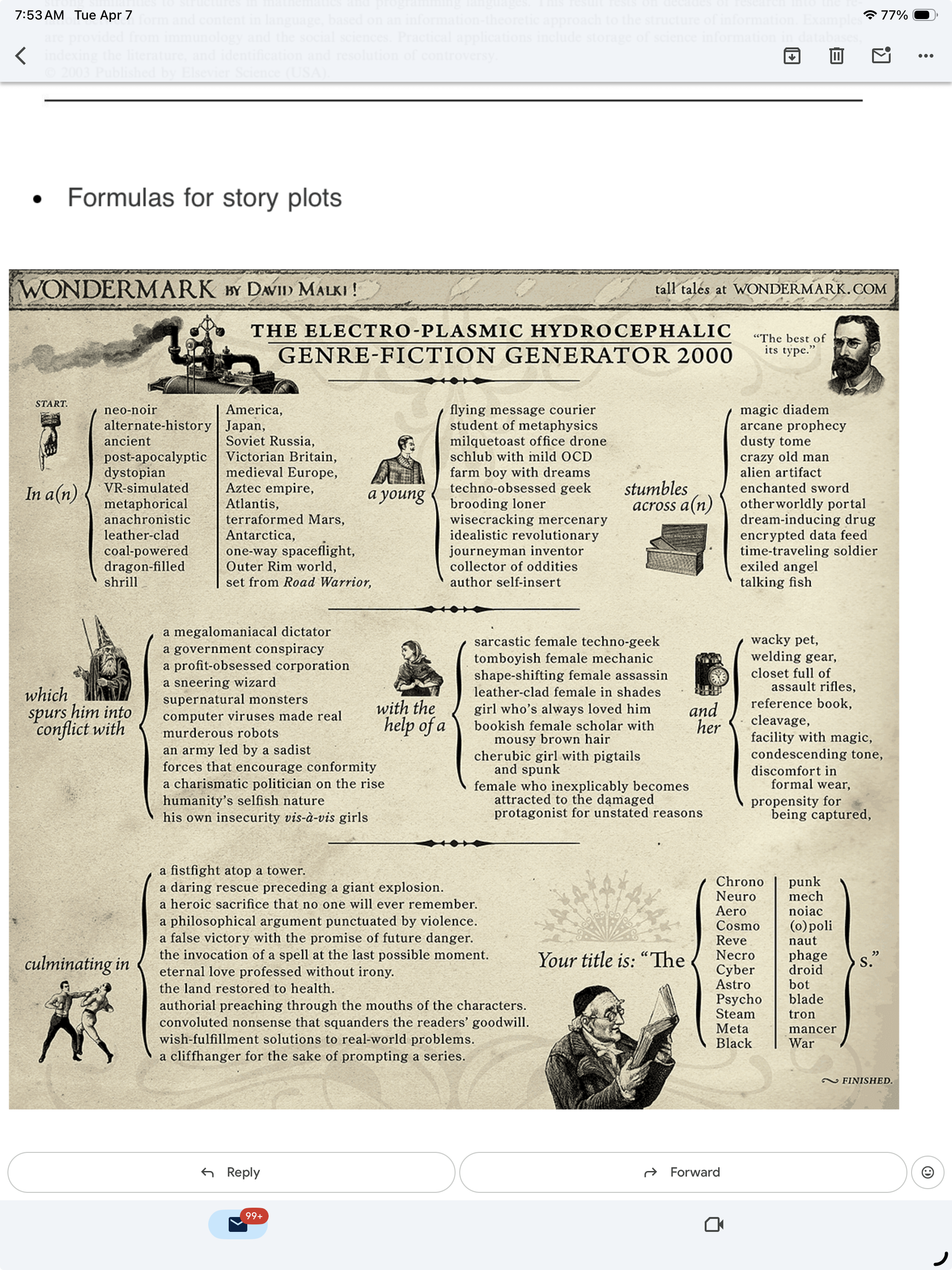
Our Darkest Hour Paul Krugman
10iv26
...The "ruptural unity of crisis". Do you think Carney was reading Stuart Hall (2016)?"A conjuncture is a period during which the different social, political, economic and ideological contradictions that are at work in society come together to give it a specific and distinctive shape ... history moves from one conjuncture to another rather than being an evolutionary flow. And what drives it forward is usually a crisis, when the contradictions that are always at play in any historical moment are condensed, or, as Althusser said, ‘fuse in a ruptural unity'. ... The definition of a conjunctural crisis is when these 'relatively autonomous' sites — which have different origins, are driven by different contradictions, and develop according to their own temporalities — are nevertheless 'convened' or condensed in the same moment."
The Secrets Of Abundance The Matrix Keeps From Us To Enslave The Population Linh Huynh at Medium
The Emirates on the Tightrope Colin Powers at NYRB
...Upon the end of Britain's hundred-and-fifty-one-year protectorate of the Trucial States in December 1971, the sheikhdoms that would go on to form the UAE were gradually incorporated into the US imperial project.
...Having acted as guarantor to the al Nahyan family since the days of Napoleon—and having trained generations of heirs at Sandhurst—were granted independence. But though these European attachments remained, the UAE was steadily pivoting toward Washington—this being, after all, the era of the pax Americana.
...Over the course of these decades Emirati leaders inclined toward financial conservatism and a conciliatory external posture. Economically, the Central Bank of the UAE and the Abu Dhabi Investment Authority (ADIA)—the UAE's largest sovereign wealth fund, instituted in 1976—concentrated their investments in low-risk assets like US treasuries. Politically, UAE leaders respected Saudi Arabia's regional seniority; Abu Dhabi, the UAE's capital, also refrained from grandiose foreign policy designs for the sake of balancing its interests with those of Dubai, its sister emirate, then busy cultivating its reputation as a hub where all were welcome to make and park money.
But during the 2000s the UAE's political economy transformed in a manner befitting the grander ambitions of an ascendant generation of royals. This shift broadly corresponded with the political rise of the Bani Fatima, the six brothers born to Fatima bint Mubarak al Kitbi, the most prominent wife of the UAE's founding president, Zayed bin Sultan. Led by their eldest member, Mohamed bin Zayed (MbZ), the brothers adopted a more front-footed approach to economic management and geopolitical competition.
In 2004 MbZ was named crown prince of Abu Dhabi, and thus heir apparent to the presidency of the UAE.
...At first the UAE's political and financial ventures in the US were essentially risk-averse, aimed at retaining Washington's favor and protection, sidestepping costly fiascos like what happened to DP World, and earning a buck. Then, in 2009, financial market turmoil forced Dubai to request a $20 billion bailout from Abu Dhabi. Now that it was a creditor to its sister emirate, Abu Dhabi would no longer need to respect Dubai's preference for a light, nonconflictual foreign policy, and MbZ adopted a set of expansionist regional goals to which the UAE's influence operation in Washington soon became tethered.
...That an outpost as small as the UAE could aspire to such an outsized role reflected a peculiar set of historical conditions. Among them was the steady march of neoliberal globalization. Prior to the rupture of the first Trump presidency, the order of the day remained free trade, free capital movements, the inviolability of intellectual property, and, less openly, the prerogative of wealth to seek privacy from the state. MbZ and his younger brother Tahnoun deftly designed their plans for an Emirati sub-empire—as the Brazilian theorist Ruy Mauro Marini might have called it—tto exploit these conditions.
For one thing, the UAE earned itself the blessings of great powers and transnational capital alike by energetically extending the circuitry of global wealth accumulation. Across the 2010s and 2020s Emirati petroleum products flowed to East Asia at a vast scale, as did the country's investments in Chinese refinery and petrochemical production. Cognizant of China's standing as the engine of worldwide growth, the UAE also used a range of means to help facilitate the movement of Chinese capital abroad, including currency swaps, sales of liquefied natural gas in yuan, and the marketing of panda and dim sum bonds within the Dubai International Financial Centre (DIFC). The DIFC likewise furnished a major conduit for Beijing's Belt & Road Initiative in Africa and west Asia; as of 2023 Chinese banks held more than a quarter of the center's assets.
Jebel Ali Port in Dubai and Khalifa Port in Abu Dhabi, meanwhile, became hubs par excellence for planet-spanning, just-in-time supply chains, fastening together commodity and aid flows across Asia, Africa, and the Middle East. The same free ports also proved invaluable at keeping private earnings away from the prying reaches of taxmen: according to Global Financial Integrity, between 2013 and 2022 the UAE's total trade value gap—a proxy figure for trade misinvoicing, a practice commonly used in conducting illicit financial flows—exceeded $450 billion.
...During the 2000s and 2010s the United States edged away from the laws of nations that had, however inconsistently, persisted over the previous sixty-odd years. The wars in Iraq and Afghanistan, and the so-called war on terror, revealed that respect for state sovereignty was a conditional privilege that the US could retract at its discretion; Guantanamo Bay, Abu Ghraib, the US's support for Israel's wars on Gaza, and the Obama White House's penchant for murder by drone chipped steadily away at international human rights law.
...the sadistic, irrational actions of the Trump and Netanyahu governments swiftly clarified just how vulnerable the UAE could be. The country has built indoor ski slopes in the middle of a desert as well as endless monuments to luxury and wealth—but no quantity of riches can take away the reality that the habitability of the UAE's grand urban centers rests on easily targetable infrastructure.
As became almost immediately apparent, if Iran had retaliated by launching missile strikes on the desalination plants at Jebel Ali, al Taweelah, Umm al Quwain, and Fujairah, along with a handful of the country's power stations, mass human life in the UAE would have been rendered nonviable beyond the next few weeks. Meanwhile, it took only crashing seven-thousand-dollar drones into several data center facilities—Amazon Web Service's in March and Oracle's in April—for Iran to turn the al Nahyan family's gamble on an AI-powered future into a potential sunk cost. Why, after all, would anyone commit tens of billions in chips and fixed capital going forward if the investment can be wiped out in one drone's swoop?
For Abu Dhabi, petroleum rents have always been the sine qua non of economic life. For Dubai, in contrast, the formula has mixed equal parts Cayman Islands, Hong Kong, Saint Tropez, and London. An entrepôt doubling as a safe haven for the global moneyed (be they of sordid or proper stock), the city rode its trading networks, offshore financial center, property and gold markets, and tourism receipts to boundless riches.
...As for Dubai, the explosions that rocked the Palm Jumeirah and Burj al Arab hotel in March—totems to the city's standing as elite refuge—have paralyzed the tourism economy and sent resident capital into flight. Disruption of commodity flows at the Jebel Ali Port have likewise thrown a spanner in the works of the city's mercantile empire. Support measures from the Central Bank have thus far staunched any terrible bleeding, and the UAE's sovereign wealth funds can always unload tens if not hundreds of billions in foreign assets if things really turn south. Since the cease-fire air traffic, too, has resumed, albeit at low volumes. Looking forward, though, one cannot help but wonder how long a country that was built on oil rents, open seas, and providing a sanctuary for an international elite may stand when hammers are being taken to all three of these foundation stones.
For the Emirates, on the other hand, the events of the past five weeks have shown that a deterritorialized empire can only ever be so robust. Wherever we go from here, none of the possible roads ahead look too good for the UAE. The status quo renders Iran regional kingmaker of the foreseeable future, and US boots on the ground would likely bring wholesale devastation to Dubai and Abu Dhabi. The Emirates' cityscapes, with their heaven-piercing towers, have long inspired awe. In the light of the past month, however, it bears reminding that these cities are built on sand.
11iv26
Measuring the Anthropocene Erika Marín-Spiotta et al. at edgeeffercts.net (2015, 2019)
The Anthropocene: The Promise and Pitfalls of an Epochal Idea Rob Nixon at edgeeffercts.net (2014, 2019)
tagged 'anthropocene' at edgeeffects.net
New Prohibition, The Musical History of Hemp apple music or Spotify
Melania's SHOCKING Statement : The Epstein Files Coverup Shubhransh Rai at Medium
Then she ended it: By promoting her book, "Melania."
This is peak grift. This is a family that can't do anything without monetizing it.
We're solving the fundamental mystery of how reality is glued together New Scientist
Don't Be Evil Cory Doctorow
Opencola didn't make it. Our VCs got greedy when Microsoft offered to buy us and tried to grab all the equity away from the founders. I quit and went to EFF, and my partners got very good jobs at Microsoft, and the company was bought for its tax-credits by Opentext, and that was that.
...Today, I have another term that I turn to when I am trying to rally other people who love the internet and want it to be good: "Tron-pilled." Tron "fought for the user." Lots of us technologists are Tron-pilled. Back in the early days, when it wasn't clear that there was ever going to be any money in this internet thing, being Tron-pilled was pretty much the only reason to get involved with it. Sure, there were a few monsters who fell into the early internet because it offered them a chance to torment strangers at a distance, but they were vastly outnumbered by the legion of Tron-pilled nerds who wanted to make the internet better because we wanted all our normie friends to have the same kind of good time we were having.
The point of this is that there were lots of people back then who had the capacity to imagine the kind of gross stuff that Zuckerberg, Musk, and innumerable other scammers, hustlers and creeps got up to on the web. The thing that distinguished these monsters wasn't their genius — it was their callousness. When we brainstormed ways to break the internet, we felt scared and were inspired to try to save it. When they brainstormed ways to break the internet, they created pitch-decks.
A Workingman's Surrealist Jeremy Lybarger at NYRB
Mindspace
What is MindSpace? createmindspace.nt
...The term "MindSpace" means many things to many different people, in many different environments: from physical business space, to aspects of neuropsychology in modern medicine. For the purposes of our business and website the term MindSpace means the space we intentionally create within our mind and physical brain by having habits, practices and activities that promote its healthy function and efficiency. The result can be peace, freedom and success. It is our endeavor to bring to our viewers information, classes, projects and products to assist in opening their MindSpace.
Mind map Wikipedia
What is Mind Mapping? What Are Its Uses? Mindmaps.com
Tony Buzan: The Inventor of Mind Mapping at mind-map.com
Yes, They're Nazis
The evidence is too overwhelming to ignore any longer Chad C Mulligan
It has all of the hallmarks of fascist regimes, historically. It easily meets the "fascist minimum" of palingenic populist ultranationalism. It has the same "mythic core" of lost greatness. It seeks to eradicate the "enemy within." It looks for scapegoats and purveys hatred. It has secret police, paramilitaries, and concentration camps. It has a cult of personality surrounding its leader. It has a vast, well-funded propaganda apparatus that spreads lies and disinformation. It rules by decree. It seeks to end representative democracy and elections. It is socially conservative, reactionary, misogynistic, and violent. It is anti-intellectual, paranoid and conspiratorial. It is populist and authoritarian. It is militaristic and expansionist. It is opposed to socialism and equality. It merges big business and the state. It has the same fundamental ideology, methodology and goals.
...are the comparisons between the Trump administration and the Nazi regime valid? Keep in mind, when we're making comparisons, we're looking at the underlying ideology, motivation, goals and behavior, not specifics. When people say something or someone is a 'Nazi', what do they mean, if it's a descriptive epithet and not a pejorative empty of meaning?
I think for most people, what makes someone a Nazi is a combination of authoritarianism, racism, male chauvinism, a lust for power, and a disregard for ethics and morals. It's an ideology that says life is struggle, the strong should rule, and that power is the only thing that matters. For them, concepts like fairness, equality, justice, morality, compassion, mercy, and so on, are "soft", "wea"” or "feminine."
...It was a nineteenth-century French aristocrat who first defined this ideology for the Nazis. Arthur de Gobineau came up with the idea of an "Aryan Race" based on the then-novel discovery that Indo-European speaking peoples had migrated into Western Europe from the Pontic-Caspian steppe thousands of years ago in prehistory. These pale-skinned conquerors were, de Gobineau declared, the "Master Race."
...The concept of "white" is just as made-up as that of "Aryan." Initially, even central Europeans did not qualify as "white." Benjamin Franklin classified people as white, black, "tawny," and "swarthy." Perhaps surprisingly, he listed Germans and Swedes among the "swarthy."
...As recently as March 2026 during the Iran conflict, Trump called into a Fox News program and said of Iranian and Muslim immigrants, "They're sick people... a lot of them were let in here, they shouldn't have been let in. Others, they're just bad, they go bad. There's something wrong, there's something wrong there... their genetics are not exactly, they're not exactly your genetic... it's one of those problems. It's a terrible thing..."
Cosmic Soul Andy Ilachinski
...It did not seem impossible that man himself was the germ of the world-soul, which, we still hope, is destined to awake for a while before the universal decline, and to crown the eternal cosmos with its due of knowledge and admiration, fleeting yet eternal. [...] It is even conceivable that every creative advance that any mind has ever made involves unwitting co-operation with the cosmic mind which, perhaps, will awake at some date before the End.
...The cosmos exploded, actualizing its potentiality of space and time. The centers of power, like fragments of a bursting bomb, were hurled apart. But each one retained in itself, as a memory and a longing, the single spirit of the whole; and each mirrored in itself aspects of all the others throughout all the cosmical space and time."
- Olaf Stapledon (1886 - 1950)
The Lynn Museum rtangent.com
Lynn Legacies lynnlegacies.org
General Electric lynnlegacies.org
How Lynn Became The Shoe Capitol Of The World WGBH (2014)
Within a few years, Lynn is the undisputed shoe capital of the world. 234 factories are churning out more than a million pairs of shoes each day.
But Matzeliger would never fully enjoy the spoils of his success. By the end of the decade he was dead of tuberculosis — an all too common end for shoe factory workers of the era. He was just 36.
As for shoe production in Lynn, it would wane through the 20th century. The Great Depression hit the industry hard. The last remaining shoe factory in the city burned to the ground in 1981. Today, nearly 99 percent of shoes sold in the US are made overseas.
History of the lasting machine showgazing.com
Paul Ehrlich, RIP Eric Lee at Medium
Distribution of acronym lengths Mark Liberman at LanguageLog
Anker's EufyMake E1 Finally Brings Printers Out of the Dark Ages gizmodo
13iv26
Austerity creates fascism Cory Doctorow
Iran, Parthia and Proxy Wars Hugh J Curran at Informed Consent
Trump and the Art of Losing Truthdig at Informed Comment
How the Israeli-US War on Iran has spurred Nuclear Proliferation Foreign Policy in Focus at Informed Commernt
Good news from Hungary crooked timber
To operationalize the product model, you have to speak budget Jennifer Pahlka
The Axis of Autocracy Loses a Wheel Paul Krugman
And we've had yet another confirmation that Trump is Midas in reverse: Everything he touches turns to, well, something other than gold. Hungarians weren't swayed to Orbán's side by the efforts of Trump and Vance; if anything, Magyar, like Canada's Mark Carney, probably benefited from his opponent's association with MAGA.
another bit from Tooze:
Barrington Moore Jnr, The Social Origins of Dictatorship and Democracy (London, 1966), 486 in 1967 Penguin
The Illusion of Understanding Stephanie Shen at Medium (quotes Michael Pollan):
of Wittgenstein:
He argues that language, by nature, is vague with fuzzy boundaries. It can't give a complete definition for a concept. For example, what is a chair? Oxford dictionary defines it as "a separate seat for one person, typically with a back and four legs." But is a bean bag a chair? How about the stone someone is sitting on? Each is a seat for one person, but without legs? Is a sleep sofa a chair? It has a back and four legs, but can accommodate up to 3 people.
The real meaning of "chair" can only be precise when it is put into use by giving enough context and clear circumstances. And a definition can be clear only when a specific purpose is given
...Wittgenstein refers to language as "games", depending on how the players — who produce or receive the text — play them. People from different walks of life and educational backgrounds play the games differently across social and cultural contexts. This is why it is so common that people engage in endless, fruitless debates in which everyone talks over one another — they are playing different games, though speaking the same language.
More importantly, Wittgenstein states that we play language games through our ordinary "forms of life", mediated by our gestures, facial expressions, emotions, sensations, and actions. In other words, language games involve embodied human activities beyond words and sentences.
Wittgenstein delved deeper into the human mind and found that in many cases, language lacks the words to describe or discriminate mental states. One example is "coffee's aroma"...
...Wittgenstein pierced the illusion that language creates. He points out in Philosophical Investigations that language lacks a fixed, precise internal structure. The accuracy and order of sentences give humans the illusion of language's profundity, leading philosophers to believe they could discover the underlying essence and hidden order in language itself, which, in fact, doesn't exist.
...As Wittgenstein puts it, "a philosophical work consists essentially of elucidations," and "philosophy does not result in philosophical propositions,' but rather in the clarification of propositions". Its task is not to advance theories, but to dissolve confusions that may arise in the language
...modern research suggests that the language function is highly distributed across the temporal, parietal, and frontal lobes and is intertwined with other non-linguistic functions. The "meaning" isn't stored in just one spot in the brain. It involves a dynamic activation of a web of multi-functional networks involved in language production and comprehension
... language is only a small part of human consciousness and experience. We determine our intended meaning before construing language to communicate it.
Based on Wittgenstein, humans participate in language games as embodied agents with real understanding, while bringing new ideas from new experiences. We own the true creativity and originality of the language.
On the contrary, LLMs simulate language games but do not live them, because they lack embodied sensations, instincts, emotions, and intentions. They are constrained to the space of pure human-generated text. Consequently, they can't create new words or original expressions of complex sensations and emotions beyond what humans have created. They can only copy or imitate existing human productions.
...LLMs also give the illusion of possessing "personalities", which are not real but styles of language trained by AI companies. It is our own understanding that creates the illusion that LLMs convey meaning with a perceived personality.
Additionally, LLMs generate the output without forming beliefs or intending any goals. Nor do they have any judgments and motivations for truth. Their conclusions are based on statistical tracking patterns of word co-occurrence, associations, and continuations in text.
This is why they hallucinate as a default mode, as OpenAI states in one of its papers: "Large language models sometimes guess when uncertain, producing plausible yet incorrect statements instead of admitting uncertainty." Therefore, their output can't be trusted, as it may be factually wrong even when presented fluently and confidently.
...Human thinking and understanding are embodied and rooted in a reality far greater than the compressed domain of language. LLMs only know what humans have figured out, which is a small subset of reality.
Truth and meaning result from human interactions with the real world. Once we anchor in this frame, LLMs are not a threat but merely a tool to leverage. They are, in essence, not different from calculators or planes, which can do specific things far better than humans, but are still the instruments under humans' control. Instead of comparing them to humans, we should focus on determining how best to use them in appropriate circumstances with the right expectations.
Delusions of Grandeur, Hungary Edition Paul Krugman 11iv26
A visual guide to Iran's coastline and strategic islands AlJazeera
10 Hacks Every Spotify User Should Know lifehacker
History Nerd Bucket List: The Jenny Geddes Stool crooked timber
14iv26
15iv26
What is Human Agency? A Community Conversation Chris Heuer
It's Too Late, Techno-pessimists. We Are As Gods Katherine Dee
...Techno-pessimists are trying to stop something that has, in most of the ways that matter, already happened. Ray Kurzweil was prescient about many things, and one of them is this: the merger has started. He predicted the outer layers of our neocortex would be wired to the cloud by the 2030s, extending human thought the way the last round of neocortical expansion produced us. But think carefully about what consumer technology alone already does. (And that's just CONSUMER technology.) We have built ourselves a second nervous system. We are not "building" ourselves a second nervous system. Or: We are already as gods; it's just that the knowledge of this power hasn't been evenly distributed yet. The violence will get worse, and also why it will fail — it is far too aimed at the technology itself. The enemy of the Luddites wasn't the loom, but rather the factory owners. Yes, AI shouldn't be used to exploit people and more economic sensitivity in that direction might even diffuse some of the anger. But it is a different fight than the one most of the people reaching for Molotovs think they're in. They aren't asking the economic question, or they aren't asking the economic question primarily. Many of the extremists aren't asking any question at all — on the surface, they are angry at modernity, at the very essence of technology.
..."Everyone dies" is not, from the perspective of most young Americans right now, the worst case. The worst case is everyone lives and nothing you do matters and the job you trained for is gone and nobody will tell you why and the billionaires have bunkers. The anti-natalist who bombs an IVF clinic and the existential-risk boy who firebombs Altman's house are answering the same question, which is what do you do when life has no meaning? What do you do when you feel like the future has no place for you? I suspect, perhaps controversially, this is what Eric Harris and Dylan Klebold were trying, in their evil, to ask — what Adam Lanza was trying to say in his — what every man who "went postal was trying to say. Violence will only widen the divide. Some will move toward Kurzweil. Others, Kaczynski. The rest remain in purgatory, in neither one camp nor the other. The doomers will produce more Moreno-Gamas.
Music break: Baba Yetu crooked timber
NotebookLM Explain vs Summarize: 5 Strategies for Deeper Insights Mihailo Zoin 14iv26
Cognitive Surrender: When NotebookLM and Gemini Sync, What Exactly Do We Agree To? Michalo Zoin 16iv26
Claude Cowork: The day the tool stopped being yours Michalo Zoin 16iv26
That sentence is not marketing language. It is a description of what Cowork now is — and a quiet notice about what using it now requires.
The Wall: Delicate Patterns Against An Unmovable Rock“ Don Giannatti at Medium
A sandstone wall in Capitol Reef, lit not by the sun, but by what the sun left behind.
Reflected light.
It's not impressive; it doesn't have to be.
And what's there is everything I'm drawn to.
Lines that don't behave.
Textures that feel like time more than surface; pressed, scraped, layered over years I can't comprehend.
And color... not bold, not saturated... just enough to hold your attention without begging for it.
And then there's the tree.
Are Neanderthals descendants of modern humans? New Scientist
Schumpeterian waves in the US economy. Deaths from malnutrition. Adam Tooze
Is This Blue: Chilean Philosophers Humberto Maturana and Francisco Varela on Love and How We Know the World Marginalian
Watch KAOS Netflix Official Site
First Statewide Data Center Ban Passed by Maine Legislature gizmodo
16iv26
Tanakh sefaria.org
Hebrew Bible Wikipedia
Can Mills catch Platner? On the US Senate race with The Christian Science Monitor
Scott Bessent's LLM System Prompt Has a High Weight on the Word "Vermouth": Thing Worth Noting Brad DeLong
Sigmund Freud called these "parapraxes": the moments when repressed, or simply over‑preoccupied, content elbows its way into a place where it does not belong. The Freudian version is that this is, overwhelmingly, about displaced desire and displaced fear—he desire or fear that cannot be named directly still insists on being spoken, and so it is displaced onto something nominally safer. The person who cannot speak directly of sex becomes obsessed with cleanliness; the man who cannot admit his fear of his father spends his life railing against "bureaucrats" or "élites".
Freud was overwrought.
And "vermouth" for "Hormuz" is low‑stakes slapstick.
...The modern American right has developed an entire vocabulary of displacement, a thesaurus of "vermouths”" for things it no longer feels quite secure saying out loud: "Urban crime." "Globalists." "Woke universities."
These are not analytically useful categories; they are, rather, deniable proxies for older, cruder categories: Black people, Jews, the young and non‑deferential.
The fact that the proxies come so readily to the tongue tells you where the attention is, what emotional carga is being carried.
...when the noise is systematically concentrated in certain semantic neighborhoods—persecution, dominance, grievance, extermination—you know you are looking at the revealing jitter of an over‑amped system.
What happens when an artist draws faces on the rocks she finds? boingboing
17iv26
Science Friday
From elite science to public infrastructure: How genomic sequencing grew up
Differences in ribosomes may help explain human diversity
But there's growing evidence of natural variation in the genes coding for the RNA molecules that help make up a ribosome's structure.
...Each animal cell can contain millions of ribosomes, which consist of dozens of distinct proteins enfolded in strands of nucleic acid called ribosomal RNA (rRNA). These tiny machines translate messenger RNAs—transcripts from active genes—into proteins needed for cell survival, growth, and other functions. Most scientists thought that to work properly, ribosomes couldn't vary much.
Rise of farming, cultural shifts supercharged human evolution Andrew Curry
All that societal upheaval may have supercharged our biological evolution as well, according to a study of nearly 16,000 ancient human genomes published this week in Nature. Researchers leveraged the exponential growth of ancient DNA samples to measure human genetic change over 18,000 years and found hundreds of genetic shifts across Europe's population in a relatively short time
Fog, a research 'underdog,' gets serious attention Hannah Richer
...In California's famous redwood forests, fog can provide 40% of the ecosystem's summertime water. In the Salinas Valley, nicknamed the "salad bowl of the world," fog nourishes the cropland that generates more than half of the United States's lettuce and one-quarter of its strawberries. And in cities, fog can scavenge and carry off harmful pollutants such as nitric and sulfuric acids, soot, and trace metals.
Cold rush Zack Savitsky
But sure enough, a few years later, an unlikely source of helium-3 appeared. In 1955, at the height of the Cold War, the U.S. government began to develop hydrogen bombs, thermonuclear weapons whose destructive power is juiced by a dollop of tritium. With a half-life of 12.5 years, tritium happens to decay slowly into helium-3, which can be captured and sold. A decade later, a group in the Netherlands completed the first modern-day dilution refrigerator, capable of reaching temperatures as low as 0.22 K.
In principle, the cooling process London proposed works the same as sweating or dropping an ice cube in a drink. In both cases, water absorbs heat from its surroundings not by rising in temperature, but by going through a phase transition—from a liquid to a gas in the case of sweat, or from a solid to a liquid for the ice cube.
Similarly, a mixture of helium-3 and helium-4 absorbs heat during a special kind of phase transition. Below a temperature of roughly 1 K, the mixture naturally separates, like oil and water, into two layers: concentrated helium-3 sitting on top of a dilute mixture of the two species. If some helium-3 atoms are pumped out of the dilute layer, replacements will diffuse down from the concentrated layer. Like evaporation, this phase change draws heat from the environment. The helium-3 that's pumped away can be captured and recycled back into the concentrated pool, allowing the cooling process to continue indefinitely— theoretically all the way down to a few millikelvins, thousandths of a degree above absolute zero. In practice, dilution fridges today operate below 20 millikelvins—hundreds of times colder than interstellar space.
...THE HELIUM-3 that dilution fridges rely on comes mainly from the U.S. government. The Department of Energy (DOE) collects the isotope when servicing aging tritium reservoirs in the U.S. nuclear stockpile and sells it off to companies, which in turn distribute it to researchers and manufacturers. Supplies are subject to geopolitical drama. After the 9/11 terrorist attacks, for instance, the demand for helium-3 in weapons detection systems made the gas nearly impossible to buy for research, prompting intervention from Congress.
Shaping tissues with defects John WC Dunlop and Lucja Kowalewska
and this:
Prediction markets as a public health threat Nizan Geslevich Packin and Sharon Rabinovitz
...By late 2025, PMs were processing over $2 billion in weekly transactions, with major events drawing hundreds of millions in wagers. They now permeate social media, retail-investment apps, and search engines, reaching millions of users and operating as mainstream infrastructure rather than niche tools. Though PMs may not have already produced documented population-level harms equivalent to gambling, their structural features and rapid institutionalization warrant precautionary scrutiny. Addictive design, vulnerable users, and permissive regulatory environments are a well-established formula (3) for population-level harm
...PMs pose underappreciated threats to democratic integrity, from electoral manipulation to insider trading on classified government action. Foreign nationals are prohibited from contributing to US elections, yet may trade political event contracts referencing electoral outcomes. Regulatory responses vary across jurisdictions, with some countries restricting domestic participation while foreign access remains available. Residents directly affected by election results may thus be excluded while cross-border actors face fewer constraints. This asymmetry is compounded by thin liquidity: Low trading volume and few participants mean even small trades can substantially shift prices and manufacture the appearance of consensus, influencing political expectations rather than simply reflecting them, turning electoral "forecasts" into instruments of influence rather than collective judgment. Concentrated actors can cheaply shift probabilities, potentially influencing voter perceptions, expectations, campaign donations, and media coverage in self-reinforcing cycles.
...Commercial PMs further threaten democratic integrity by creating insider trading risks that neither securities regulation nor gambling law adequately addresses. A Polymarket trade placed shortly before the US military detention of Venezuelan President Maduro in 2026, and unusual trading activity preceding strikes on Iran, both sparked allegations of trading on privileged government information and prompted legislative attention. By monetizing proximity to sensitive state action, commercial PMs create financial incentives to leak or exploit classified information, eroding operational security on which democratic governance depends. Weak identity verification and transaction monitoring, particularly in cross-border and crypto-denominated markets, further enhance money-laundering and counterterror-financing vulnerabilities. PMs also introduce another potential perversion: financial incentives to actively manufacture the events being predicted. When arson, market manipulation, or geopolitical provocation becomes profitable, PMs cease to function as price discovery tools and become instruments of manipulation, distorting rather than reflecting reality.
...The industry practice of "terminological washing" (replacing "betting" with "forecasting," "information markets," or "financial instruments") may reduce harm awareness and delay problem recognition, consistent with evidence that activity labeling influences risk perception and identity-based barriers to help-seeking in adjacent contexts (10). Participants perceive themselves as analysts or engaged citizens rather than gamblers, a distortion hindering help-seeking even as financial and psychological damage accumulates. This rebranding distinguishes PMs from traditional gambling, where stigma, however flawed, can trigger self-reflection.
...product dimension (the continuous gamified interface, algorithmic targeting, crypto integration, and removal of land-based friction detailed above) (12) operates as a population-scale harm-delivery mechanism, systematically bypassing safeguards. The user dimension encompasses psychological vulnerabilities (stress-coping deficits, sensation seeking, overconfidence, mental health conditions) that increase-addiction susceptibility, further compounded by social proof and participation pressure through visible engagement. PMs' self-framing as investment or civic participation suppresses stigma-driven self-restraint, disproportionately affecting youth, financially inexperienced users, and economically marginalized groups, for whom engagement recasts financial stakes as civic engagement or identity expression, offering illusory democratic influence.
...The environmental dimension encompasses regulatory ambiguity, cultural normalization, and a dense marketing ecosystem. Evidence from analogous digital platforms suggests that social validation loops, financial influencers, and algorithmic campaigns normalize continuous engagement and generate fear of missing out, herd dynamics, and competitive pressure. Media integration embeds wagering directly into information-seeking and social behavior.
These three dimensions are mutually reinforcing: Product features exploit psychological vulnerabilities within a permissive regulatory and media environment, such that population-level harm emerges from their structural interaction rather than any single factor (13). This harm profile parallels the epidemiology of licit versus illicit substances: Alcohol and tobacco incur greater societal costs than cocaine or heroin, as legal status amplifies prevalence while addictive potential remains constant.
...PMs pose underappreciated threats to democratic integrity, from electoral manipulation to insider trading on classified government action. Foreign nationals are prohibited from contributing to US elections, yet may trade political event contracts referencing electoral outcomes. Regulatory responses vary across jurisdictions, with some countries restricting domestic participation while foreign access remains available. Residents directly affected by election results may thus be excluded while cross-border actors face fewer constraints. This asymmetry is compounded by thin liquidity: Low trading volume and few participants mean even small trades can substantially shift prices and manufacture the appearance of consensus, influencing political expectations rather than simply reflecting them, turning electoral "forecasts" into instruments of influence rather than collective judgment. Concentrated actors can cheaply shift probabilities, potentially influencing voter perceptions, expectations, campaign donations, and media coverage in self-reinforcing cycles.
Our cosmos, ourselves C. Brandon Ogbunugafor
Protect polar wildlife from microplastics
Trial by Fire: Crisis Engineering Jennifer Pahlka
Too many of our public institutions have failed to adapt, and the idea that they might be reprogrammable at all is a bit radical. We live in an era when too many people have given up on them, willing to burn them to the ground rather than renovate them. If crises represent the chance for true transformation, then we'd better get a lot better at using them for that. This is explicitly why Crisis Engineering exists, and it's a detailed, practical book — the theory and framing devices are well used, but there's a ton of pragmatic substance here you'll be grateful for when the moment comes.
...There are times when it's incredibly active and pleasurable and generative to go down these clickbaity rabbit holes online and just be amazed at what you can find. It can spark all sorts of thoughts and challenge things that you felt and give you new information... It's a magical thing to have, absolutely, and I do that myself... I just get to call it research... We have at our disposal this amazing world of not just information but of other people's thoughts and feelings and interpretations, and that's a great invitation, I think. [The question is] how do we stay active in that process when built into the structure is this imperative to become passive.
William James on the Psychology of Habit Marginalian
18iv26
Gum arabic and the Sudan conflict Adam Tooze
Georgia's voting technology blunder Cory Doctorow
Walt Whitman's Field Guide to Being Yourself: The Trial and Triumph of Leaves of Grass Marginalian
Everyone Has an Ontology Now. Almost Nobody Has an Ontology Dr Nicolas Figay at Medium
There is a pattern here worth naming.
The word "ontology" has escaped its technical meaning and become a marketing asset. It signals rigor, structure, shared understanding. It implies that the platform knows what your business means — not just what your data says. In the age of agentic AI, that is an enormously valuable claim.
The problem is that most of what is being sold under that label is something else: a governed property graph. A business glossary with relationship types. A typed schema with some constraints layered on top. These are not worthless — they are genuinely useful artefacts. But they are not ontologies in any formal sense, and the distinction matters enormously the moment you ask an AI agent to reason on top of them.
...An ontology, in the logical sense, provides a formal semantics — axioms, description logic, an explicit stance on the Open World Assumption. It distinguishes individuals from classes. It allows inference: from what you have asserted, a reasoner can derive what you have not explicitly stated. That derivation is bounded, decidable in defined fragments, and auditable.
None of the vendor "ontologies" I have examined commit to any of this. Microsoft's Fabric IQ ontology is bootstrapped from Power BI semantic models by business experts using no-code visual tools. Palantir's Ontology defines object types, link types, action types — a rich operational model, the most sophisticated of the vendor offerings — but with no description logic underneath, no inference, no formal commitment to an epistemological regime. What you get is a well-governed conceptual map. What you are promised is semantic reasoning. These are not the same thing.
...When an AI agent acts autonomously on the basis of a "semantic layer," the question that matters is: what guarantees does that layer actually provide? If the ontology is informal — if it is a business glossary with governance tooling — then the agent's reasoning is only as good as the completeness and consistency of the model as manually constructed by domain experts. There is no inference. There is no formal constraint validation. There is no decidability. There is operational context, curated by humans, dressed in the language of logic.
That is not nothing. But it is not what is being claimed.
Trump Will Participate in a Marathon Bible Reading NY Times
Ranked: The World's Largest Armies in 2026 voronoiapp.com
Montaigne on books, beginnings of an experiment
19iv26
Curing U.S. Health Care, Part I Paul Krugman
...a significant number of Americans who have health insurance are in fact underinsured. As a result, they are at risk of incurring devastating healthcare costs and are sometimes forced to forgo needed care. This number is set to rise sharply in the next two years as a result of Republican policies adopted under Donald Trump.
And not only is the U.S. unique among advanced countries in its under-provision of health care coverage, it also incurs by far the world's highest healthcare costs per capita.
...No modern nation leaves the delivery of healthcare up to free markets. Granted, the U.S. healthcare system is more privatized than that of any other high-income nation. Yet even in America, government accounts for 48 percent of healthcare spending, while private insurers — who paid only a third of the bills — are both heavily regulated and extensively subsidized.
...modern medicine is available to the vast majority of Americans only thanks to health insurance. But private health insurance — that is, health insurance provided by for-profit insurance companies — is riddled with problems.
First, private insurers face the constant risk that those who choose to buy insurance are more likely to need expensive care than those who forgo buying insurance. To offset that risk, private insurers must do one of two things. They can charge very high premiums. But this drives away healthier people and makes the pool of those who want to buy insurance even worse — the so-called "death spiral." Alternatively, private insurers can deny coverage to anyone with pre-existing conditions – in other words, deny coverage to those who need healthcare the most.
Furthermore, private insurers have every incentive to avoid paying for care whenever they can, notably by rejecting payment for treatment they claim is unnecessary. One could say, like Tessio in The Godfather, that this is "only business" — after all, a private company serves the interests of its shareholders. But the cold logic of profit maximization strikes harder when it involves matters of life or death. Thus Luigi Mangione, who is accused of killing the CEO of United Healthcare because of his grievances over denied claims, has become something of a folk hero.
A Clearing of the Ground
Hampshire College, 1970-2026 Christopher Benfey at NYRB
'To Share Is Our Duty' Hermione Lee at NYRB
It's tempting to say that the editorial work alone is worth the price. The decades-long sleuthing has been phenomenal. The detailed biographies of every correspondent make, in themselves, a whole picture of the cultural and political life of the early twentieth century. The footnotes are seething with granularity. I particularly enjoyed the details about the London postal services that made this level of letter-writing possible. In the 1900s the District Messenger Service, competing with the Post Office's Express Messenger Service, employed a fleet of message boys who would deliver and wait for your answer. In the 1910s there were eleven or twelve postal deliveries a day. Postcards—the equivalent of emails or texts—were often used, as they needed only a penny stamp, whereas it was a halfpenny more for a letter. That minimum letter rate went up to tuppence in June 1920, so, as Woolf said, she had better write "a letter worth sending."
'My songs spread like herpes': why did satirical genius Tom Lehrer swap worldwide fame for obscurity? Guardian (2024)
Westenberg — if we can call it that — was treating a human's time, and by extension their very mortality, as a commodity priced by the single second; and building on that foundation the idea that time, left unoptimised, was "theft."
After Taylor, time was something you either used, or you wasted -—no third option. The present moment became a quantity.
The telegraph had started this work 70-odd years before. Samuel Morse's first public transmission in 1844 ("What Hath God Wrought") collapsed the time between Baltimore and Washington, from days into seconds. The phone would collapse it further, and radio would collapse it for everyone all at once...
...somewhere in the early 2000's, this crossed a cursed threshold. Before that point, tech was mostly compressing the time between events - the telegram, and the fax, and the email and the IM each shortened the gap between when you sent something and when it arrived; the gap was the thing getting smaller and smaller.
After the smartphone, the gap just...vanished. The feed became real-time, and the notifications constant. Information stopped arriving as discrete, gapped packets and started arriving as a continuous drip, and then a steady flow, and then a firehose, timed by the network's ambient activity and no longer by anything you happened to be doing. And suddenly, you weren't receiving mail anymore. You were drowning in a raging river of information.
20iv26
Hampshire College's demise is yet another blow to creative, outside-the-box options in higher education via Stephen Downes
Phage: The most abundant life form has a license to kill Big Think
The First Systematic Survey Meets Modern DEM maps mania
For broadcasters, digital tech isn't a lifesaver. It's a new land for fish with legs and lungs Doc Searls
The Harm from Hormuz Paul Krugman
...What about the price of oil? In the face of a major loss in supply it must rise enough to cause an equal destruction of demand. Because there's very limited ability to reduce the demand for oil through options 1 and 2 above, it appears inevitable that some (if not most) of the demand destruction required will happen through a global recession.
...OK, before everyone jumps off ledges, there are large potential mitigating factors this time around. First and foremost is the likelihood that a deal to reopen the Strait will in fact be struck. Basically, the U.S. can get the Strait reopened by loudly proclaiming victory while quietly accepting de facto defeat. All this will take is for Trump to accept reality, admittedly a hard climb.
Unreal Thingsd Andy Ilachinski
Chartbook Adam Tooze
Before the mid-20th century, farmers across the global south relied on organic inputs such as manure and compost to maintain soil nutrients. The new high-yielding varieties of the Green Revolution, by contrast, could only deliver their promised output through large and repeated applications of industrial fertilisers, especially nitrogen-based products such as urea and ammonium nitrate.
Since many of these fertilisers are derived from natural gas, the Green Revolution meant that the world's food production became ever more closely tied to a constantly increasing supply of hydrocarbon inputs. Doubts have long been expressed about the sustainability of this fossil fuel-based food system. But as oil and gas prices have risen steeply amid the US-Israeli war on Iran and a significant part of the global fertiliser trade has been brought to a standstill, its potential vulnerabilities have been made clear.
>p>
After only seven weeks, food shortages and even famine are now looking more likely for millions of people across vulnerable countries in Africa and Asia. Recent data from the World Bank captures these links between energy and food sharply. In March, the organisation's energy price index rose 41.6 per cent, led by a 59.4 per cent increase in European natural gas and a 45.8 per cent rise in Brent crude oil. In the same month, food prices rose 2.7 per cent and fertiliser prices 26.2 per cent. The UN Food and Agriculture Organization (FAO) has warned that, if the crisis persists, global fertiliser prices could average 15 to 20 per cent higher in the first half of 2026.
>p>
...This shift reflects a broader transformation in the Gulf's oil and gas industry. In recent years, the region's large state-owned energy companies have moved down the hydrocarbon value chain, using cheap gas, large-scale industrial infrastructure and state-backed investment to become major producers of the chemical feedstocks on which modern agriculture depends. This vertical integration has been enabled in part by the enormous financial surpluses generated in the Gulf through expanding hydrocarbon exports to China and wider east Asia. Companies such as Saudi Aramco and the Abu Dhabi National Oil Company (Adnoc) have used these windfall revenues to fund industrial diversification into chemical production.
A key example here is ammonia, which the International Energy Agency describes as making “an indispensable contribution to global agricultural systems” and is the starting point for all mineral nitrogen fertilisers. About 70 per cent of the world's ammonia is used in fertiliser production, and just under 30 per cent of global ammonia exports originate in the Middle East. Saudi Arabia is the world's second-largest exporter of ammonia, while Oman ranked sixth in 2024. The Gulf's ammonia exports are especially important for markets outside North America and western Europe. In 2024, for instance, Saudi Arabia, Oman and Qatar together supplied more than three-quarters of India's ammonia imports and 30 per cent of Morocco's. As a result, food production in south Asia and north Africa has become deeply dependent on Gulf nitrogen flows.
Sunday thought: A change in the air Robert Reich at Hobbledehoy
I hesitate to say we've reached a turning point in this horrific time. But something profound seems to be changing.
Comrade Trump Cory Doctorow
...All of which means that my experience of the Trump years is decidedly weird. On the one hand, I exist in a near-perpetual state of anxious misery, as Trump and his chud army of Christian nationalists and degenerate gamblers pursue a program of gleeful genocide. But at the very same time, I'm living in a world in which Trump is (inadvertently) dismantling many of the worst aspects of the old order in favor of something decidedly better.
Take Trump's tariff policy. Back during Trump I, he decided that Americans couldn't buy Chinese solar anymore, which had the double benefit of allowing him to pursue the twin goals of throwing red meat to Sinophobic Cold War 2.0 freaks and delivering a giant gift to the planet-wrecking oil companies that had helped him buy his way into office.
This was really bad for America, of course, but those solar panels had to go somewhere. Mostly, they ended up in Pakistan, dumped there at such a massive discount that the country solarized virtually overnight. Pakistani solar installers learned their trade from Tiktok videos set to Tamil film soundtracks, and unwired the country so thoroughly that today, the national power company is in danger of going bust because no one buys their electricity from the grid anymore. Pakistani bridal dowries now routinely include four panels, an inverter and a battery
...But, thanks to Comrade Trump, Pakistan was first in line to become the world's solar capital. The country's LNG terminal — built with Chinese Belt-and-Road money — is now a stranded asset, because no one there needs gas.
...Ethiopia, a series of dollar-related crises caused the country to ban imports of internal combustion engines altogether (oil and gas are denominated in dollars, which means you can only get oil if you first sell stuff to Americans or others who'll pay in dollars). The country's fleet of noisy, dirty motorbikes is being swiftly replaced by ebikes that get eight miles to the penny:
Ebikes are insanely great technology. Cheap, rugged and reliable, they're basically bicycles that abolish hills.
Imperial Gazetteer of India hathitrust.org
New Perspectives on Native North America: Cultures, Histories, and Representations Sergei a Kan and Pauline Turner Strong
Things Parents Say waywordradio.com
21iv26
Address to Impress maps mania
Causes of death around the world for different groups flowing data
Big Brother and the Israel Advocacy Machine Roy Eidelson at Informed Comment
The Israel Advocacy Machine appears to have adopted its own version, with a similar goal: to control the narrative about Israel by tightly restricting language so that unwelcome ideas and truths become much harder to express or even think. Words like "Palestine," and "Palestinian" therefore don't appear in the "Newspeak for Israel" dictionary. They've been replaced with "anti-Israel," "anti-Zionist," and similar expressions that blur the distinction between victim and perpetrator. This figurative erasure of the Palestinian people matches their literal removal and destruction, and it facilitates the fading of Israel's war crimes from minds and conversations. In much the same way, "occupation," "apartheid," "genocide" and other Israel-offending words are also missing from the "Newspeak for Israel" dictionary. They've all been supplanted by one word that Israel advocates are encouraged to use as often and as loudly as possible: "Antisemitism" (with an implicit exclamation point).
Iran's 10-Point Plan is Still a Workable basis for Talks Nicolas JS Davies at Informed Comment
Quinn Slobodian and Ben Tarnoff's "Muskism: A Guide for the Perplexed" Cory Doctorow
The book's starting point is that "Muskism" isn't merely the things Musk says, believes and does. It's the ideology that coalesces around him, from the people in his wake and the people he follows. Just as Henry Ford neither defined "Fordism" nor precisely practiced it, "Muskism" is centered on Elon Musk, but it's not Elon Musk's creation.
So what is Muskism? To answer this question, Slobodian and Tarnoff enumerate the factors and influences that produced Musk himself. There's apartheid, with its "rational" system of technocratic authoritarianism, which blended together a life of luxury and plenty (for white settlers), brutal surveillance and state violence (for the Black majority) and fascist control over speech (for everyone), combined with a meat-grinder draft that saw young men of Musk's age being called up to suppress liberation uprisings.
...Muskism is also a new variant on techno-libertarianism. Traditional techno-libertarianism seeks to dismantle the state — or better yet, exit from the state, in the manner of an Ayn Rand hero. Techno-libertarianism is intimately bound up with settler colonialism, ever on the hunt for an "empty land" (terra nullius) that can be settled without committing the original sin of expropriation, the gravest offense in a religion organized around the total sanctity of private property
Muskism doesn't seek to exit the state, it seeks to colonize and control it. Long before DOGE, Musk was playing the organs of the state to his own tune, securing massive contracts and subsidies for his solar and rocketry businesses, relying on the massive, deep-pocketed government to keep his businesses afloat.
Obviously (DOGE!), Muskism also seeks to dismantle the state, but only the parts of it that can be transferred to Musk's own private hands. Muskism is about big government…for Musk, but not for you.
George Eastman Museum Expands One of The World's Oldest Photography Collections with 900 New Images PetaPixel
: A Multisensory Archive of Ecological Affects and Prospects Brianne Cohen at Project Muse (2023)
22iv26
Where Europe is Emptying maps mania
1622, when Iran expelled a European Empire from Hormuz Juan Cole
"You Dirty ORANGE Maniac! You Blew it All Up!" Tom Engelhardt at Informed Comment
Why prediction markets are a sure sign that our civilisation is in decay JA Westenberg
...Tudor Londoners wagered on the life expectancy of public figures so routinely that life insurance, as we understand it, grew out of the same market. Geoffrey Clark's Betting on Lives, published in 1999, traces the 18th century English insurance market as a functioning prediction market on the deaths of dukes and royal mistresses. Parliament shut it down in 1774 with the Life Assurance Act, which required insurable interest, because the legislators of the era understood something we've apparently, conveniently and somewhat profitably forgotten. Permitting strangers to bet on whether a named person would live or die produced, in aggregate, darker incentives than the information-gathering benefit could justify. This should be obvious. In fact, to anyone paying attention, this is obvious.
...once a price exists, a journalist stops reporting and an analyst stops analysing and a decision-maker stops deciding. Everyone's waiting for Polymarket to update.
...the broader effect, across the field, has been that journalism about uncertain future events has collapsed into price commentary, and the markets have become the story, and the story about the markets has replaced the story about the world.
...The prediction market is the ultimate post-MacIntyre moral technology, asking only what will happen. Questions about what we owe each other, what justice requires, what a good outcome would be, what a morally defensible position would represent - the market has no machinery for. Values drop out of the picture, because the price is the only fact.
...When you take a thing that was embedded in relational or political context and reduce it to a number, you may have made the thing more easy to understand; but you've also changed what the thing is.
This was James Scott's argument in Seeing Like a State, published in 1998, about forestry and city planning. The state, in order to manage a forest, has to render it as timber volume; once rendered, the forest is managed as timber; and so the ecological complexity, the cultural meaning, the local knowledge of which stands of trees matter for which villagers, all of it disappears into the measurement... it's all timber, all the way down. Which of course, is not so different from defining an entire population as so many corpses.
...In any market with thin liquidity and high civic importance, the price is going to reflect the beliefs of whoever's willing to put the most money in. The people who gain from this arrangement are the same people who gain from any financialisation of public life. Traders, platform operators, and a small cohort of well-capitalised political actors who can now move the apparent consensus on a question by buying it. The people who lose are everyone else. The citizen who reads the Polymarket number as a fact is consuming a number produced in part by someone's willingness to spend. The journalist who quotes the number is laundering that person's money into public knowledge. The policy-maker who uses the number to justify a decision is delegating to the bankroll
...If you read Polybius on late Rome, or Ibn Khaldun on the Maghreb dynasties of the 14th century, or Gibbon on the Antonine age, you'll highlight the same shit: clever technical solutions proliferate, and civic competence declines. People blame the institutions for their inefficiency, without noticing that the efficiency of the replacements is achieved by discarding the functions that the institutions existed to provide. Khaldun called this stage haḍara, the settled, luxurious phase of a civilisation where the original virtues have been hollowed out by comfort and specialisation.
23iv26
Ancient South Americans arrived in three waves—and had some surprising ancestry Science Advisor
Alphabet Evolution from Proto-Sinaitic to Modern
Dalio: The Global Order Just Collapsed Noel Johnson at Medium
Read it again.
It is undoubtedly the most significant sentence in the past ten years.
...The post, World War II order was not a peace agreement. It was a business deal guaranteed by an empire. After the World War II, the US made an incredible structural offer to the rest of the world: If you sided with us, we will use our navy to patrol the oceans so that your goods get safely to any market on earth. We will let our consumers buy your exports. Our currency will be the basis of the worldwide financial system.
In return, you had to integrate into the security plot of our system.
This was the most powerful economic development that mankind has ever seen. It made it possible for countries to stop spending their GDP on securing the borders and start spending it on the industrial production. It gave birth to the concept of the "global supply chain."
During this period, the main principle of the economy was efficiency.
If making a microchip in Taiwan, testing it in Malaysia, assembling it into a motherboard in Shenzhen, and then shipping it to a data center in Oregon were the cheapest steps, that is exactly what the system demanded. No other factor except for the one that leads to lowering the costs mattered. Investors sought the least resistance. Friction was the enemy.
National borders were treated as the legacy of stubborn history, which would eventually be erased by the two sides in free trade agreements and corporate collaboration.
...We gave the making of our antibiotics, sourcing of our critical minerals, the building of our energy infrastructure, and packaging of our technology to the lowest notch on the ladder. We opted for peace. We lived in a world where resilience was the trade, off for quarterly profits.
Then the system came across shocks that it was unable to handle.
Pandemics. Regional conflicts. Trade embargo. Dollar weaponization.
...For years, developing countries have played the game that was given to them. They exported raw materials, imported manufactured goods, and accumulated U.S. Treasury bonds. It was their only way to be at the global table.
...The skills which made someone desirable and marketable in 2015 such as globally optimizing the logistics, effectively managing the synergies within the multinational corporations, and skillfully riding the smooth flow of capital through borders are rapidly losing their value. Today, the very skills that make a difference are securing supply chains, handling tariffs, and managing within sanctioned networks.
"Gradually, Then Suddenly." The Two Words That Explain The Coming Reset of The World Order Thomas Oppong
The US as roving bandit Adam Tooze
One of the earliest attempts to analyse southern Italy's mafia, by the sociologist Diego Gambetta, posited that organised crime fulfils a function in a society marked by profound distrust. Paying protection money provides security of contract and the settling of disputes in an otherwise chaotic business environment. But the mafia has to be competent and reliable. Dealing with Trump often means not just an offer you can't refuse but an offer you can't rely on — sometimes an offer you can't understand. If the EU's tariffs were protection money on behalf of Ukraine, Trump glaringly failed to deliver the quid pro quo. Perhaps he simply inferred from the concession that the EU was a weakling to be trampled underfoot. …
>p>
...The late academic Mancur Olson analysed this phenomenon by distinguishing stationary from roving bandits. A stationary bandit who controls a mountain pass will exact moderate and predictable tribute to ensure trade continues to flow — in other words, a tax. A roving bandit without a fixed territory will steal everything from travellers and thereby deter all trade. The autocrats of those countries that achieved middle or high-income status during the cold war, such as Suharto in Indonesia or Park Chung-hee in South Korea, rewarded favourites through corruption but still insisted their companies perform well. A dictator like Zaire's Mobutu Sese Seko essentially looted everything not nailed down, and his country stayed desperately poor.
24iv26
Kory Stamper on Cilor
Take the 11 basic color terms used in English: black, white, red, yellow, green, blue, brown, purple, pink, orange, and gray. They are hardly all in the same category. Red, yellow, green, blue, and orange are spectral colors that we can observe in the rainbow—each corresponds to a range of wavelengths. Purple does not. It emerges when the brain combines light from the red and the blue ends of the spectrum. White is perceived when many wavelengths of visible light are combined, black is perceived when there is no light at all, and gray lies somewhere in between. Pink, meanwhile, is just a light red and brown—a dark orange, really. It's a mess
Science Friday
The East Asian–Australasian Flyway supports more than 50 million migratory waterbirds annually, including numerous globally threatened species (3, 4). Decades of coastal reclamation have eliminated vast areas of Yellow Sea tidal flats, sharply reducing staging habitat (5, 6). As habitat has contracted, shorebirds have become increasingly concentrated at the few remaining intertidal systems along Korea's west coast.
South Korea is now deploying large offshore wind complexes within this corridor. Turbine arrays in the Southwest Offshore Wind Demonstration Complex lie about 22 km from the United Nations Educational, Scientific and Cultural Organization (UNESCO)–listed Gochang tidal flats (7), squarely within the primary staging band used by migratory shorebirds (8). In systems where substantial fractions of global populations aggregate at a small number of sites, localized disturbances can propagate across continental scales.
Migratory connectivity—the geographic linkage among breeding, staging, and nonbreeding populations—determines how impacts at single nodes of the flyway reverberate throughout annual migration cycles (9, 10). Population declines of species such as the great knot have already been linked to Yellow Sea habitat loss (6). Additional displacement, barrier effects, or cumulative disturbance from extensive wind-energy infrastructure may therefore carry disproportionate demographic consequences.
As offshore wind development accelerates worldwide to meet climate targets, spatial conflicts between decarbonization and migratory connectivity are likely to intensify in other coastal regions as well. Renewable energy expansion is essential, but turbines should not be built in key migratory bottlenecks, major staging and wintering sites, or consistently used movement corridors. Rather than evaluating each project in isolation, planners should integrate bird tracking, long-term census data, and cumulative impact assessment across the full migratory route. Without flyway-scale planning, infrastructure could compound habitat loss with corridorlevel fragmentation in the world's most irreplaceable migratory systems.
Caucus race
What is a caucus race? collectingalice.com
Chapter 3 Stoke-on-Trent Museums
Chapter III alice-in-wonderland.net
Cultural Atlas Mosaica
24iv26
<
How Big a Threat Are Iranian-Backed Cyber Attacks? The New Yorker
Creating a Global Disco Creating a Global Disco
On Reinforcing Cynicism in the Academy crooked timber
The Iran War and the End of the American Empire Alfred McCoy at Informed Comment
Plural Monism Andy Ilachinski quoted William James
...Here, then, you have the plain alternative, and the full mystery of the difference between pluralism and monism, as clearly as I can set it forth on this occasion. It packs up into a nutshell:—Is the manyness in oneness that indubitably characterizes the world we inhabit, a property only of the absolute whole of things, so that you must postulate that one-enormous-whole indivisibly as the prius of there being any many at all—in other words, start with the rationalistic blockuniverse, entire, unmitigated, and complete?—or can the finite elements have their own aboriginal forms of manyness in oneness, and where they have no immediate oneness still be continued into one another by intermediary terms—each one of these terms being one with its next neighbors, and yet the total 'oneness' never getting absolutely complete?
...Whatever I may say, each of you will be sure to take pluralism or leave it, just as your own sense of rationality moves and inclines. The only thing I emphatically insist upon is that it is a fully co-ordinate hypothesis with monism. This world may, in the last resort, be a block-universe; but on the other hand it may be a universe only strung-along, not rounded in and closed. Reality may exist distributively just as it sensibly seems to, after all. On that possibility I do insist.
plaidoyer OED
At Play in the Fields of the Lord Wikipedia
...Give yourself some grace for the times you haven't been able to overwrite the old reality. It takes time to deprogram yourself from a reality you were birthed into. But as long as you have the awareness of how expansive you truly are, you will always be moving in the direction of your brightest light, simultaneously paving a path for those to join you.
...For a long while the network delivered sizable benefits to its architects: the capacity to project force and swing political outcomes; logistical control over the movement of goods, people, and weapons; and a portfolio of profitable investments, to name a few. But it was always precarious. Sustaining dominion required open seas, Saudi Arabian quiescence, American commitments (and the rest of the world's deference) to the Carter Doctrine, and, critically, total quiet on the home front. Since the start of the US and Israel's war, each of those pillars have come under assault. Amidst all this tumult, in Abu Dhabi a certain vertigo seems to be setting in. Staring at a world turned on its head, the al Nahyan family is evidently struggling to reckon with its new reality.
...The topic: "The lies linking me with Jeffrey Epstein need to end today."
>p>
The problem: Nobody was talking about Melania and Epstein. Until she held a press conference to say they weren't talking about it.
Back in the late 1990s, I co-founded a dotcom company, Opencola. It was a "free/open, peer-to-peer search and recommendation system." The big idea was that we could combine early machine learning technology with Napster-style P2P file sharing and a web-crawler to help you find things that would interest you. The way it was gonna work was that you'd have a folder on your desktop and you could put things in it that you liked and the system would crawl other users' folders, and the open web, and copy things into your folder that it found that seemed related to the stuff you liked. You could refine the system's sensibilities by thumbs-up/thumbs-downing the suggestions, and it would refine its conception of your preferences over time. As with Napster and its successors, you could also talk to the people whose collections enriched your own, allowing you to connect with people who shared even your most esoteric interests.
MINDSPACE Framework thedecisionlab.com
...a tool used to integrate principles of behavioral science in policymaking. It highlights nine important factors that drive behavior: messenger (M), incentives (I), norms (N), defaults (D), salience (S), priming (P), affect (A), commitments (C), and ego (E).
...Mindspace refers to the mental state or psychological space where a person's thoughts, emotions, and perceptions exist, influenced by various factors like stress and life experiences. It can also refer to tools and practices aimed at promoting mental well-being and personal growth.
...The people using "fascist" to describe the Trump administration, in my opinion, are using it correctly and accurately, and I've explained why citing the work of numerous academics, scholars and historians.
I perceived that I was on a little round grain of rock and metal, filmed with water and with air, whirling in sunlight and darkness. And on the skin of that little grain all the swarms of men, generation by generation, had lived in labor and blindness, with intermittent joy and intermittent lucidity of spirit. And all their history, with its folk-wanderings, its empires, its philosophies, its proud sciences, its social revolutions, its increasing hunger for community, was but a flicker in one day of the lives of the stars.
On May 29, 1885, his invention was unveiled, and demonstrated for the first time. Not only did it work, it changed everything. Factory production jumped from 50 pairs a day to 750 pairs a day. The cost of a pair of shoes made in Lynn dropped in half.
"We didn't solve the population problem; we just financed it with a credit card issued by the atmosphere."


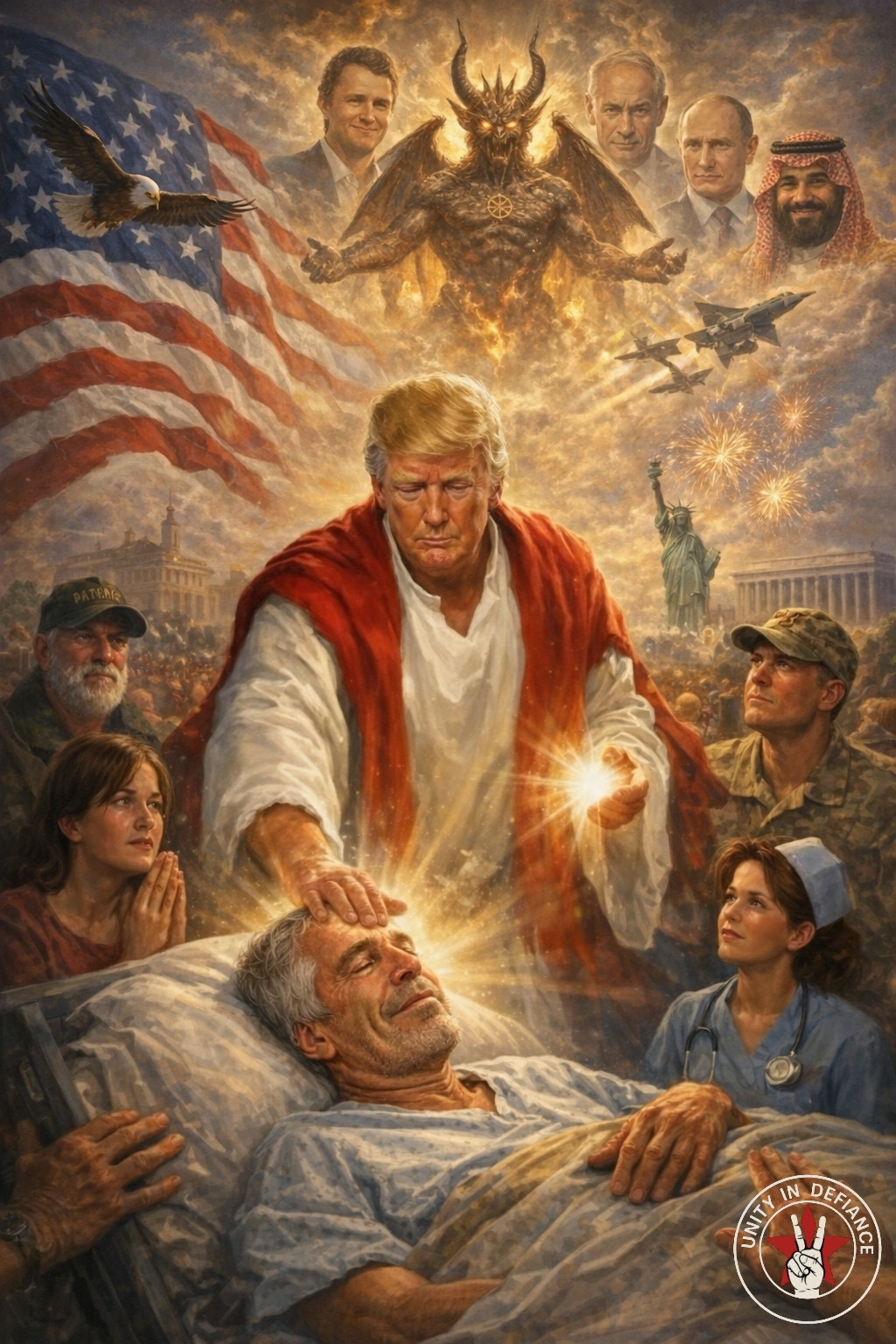
I'm worried about AI psychosis. Specifically, I'm worried about the psychosis that makes our "capital allocators" spend $1.4T on the money-losingest technology in the history of the human race, in pursuit of a bizarre fantasy that if we teach the word-guessing program enough words, it will take all the jobs. That's some next-level underpants-gnomery
...Trump-Orban supporters like Farage in UK and AfD in Germany are trying to back away from their public statements of support, but we have rhetorical receipts.
...the actual capability — the thing veterans need — can't be funded or managed as a coherent whole. You can't ask "how much does it cost us to process a claim?" in any meaningful way. You can't make sensible tradeoffs between investing in a legacy system and replacing it, because the dollars aren't organized to allow that question. The money is locked into boxes, and the boxes are organized around org charts and appropriations history rather than around what government is actually supposed to do.
...The international ramifications will be huge. Among other things, Orbán was an enthusiastic Putin lackey, doing all he could to sabotage European aid to Ukraine. Peter Magyar, who declared in his victory speech that "our country's place is in Europe," will presumably end the obstructionism.
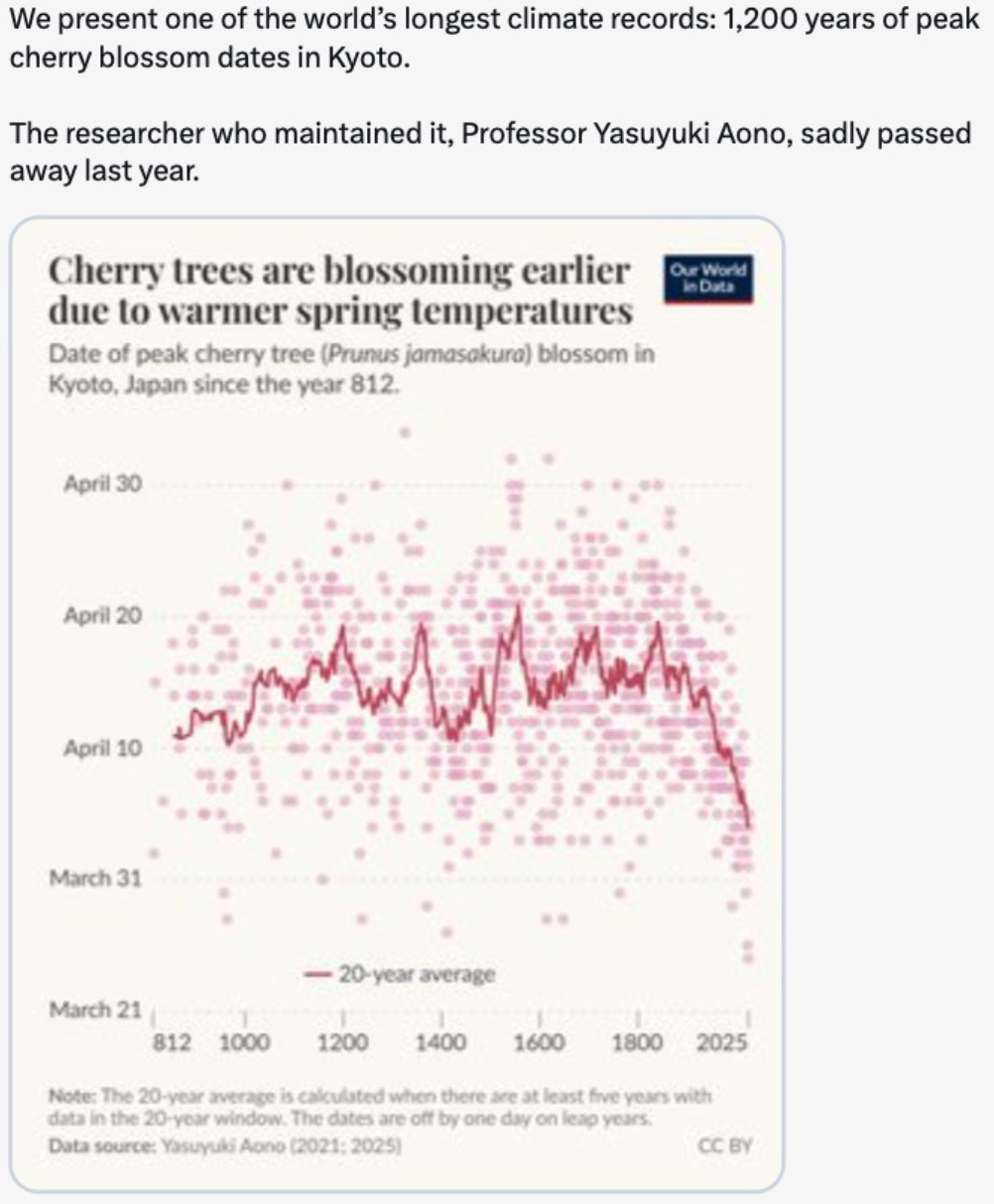
The assumption of inertia, that cultural and social continuity do not require explanation, obliterates the fact that both have to be re-created anew in each generation, often with great pain and suffering. To maintain and transmit a value system, human beings are punched, bullied, sent to jail, thrown into concentration camps, cajoled, bribed, made into heroes, encouraged to read newspapers, stood up against a wall and shot, sometimes even taught sociology. To speak of cultural inertia is to overlook the concrete interests and privileges that are served by indoctrination, education, and the entire complicated process of transmitting culture from one generation to the next.
... I am sure everyone has a similar experience when reading a book that resonates with you. Our understanding of language goes beyond the literal meaning of the words we read or hear. It calls for our own emotions, feelings, memories, and imaginations.
I'd always assumed that my stream of consciousness consisted mainly of an interior monologue, maybe sometimes a dialogue, but was surely composed of words; I'm a writer, after all. But it turns out that a lot of my so-called thoughts — a flattering term for these gossamer traces of mental activity — are preverbal, often showing up as images, sensations, or concepts, with words trailing behind as a kind of afterthought, belated attempts to translate these elusive wisps of meaning into something more substantial and shareable.
...His central point is that the meaning of language is conveyed through its everyday use by humans, through their shared contexts and practices.
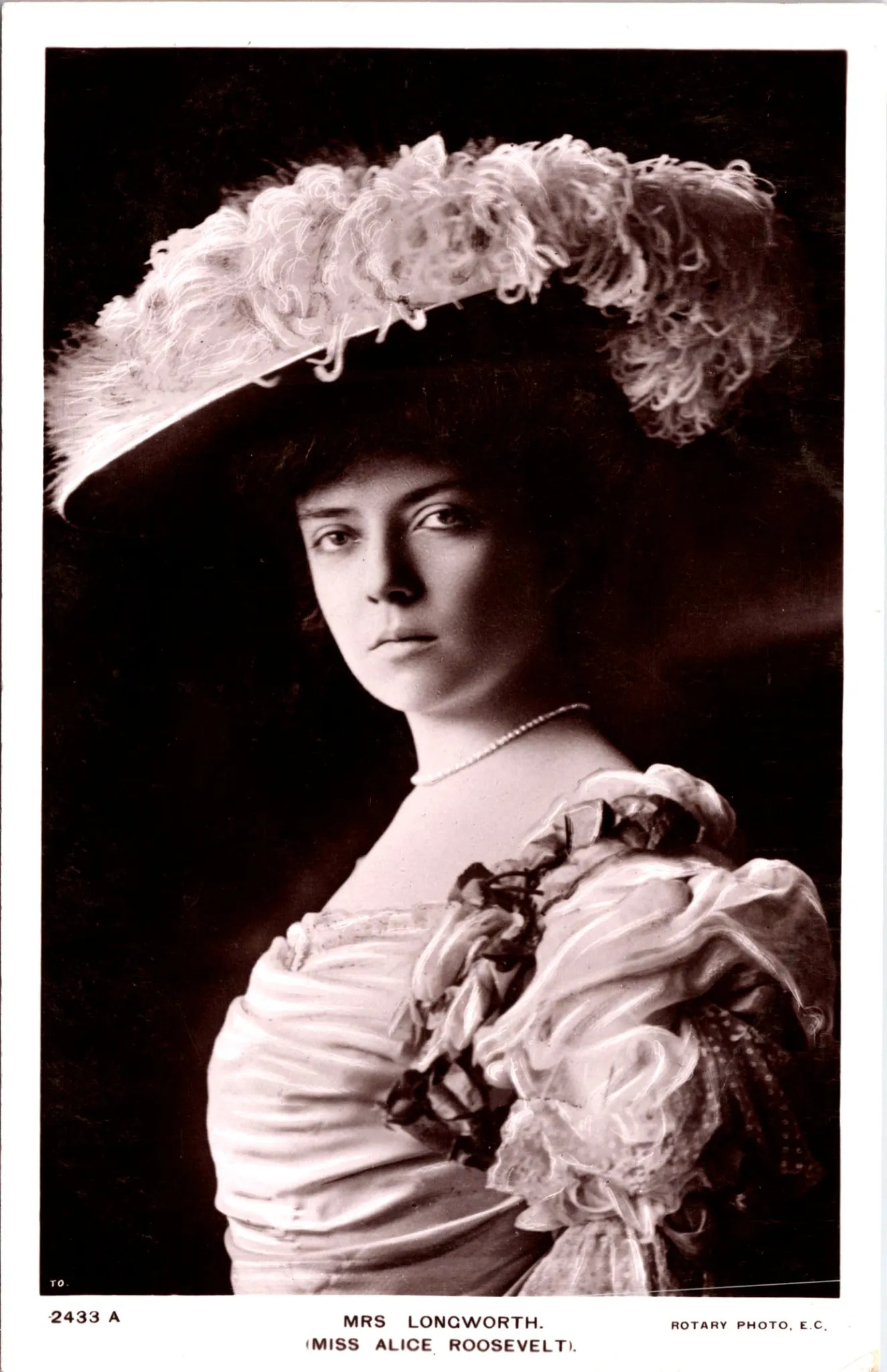
...Having spent nearly 50 years in Silicon Valley and having run global companies, Dave has watched multiple technology waves get interpreted primarily as economic optimization opportunities rather than human ones. Social media was the most recent and visible example. The same people responsible for designing algorithmically addictive platforms weren't necessarily malicious — they were operating inside a logic that rewarded engagement and efficiency above all else. The result, as Dave put it plainly, was that the money went where capitalism directed it, not where human flourishing required it.
...Ethnography of the wider Rationalist ecosystem aside — where AI apocalypticism is like a goth's white-powder foundation — the book has been picked up outside its home context and, perhaps, recontextualized as a manifesto. Doomsday scenarios, unfortunately, have a tendency to mutate. Tell a depressed or unstable 20-something — one who may have already been struggling with economic precarity — that the people running the AI labs are going to annihilate his future and that the window for stopping them is closing, and you have handed him a premise he can act on. Moreno-Gama's own writing is Yudkowsky with every caveat deleted and every call for non-violent political organizing ignored. Not a warning transmission from Berkeley; a shot fired from Texas. I don't believe this is "radicalization," as some are arguing, at least not in the conventional understanding of the word. But making available — not handing, but not hiding, either a loaded gun to an already-suicidal person is its own kind of problem, and it is not one that admits of an obvious fix. There are only superficially obvious ones.
...Something has changed, and it is not in the software. On April 9, 2026, Anthropic moved Claude Cowork out of research preview and into general availability across all paid plans. The announcement came with a sentence from Jackie Vullinghs, a partner at the venture firm Airtree, that captures the shift more precisely than any press release: "Claude Cowork became shared firm infrastructure rather than just an individual productivity tool."
...it whispers... and then keeps whispering the longer you stay with it. That's my kind of image.
Soft.
Indirect.
They slide, bend, intersect, and then quietly disappear into the grain of the ageless sandstone.

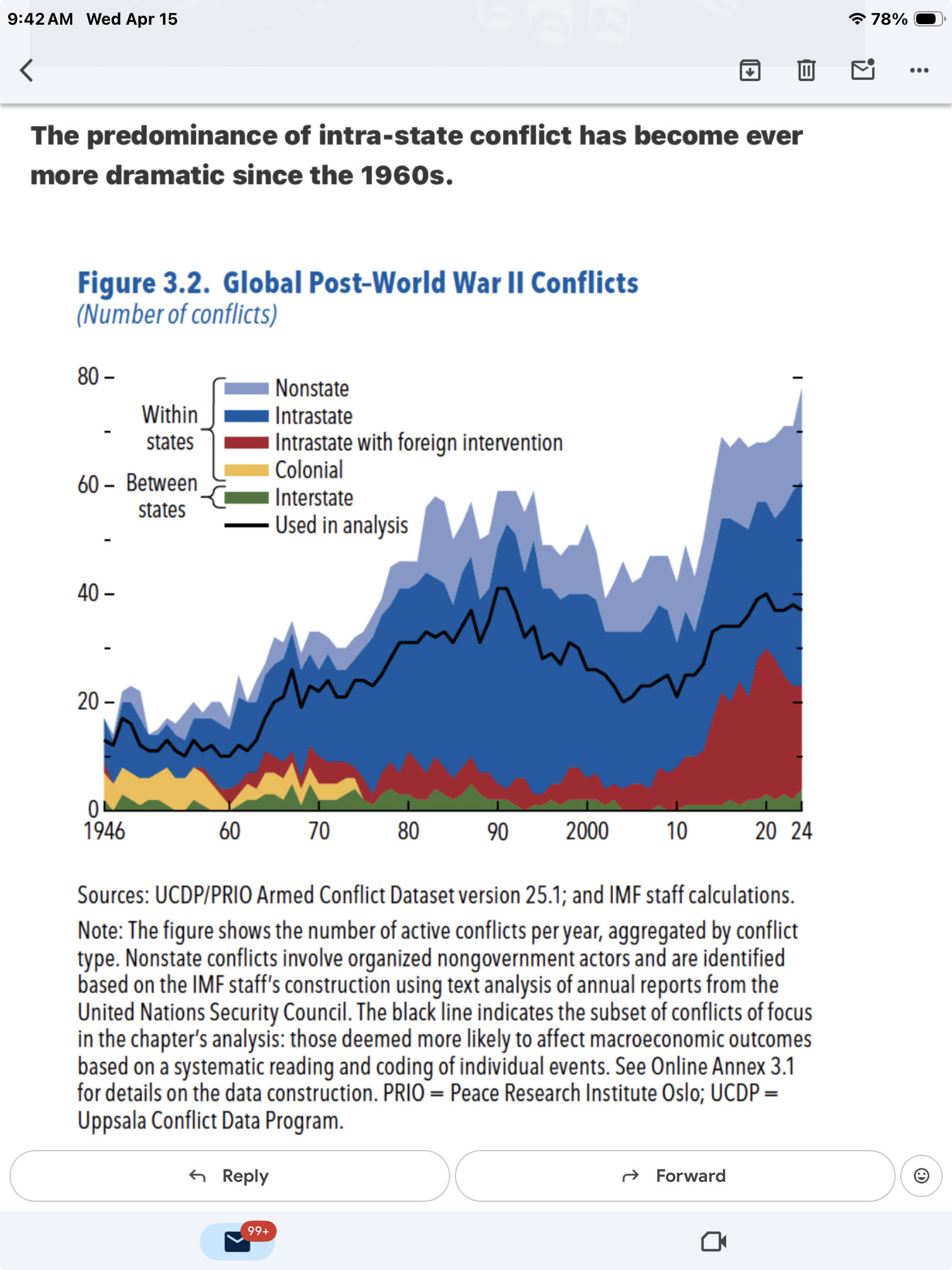
...We all mis-speak. We all have words that come to our lips. But they come to our lips at the wrong time because the rest of our mind has moved them to the front of the OIFO—often-in first-out—queue. This is precisely why such slips have always fascinated both psychoanalysts and political analysts. They are the cases in which the brain's autocomplete function malfunctions in public, and so gives us a glimpse of what is over‑represented in the background process: the “system prompt” in what is right now an unavoidable current metaphor.
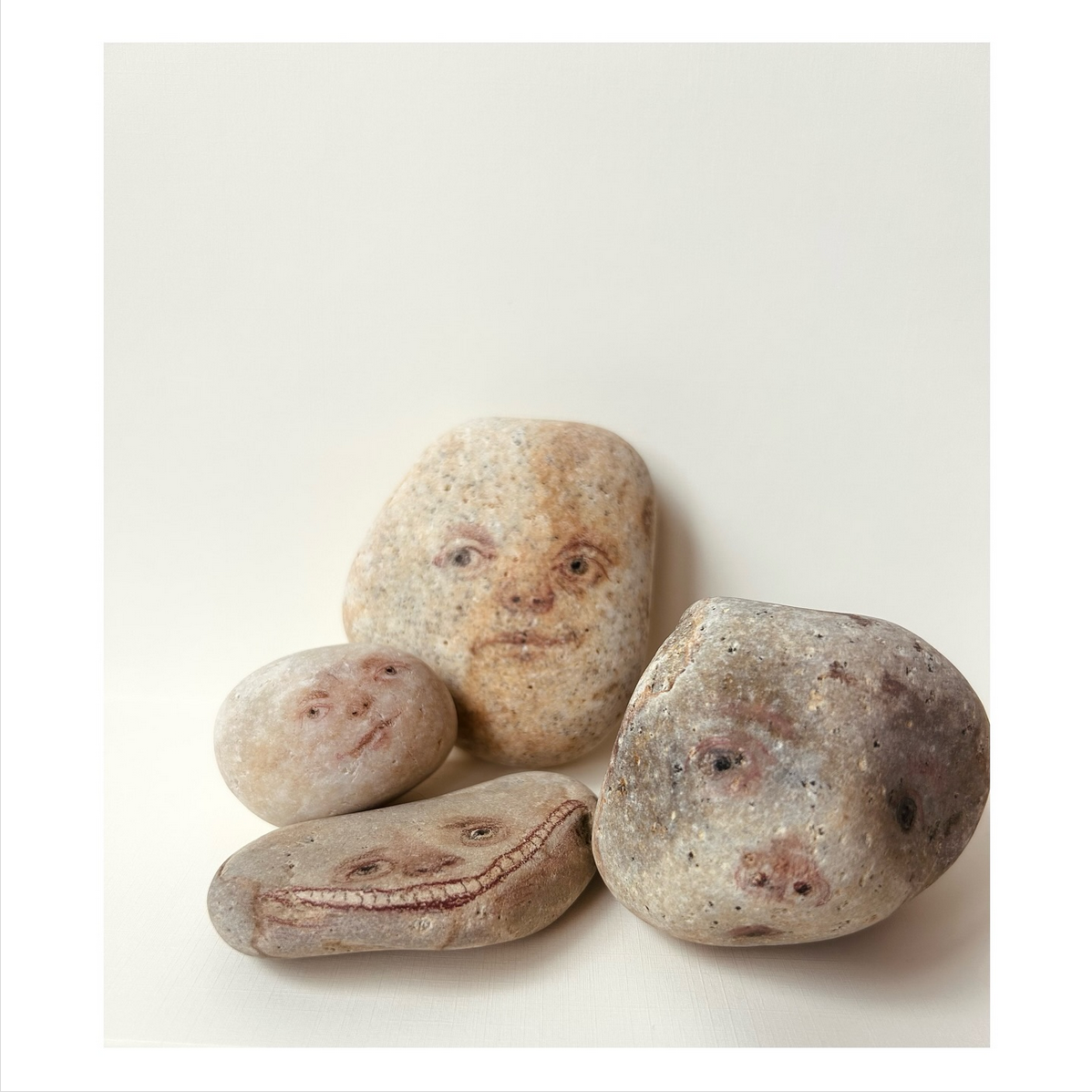
https://www.instagram.com/arismoore/p/DXMpECgjg-y/
The Arctic's growing mosquito problem Amanda M. Koltz and Lauren E. Culler
...Arthropods, which include mosquitoes, spiders, and other insects, are the most biodiverse animal group in the Arctic. These small, often overlooked organisms play key roles in ecosystems. They pollinate plants, recycle nutrients, regulate populations through parasitism, and sustain food webs that connect plants, wildlife, and people across the region. Their populations, distributions, and patterns of activity are shaped by environmental conditions, making them sensitive indicators of ecological change and, increasingly, drivers of that change. Yet arthropods are rarely monitored in a systematic way, leaving a critical gap in understanding how Arctic terrestrial ecosystems are changing.
...Sequencing increasingly depends on software as much as hardware. Artificial intelligence and machine-learning tools are widely used for variant detection, quality control, and workflow optimization. Beyond accelerating analysis, AI is contributing to a shift from closed systems toward more modular, interoperable ecosystems.
Ribosomes are some of the most fundamental molecular machines on Earth: the protein-making factories for all living things. And until recently, they were thought to be pretty much identical, at least within a species.
After modern humans made it to Europe some 50,000 years ago, they hunted and gathered in small groups for scores of generations. Then, 10,000 years ago, people in Europe began to farm and settle down. About 5000 years later, cattle herders from the steppes of Eurasia surged into Europe with the wheel and metal tools and weapons, ending the Stone Age and ushering in the Bronze. Cultural and technological changes kept accelerating, from the rise of the first cities to the spread of empires to our modern age of trains, planes, cellphones, and artificial intelligence.
...For millions living in the most populous U.S. state, the fog spawned where a cold ocean meets a Sunwarmed coast is like "natural air conditioning," says Peter Weiss-Penzias, an atmospheric chemist at the University of California (UC), Santa Cruz. It also delivers critical water for agriculture and ecosystems. Yet scientists don't know what makes some years foggier than others, how fog might change in a warming world, or what pollutants it carries
...IN 1951, at a conference at the University of Oxford, German physicist Heinz London set all of modern cryogenic cooling in motion with a casual suggestion. Liquid helium was already a common refrigerant at the time, good for reaching temperatures of about 4 K, its boiling point. But London suggested the cooling could be boosted by mixing normal helium (helium-4) with helium-3, an isotope with one less neutron. The idea was laughed off as fantastical. Colleagues questioned where London planned to source the gas. Helium itself, with an abundance of just 5 parts per million in Earth's atmosphere, is already a precious commodity. Helium-3, which constitutes 0.0001% of that helium, is extraordinarily rare.
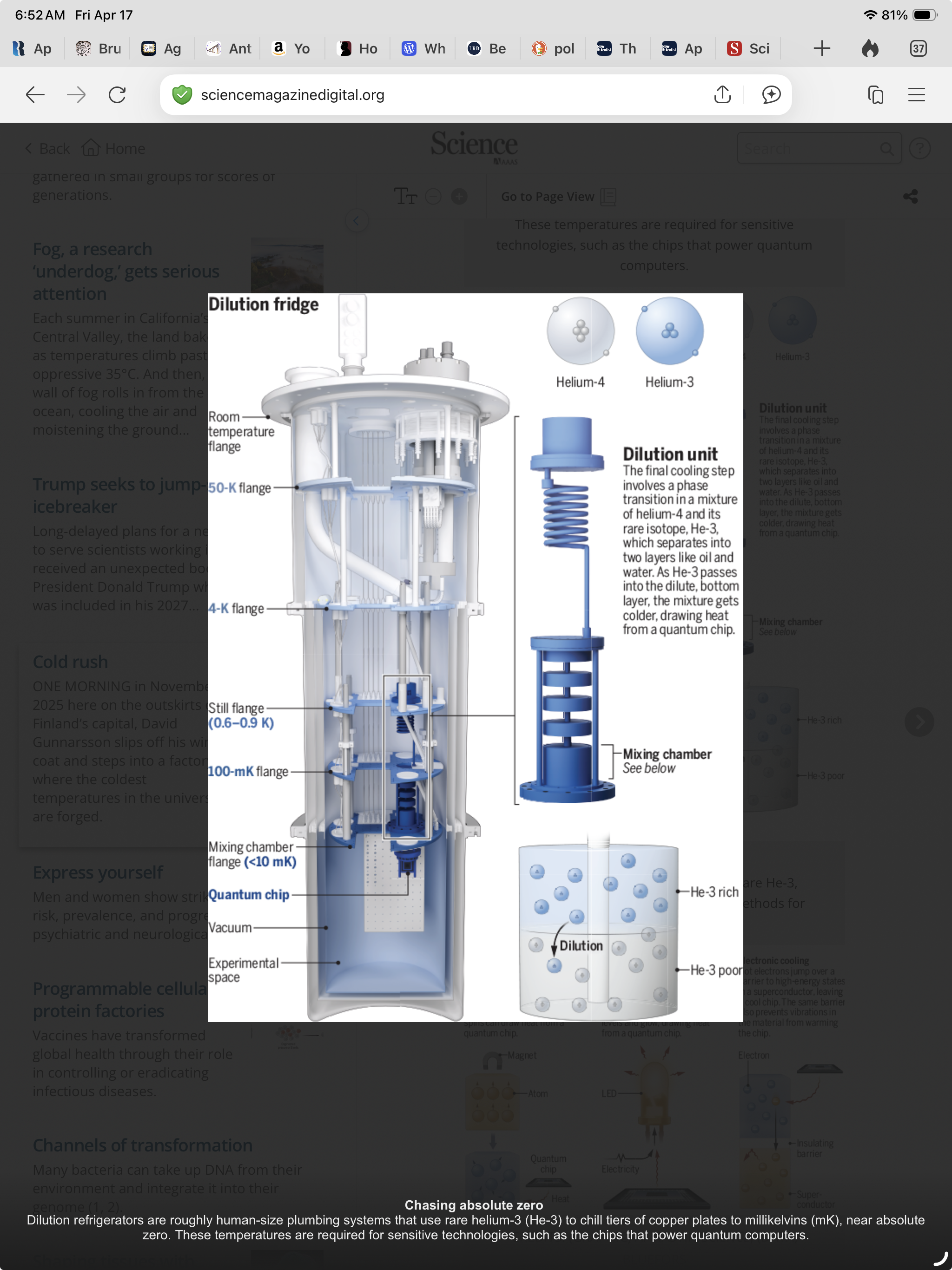
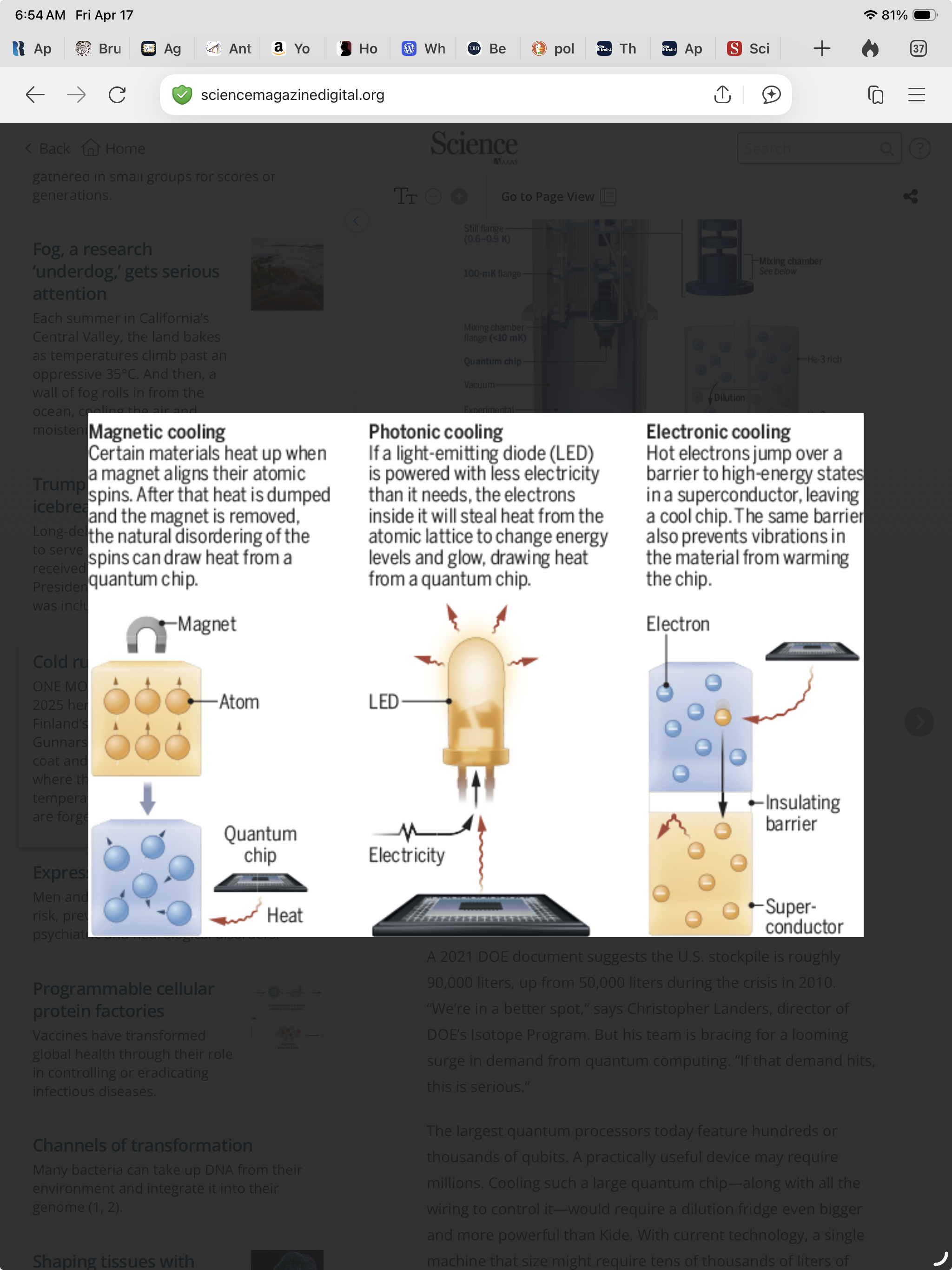
...Genetic programs and mechanical forces promote cells to grow, differentiate, and rearrange from a simple geometry into complex three-dimensional (3D) structures for specific physiological functions. This process, called morphogenesis, is important in developmental biology because it determines the shape and form of all living organisms. However, how identical cells coordinate to create tissues with precise shapes and patterns is still not well understood
...The Hairy Ball theorem, which describes the impossibility of combing a hairy ball flat without creating a whorl, implies that defects cannot be avoided entirely on any closed surfaces. Thus, topological defects may be prevalent in living systems, driving morphogenesis in developing or regenerating tissues
...the broader PM landscape has expanded to include gamified, large-scale digital trading platforms enabling continuous, real-time global participation across jurisdictions, some operating on crypto-based infrastructure and optimized for engagement over epistemic rigor
...Physicist Chanda Prescod-Weinstein's book The Edge of Space-Time: Particles, Poetry, and the Cosmic Dream Boogie refuses an old bargain of science writing, in which pedagogy is purchased by flattening the author's point of view. Instead, the reader is given a project that sings both the radio hits and the deep cuts of physics, set to an instrumental of different scholarly contexts, disciplines, and inspirations. The result is a work that treats science not as a sealed chamber of neutral ideas but rather as an intellectual practice shaped by social forces.
...In January, surface seawater near the southwestern Antarctic Peninsula had a microplastic concentration of 115,226 particles per square kilometer (1), which is 18 times the global median. Because they receive continuous inputs through atmospheric and oceanic pathways, the polar regions have become global sinks for plastic pollution (2). This ongoing accumulation, which increased by about 3% per year between 1933 and 2012 (3), is driven largely by particles with diameters of less than 50 μm that have been transported in the air for up to 6000 km
...An institution resolves a crisis in one of three ways, according to the authors. It makes durable deliberate change, it dies, or, most commonly, it rationalizes the failure into an accepted new normal. "Most large organizations contain programs and departments that passively accept abject failure: infinitely long backlogs, hospitals that kill patients, devastating school closures that do little to affect a pandemic. These are fossils of past crises where the organization failed to adapt."
...the great heist of mind that is social media — a system built to benefit the bottom line of companies by exploiting our psychological and physiological vulnerabilities, training us to be passive "user" of "content" rather than active participants in the co-creation of meaning that is literature
...How gum arabic — the ingredient that puts the gloss in Coke, Pepsi and M&Ms — is fuelling the conflict in Sudan (from Jeune Afrique)
In Sudan, in the savannahs of Kordofan and Darfur, millions of families depend on the acacia tree for their livelihood. They score its bark and collect the sap, which hardens into amber-coloured tears. Once dried and processed into a fine white powder, it ends up in a can of Coca-Cola, a packet of M&Ms or cigarette paper. Acacia is everywhere, under the name "E414" — a code that sounds industrial, yet gum arabic is entirely natural. It comes from the sap of a shrub that grows across the Sahel belt, where almost nothing else survives. An emulsifier, stabiliser, binding agent — entire sectors of industry depend on it. The food industry alone accounts for more than half of global production (around 100,000 tonnes per year), driven by beverages and confectionery. No chemist has yet succeeded in synthesising it.
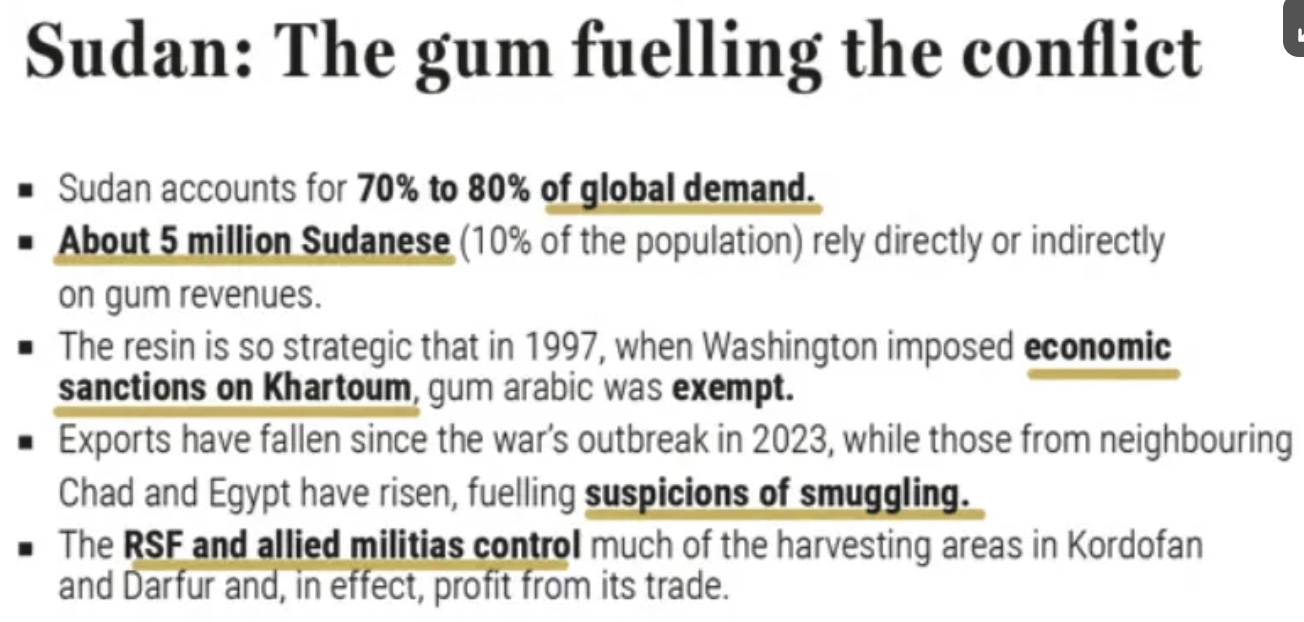
Microsoft just announced Fabric IQ. At its core: an "Ontology item." Palantir has been selling its "Ontology" as the backbone of enterprise AI for years. SAP, Salesforce, AWS — each has a version of the same story.
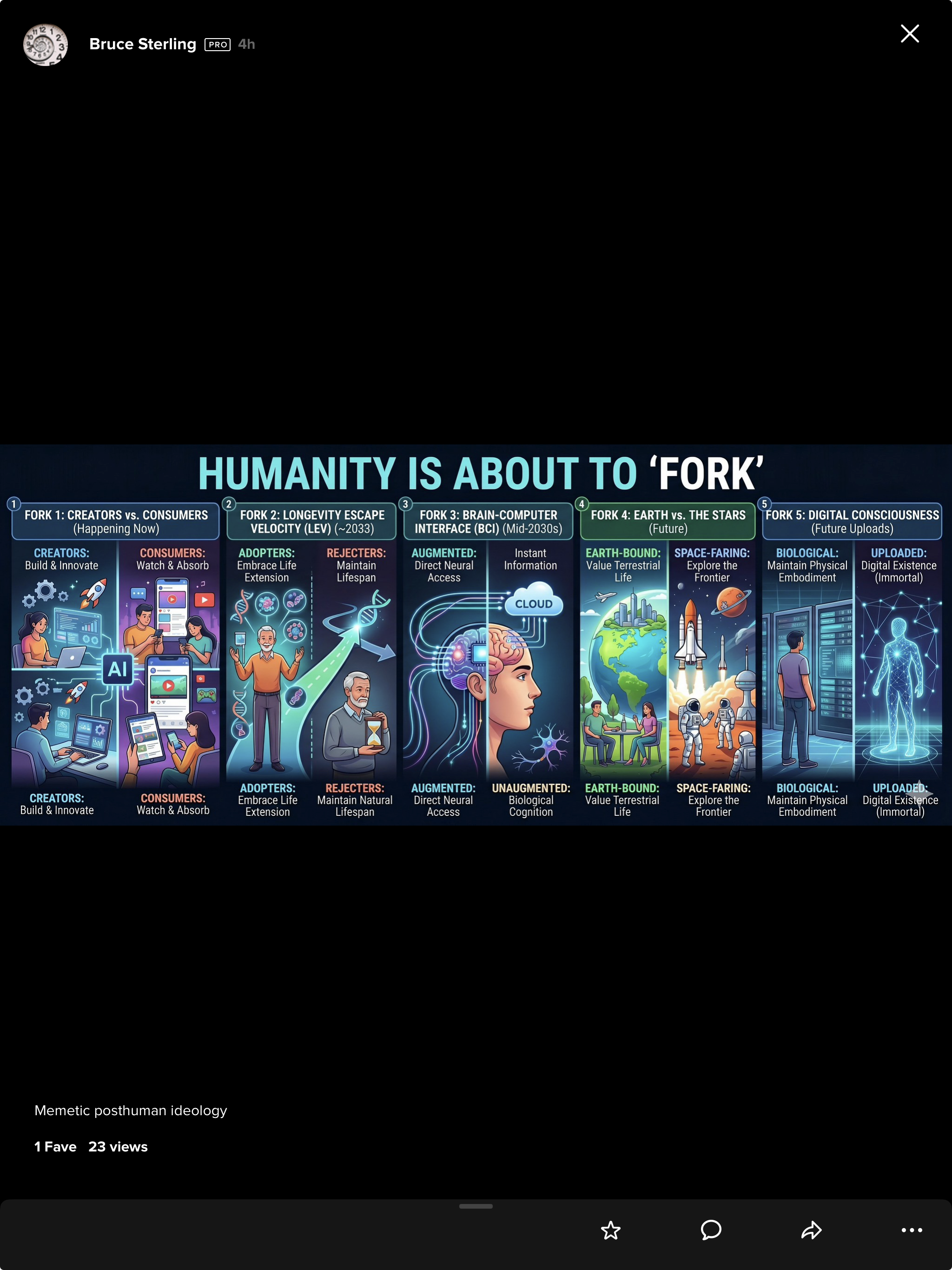

...Before the ACA, even upper-middle-class Americans often found it impossible to get health insurance if they had pre-existing medical conditions. Many Americans were trapped in jobs they wanted to leave but couldn't for fear of losing their employment-based coverage. Meanwhile, dire predictions from the usual suspects about runaway costs proved wrong. In fact, overall U.S. medical spending has grown much more slowly since the ACA was enacted than before.
...an excellent academic publisher, Edinburgh University Press, has made a fine job of it, including a cover design, at the editors' request, in tribute to the old Hogarth Press style. But the switch from a trade to an academic publication meant a daunting hike in price: in the US, it sells for $255.

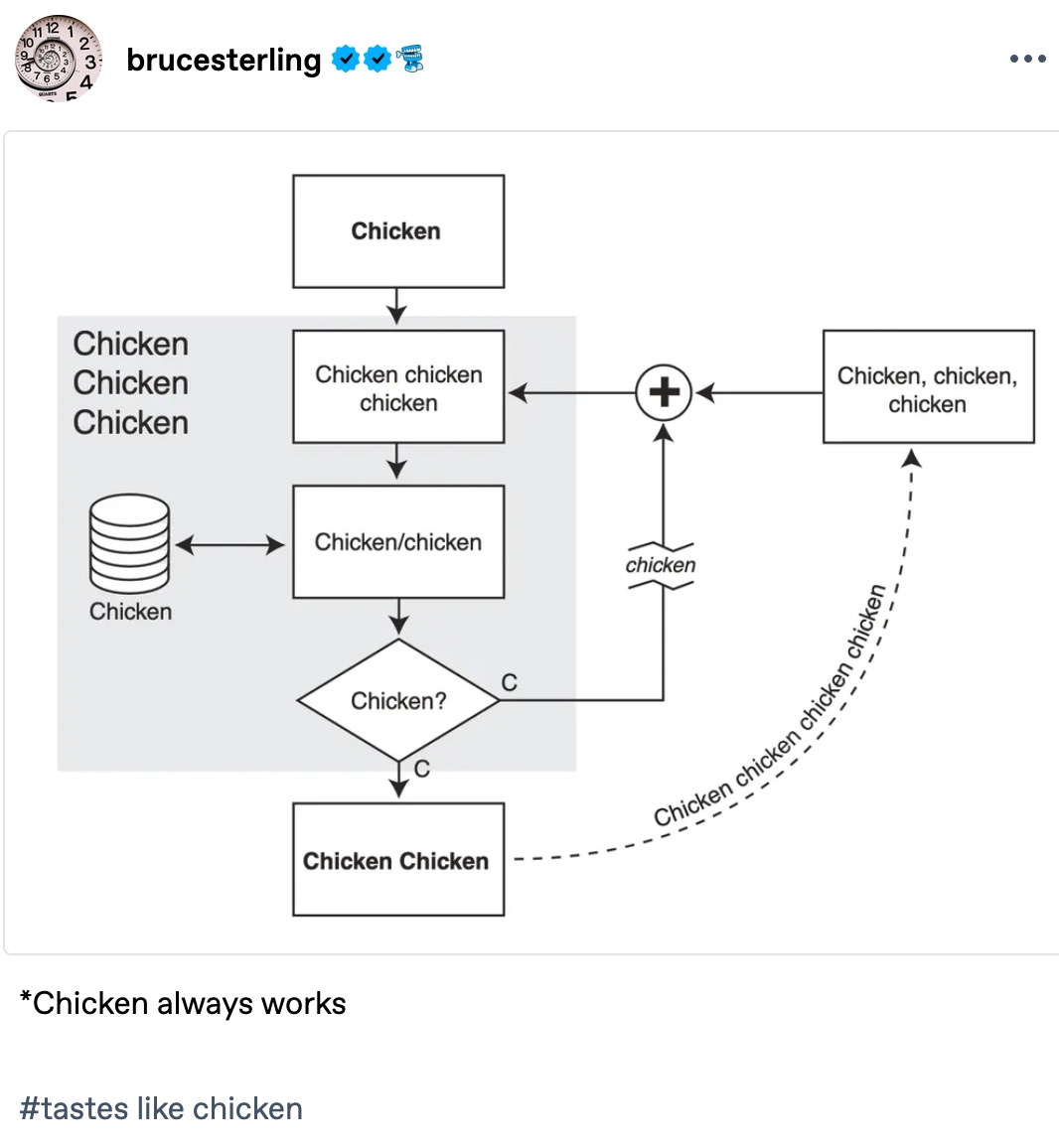

Mapterhorn is an open-source terrain data pipeline. Its core idea is deceptively simple: take the best available open elevation datasets from around the world, normalize them, and deliver them as a single, seamless, web-ready product.
...The International Monetary Fund raised the economic anxiety level last week with a projection of a global slowdown "in the shadow of war." Yet while the IMF brings great expertise to this subject, I think that it is seriously underestimating how badly the global economy could be hit. In my view, a full-on global recession is more likely than not if the Strait remains closed for, say, another three months, which seems all too possible.
...Disrupting the green revolution
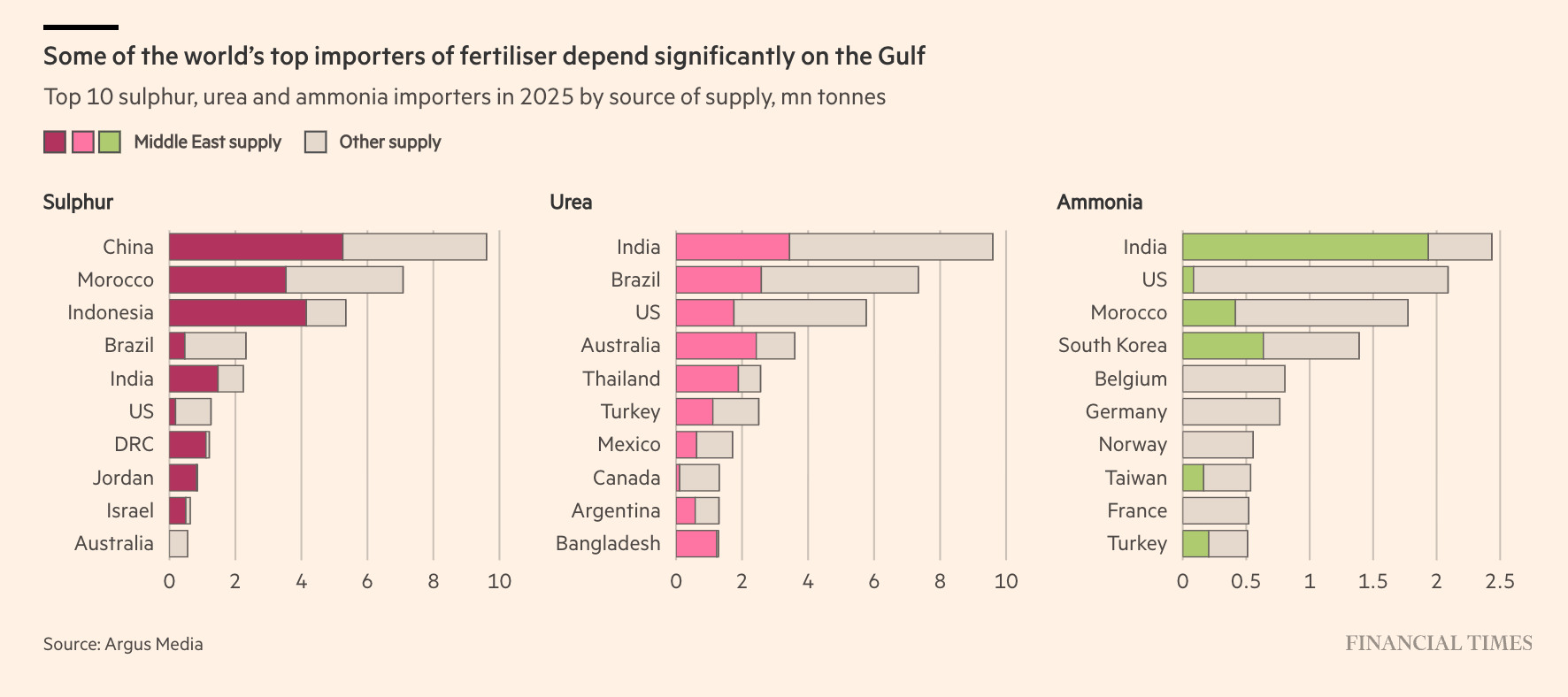
...Add in Trump's legal failures to prosecute his political enemies, to target universities and law firms, to impose his tariffs, and to mount defamation lawsuits — and you understand why the air around us is beginning to feel different.
There aren't a lot of things I agree with Mark Carney about, but there's one area where he and I are in total accord: the old, US-dominated, "rules-based international order" was total bullshit
9 vol web version via upenn and 14 volumes 1885-1887, alphabetical at archive.org and Preliminary List of Places, Rivers, etc., Alphabetically Arranged for the Imperial Gazetteer of India via Harvard
There are already loads of online tools available to help you create your own map posters. Many of these, such as Mapiful and Mapness, allow you to design your poster, pay a fee, and receive a high-quality print by mail.
...To eliminate noncompliant speech and independent thought, Big Brother creates "Newspeak" — a new language with far fewer words. A Party disciple explains it this way:
It's a beautiful thing, the destruction of words... The great wastage is in the verbs and adjectives, but there are hundreds of nouns that can be got rid of as well... The whole aim of Newspeak is to narrow the range of thought... In the end we shall make thoughtcrime literally impossible, because there will be no words in which to express it.
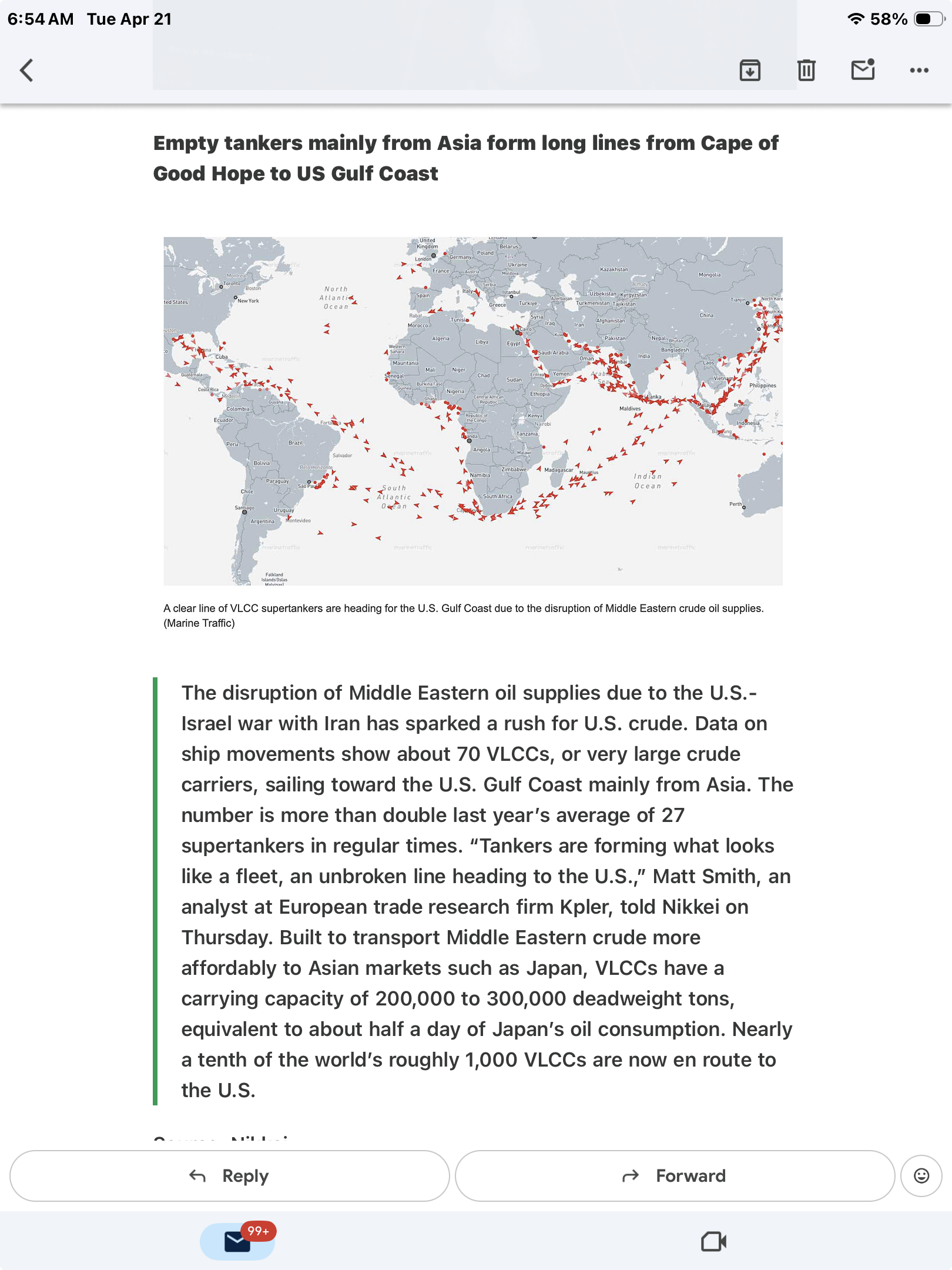
...seeks to describe the ideology that gave rise to Elon Musk, the social forces that gave rise to that ideology, and the terrible future that ideology seeks to bring about
...gathers contributions from multiple disciplines to investigate intersectional questions of how the changing planet affects specific peoples, communities, wildlife species, and ecosystems in varying and inequitable ways. A multisensory, artistic-archival supplement to the Mellon Sawyer Environmental Futures Project, the volume enriches current conversations bridging the environmental humanities and affect theory with insights from Native and Indigenous philosophies as well as by highlighting artistic practices that make legible the long-term durational effects of ecological catastrophe.
...The map draws on newly harmonised municipal-level data from the EU's Joint Research Centre and charts demographic change across roughly 100,000 localities over more than six decades — offering a detailed spatial analysis of European population trends since 1961.
"The Only Orange Monarch I Want Is a Butterfly."

...We've collectively decided that the information value of these markets outweighs the moral cost of treating human lives as tradable securities, and this (to me, at least, and I accept that I may be alone in this) that decision is a bleeding mistake.
...Alliances now are transactional only. National security has replaced economic efficiency as the main motivation behind global policies.
How did we get here? In the words of Ernest Hemingway, "Two ways. Gradually, then suddenly." That's exactly what's happening right now. The entire world order is going through changes. For decades, the post-World War II order worked. NATO as the security backbone of the West. Globalisation as the engine of growth. Free trade as the assumed default. These were systems, among other things, that run the world. But the world order is not looking great right now. The economic crisis of war is not pretty. There's so much instability and uncertainty.
...Alan Beattie on the US as a bandit:
Few things are as pedestrian and yet as alien as colors. They seem to be all around us, a property of the objects we see, yet they are only in our heads. Try to understand or even define them, and terms and concepts quickly blur and smear like the colors in a child's paint box.
South Korea's wind energy threatens flyway
...South Korea's wind energy threatens flyway South Korea is rapidly expanding offshore wind energy to meet carbon neutrality targets (1, 2). Although decarbonization is imperative, the energy infrastructure now underway threatens the Yellow Sea segment of the East Asian–Australasian Flyway. South Korea should avoid siting offshore wind projects in internationally important tidal flats and migratory bottlenecks and should require flyway-scale cumulative impact assessments before further construction proceeds.

Caucus Race aliceinwonderland.fandom.com
the real point of today's post, which is not the manifest cynicism on display. Rather, to grapple with the following point. I have remarked before that many prominent universities are exceedingly long-lasting corporations. They have endured, in part, by their willingness to exhibit context-sensitive prudence, alas. If, say, a well-entrenched, Bonapartist government wants a certain amount of conformism to its preferred viewpoints in public institutions and universities, it will usually be obtained eventually. Again not merely a hypothetical point; the forced departure by (former prime minister) Orban of CEU from Budapest is fresh in memory. Many nineteenth century European intellectuals may have been spontaneously nationalist and imperialist, but the governments also nudged the universities in appointing reliable pairs of hands.
...Monism allows for no such things as 'other occasions' in reality—in real or absolute reality, that is. The difference I try to describe amounts, you see, to nothing more than the difference between what I formerly called the each-form and the all-form of reality. Pluralism lets things really exist in the each—form or distributively. Monism thinks that the all-form or collective-unit form is the only form that is rational. The all-form allows of no taking up and dropping of connexions, for in the all the parts are essentially and eternally co-implicated. In the each-form, on the contrary, a thing may be connected by intermediary things, with a thing with which it has no immediate or essential connexion. It is thus at all times in many possible connexions which are not necessarily actualized at the moment.
Iliad sung Victor Mair at Langage Log
25iv25

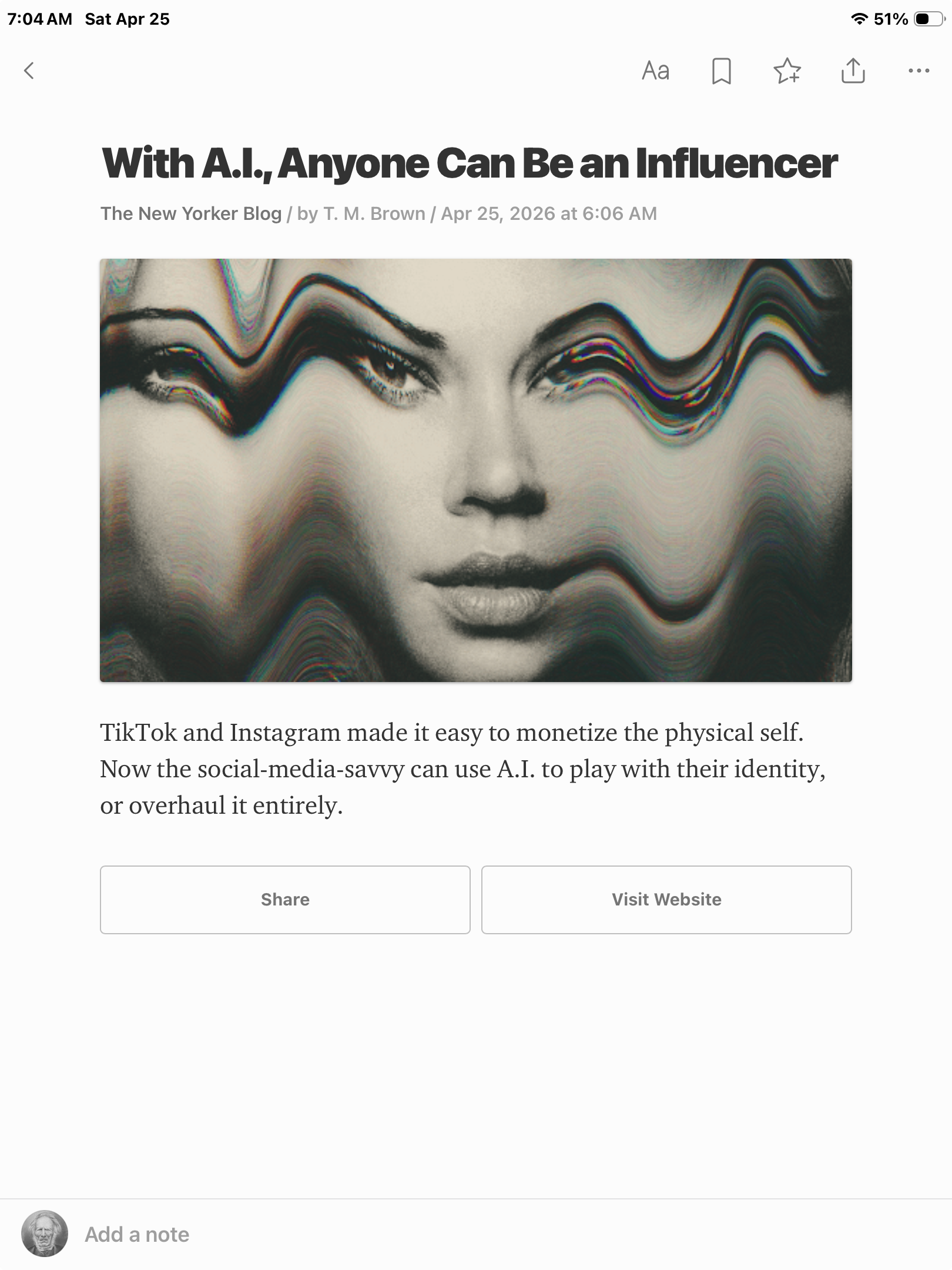
With A.I., Anyone Can Be an Influencer The New Yorker
When Your Digital Life Vanishes The New Yorker
How to Use Graphify: Turn Any Folder Into a Knowledge Graph Ana Bildea, PhD at Medium
...Andrej Karpathy recently described his personal knowledge workflow: dumping papers, screenshots, and tweets into a raw folder, then using an LLM to compile everything into a wiki and navigating it with Obsidian.He ended his description with a challenge: "I think there is room here for an incredible new product instead of a hacky collection of scripts."
Graphify is that product. It takes a fundamentally different approach to context. Instead of feeding raw files to your AI assistant, it builds a persistent, queryable knowledge graph from your code, docs, papers, images, and video. It then serves compressed subgraphs to your AI assistant.
Here is a step-by-step guide on how Graphify works under the hood, and how you can use it to reduce your token usage by up to 71.5x.
Forget Gaudí: Limpets Drew the Compression Arch First JF Cudennec at Medium
In which a palaeontologist maps everything that could have been, and the simplest-looking mollusc excels at solving engineering problems....The limpet body plan, a low cone clamped against rock, has evolved at least fifty-four times independently across every aquatic habitat on Earth, in organisms as distant as gastropods and barnacles. I have taken to calling this recurrent flattening limpetization: a convergent evolutionary trajectory that pulls wildly different ancestors back toward the same shape whenever they end up clinging to a hard, wave-exposed substrate. At that level of repetition, coincidence stops being a plausible explanation, and one question follows directly: why does this shape work so well ?
...for an organism fixed to bare rock, spending eight hours underwater and eight hours exposed to air, this is one of the most physically punishing habitats anywhere on Earth. Surface temperature can swing thirty degrees Celsius in a few minutes when the tide comes back in. Wave forces, as the biomechanist Mark Denny has documented on exposed shores, routinely exceed anything a terrestrial organism encounters: a hydrodynamic regime closer to a permanent hurricane than to anything we intuitively associate with the sea. Between tides, desiccation and ultraviolet radiation take over. Predators arrive and leave on a lunar schedule, both from the sea (crabs, fishes) and from the air (mainly birds, sometimes me). And yet every square centimetre of workable rock is occupied. Space, here, is among the scarcest resources of all.
...When Antoni Gaudí was designing the vaults of the Colònia Güell, he hung weighted strings from a wooden frame and photographed the catenary curves they formed under gravity, then flipped the image. The arch that gravity drew in tension would, when inverted, stand in pure compression: no bending stress, no risk of lateral failure.
D'Arcy Wentworth Thompson, a Scottish naturalist and classical scholar, made an equivalent assertion for biology. His 1917 book On Growth and Form is difficult to classify: part physics treatise, part natural history, part polemic. Its central claim is that the form of any organism is a diagram of forces. The geometry of a living structure resumes the mechanical history that produced it. Read the shape, Thompson argued, and you recover the physics. Bones are loaded beams. The spiral of a Nautilus is the geometry of steady incremental growth. And a limpet's cone, sealed against the rock, is the answer to a very specific set of physical demands: a compressed cone enduring constraints similar to those of Gaudí's architecture.
The limpet's adhesion differs from barnacles or mussels systems in its ability to switch from a stiff, long-term adhesion and locomotive adhesion, depending on the tide and wave actions. This system relies on three components that cannot be separated in practice. The first is mucus, secreted by the foot, which behaves as a non-Newtonian fluid. It flows freely when the animal is moving, allowing the foot to slide and reposition; under sudden mechanical stress, it stiffens, behaving more like a solid than a liquid and gluing the limpet to the rock. It maintains a controlled interface that resists exactly the kind of impulsive loading a wave (or a passing boot) delivers.
The second component is the muscular foot itself. When the animal clings at rest, sustained contraction pulls the central sole slightly away from the substrate while the rim stays sealed, generating a zone of negative pressure under the foot. Closer to suction than to glue, although neither word quite captures it. The combined force can reach around ten kilograms per square centimetre, enough to make manual removal genuinely difficult without a tool. And the animal itself contributes to the fight: any sudden disturbance triggers a reflexive contraction, which anyone who has tried to remove a limpet by hand has learned the hard way. You have to take them by surprise on the first attempt. Miss it, and you won't be able to dislodge it without completely crushing the shell.
The third component is the interaction between the two. The mucus only performs as described when it is loaded through the specific geometry of the sealed foot, and the suction only holds when the mucus maintains the seal. Shell, mucus, muscle: three layered solutions to the same problem, none of them sufficient on its own.
26iv26
Overton Window
Overton window WikipediaThe Overton Window of Extraterrestrial Normalization Nafeez Alam at DC Journal
The Overton window concept describes (and helps) agents of change Andy Boenau (2022) Urbanism Speakeasy
..."The Overton window" refers to the range of ideas that are acceptable or mainstream in public discourse at a given time.The Overton window is shaped by public opinion, media coverage, influence of special interest groups, and actions of political leaders. Ideas that fall within the Overton window are more likely to be discussed and debated in the public sphere, while those that fall outside of it may be considered too extreme or fringe to be given serious consideration. The window shifts over time as public opinion changes, making new ideas acceptable and mainstreaming previously unacceptable ideas.
Normalization Engines Conversion Capital
Reichstag Fire Wikipedia
reddit on who was behind the Reichstag Fire
The Force and the Flower: Poet and Potter M.C. Richards on Creativity Marginalian
Fleeing Vortices Andy Ilachinski
[Physicists and naturalists cannot] look down from a great height upon a world which their consciousness could penetrate without being submitted to it or changing it. [...] a more complete study of the movements of the world will oblige us ... to discover that if things hold and hold together, it is only by reason of complexity, from above.Hence we find our minds instinctively tending to represent energy as a kind of homogeneous, primordial flux in which all that has shape in the world is but a series of fleeting 'vortices'. [...] each new being has and must have a cosmic embryogenesis ...
Science, philosophy and religion are bound to converge ... but without merging, and without ceasing, to the very end, to assail the real from different angles and on different planes.
Teilhard De Chardin (1881- 1955)
The Phenomenon of Man
27iv26
The Many Forms of Marcel Duchamp Hilton Als at The New Yorker
...the first retrospective of Duchamp's work in North America since a 1973 exhibition, also shown at MoMA, mounted by the legendary curators Anne d'Harnoncourt and Kynaston McShine
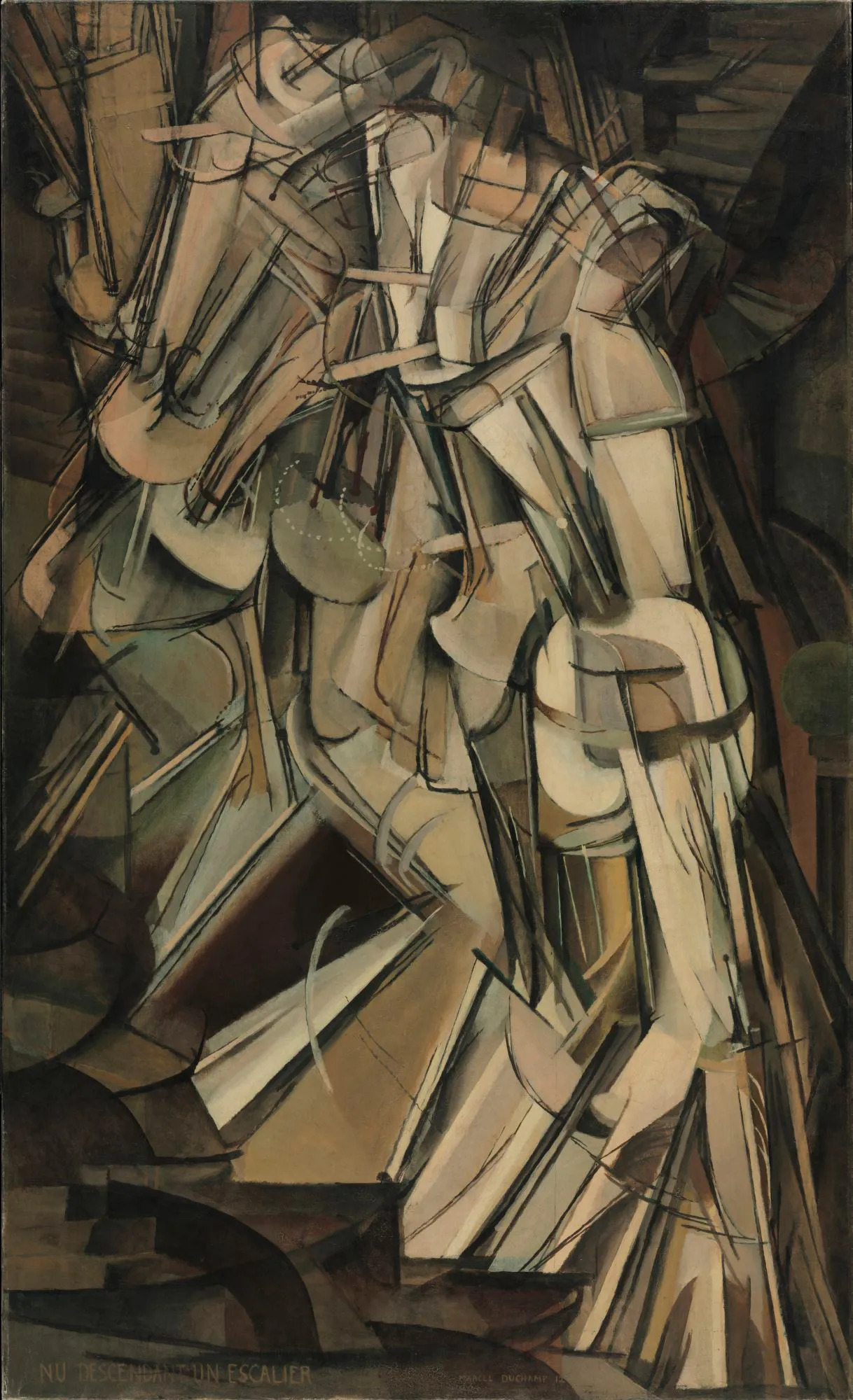
Trump just killed the Reflecting Pool's iconic mirror effect boing boing
Grandpa Pudding Brains offends quite easily boing boing
Trump's War on Iran Is Really Messing Up the Tech That Runs Modern Life gizmodo
The Loop: everything has happened before, and everything will happen again JA Westenberg
...Humans do near-identical things, over and over again, across history. And we do it because our cognitive equipment hasn't changed — the brain running a 21st-century civilization is a Paleolithic brain, shaped by 200,000 years on the savannah and another 10,000 years in small agricultural settlements, and it fears the same things our ancestors feared, and it wants the same things they wanted, and it fails in the same ways.The loop itself is, in fact, our operating system.
Everything else, the political systems, the technologies, the languages, the ideologies, is the application layer. Applications change, but the operating system doesn't. When an application throws the same error message in Rome, in Berlin in 1933, in Phnom Penh in 1975, and on a Saturday afternoon in a suburban American town in 2024, the error sits in the kernel — and the kernel is not getting patched.
...The financial bubble (and by that I mean every financial bubble) is the cleanest version of the loop there is. Prices rise, greed overrides caution, debt piles on debt, and the floor gives way. Within ten years the same people, or their children, do it again. And again. And again.
...somehow the profession of finance is built on the assumption that markets aggregate these miscalculations into wisdom. They don't. They aggregate them into stampedes, and herd cognition does the rest. When everyone around you is buying, the cost of not buying is financial + social. You miss the gain, and your neighbor gets rich, and your brother-in-law mentions it at dinner. The brain treats this as a threat to status, and status, in primate terms, is survival. Solomon Asch's conformity experiments in 1951 showed that ordinary people will deny the evidence of their own eyes rather than disagree with a confident group, and bubbles are Asch experiments with money on the line.
Every bubble ends with the same discovery, which is that the asset was never worth what it traded for; every bubble starts, though, from the matching belief that this time, it is.
...When a society is in pain, it finds someone to blame. Rarely the structure. Rarely the people who benefit most from the structure. Always someone weaker, someone already marginal, someone who can be sacrificed without the majority feeling the cost. Jews in medieval Europe during the Black Death, when entire communities were burned alive on the accusation that they had poisoned wells, and Jews again in Weimar Germany during the hyperinflation. Catholics in Elizabethan England, hunted by priest-catchers who were paid by the head, and Chinese merchants in Indonesia in 1965, and again in 1998. Tutsis in Rwanda in 1994, 800,000 dead in a hundred days, killed with machetes by neighbors who had lived next door for generations. Muslims in post-9/11 America. Immigrants, always, everywhere.
...Every new tool that reshapes a society follows the same arc: it gets pitched as utopia, adopted before anyone understands it, panicked about ten years too late, and regulated (badly) ten years after that. By the time the culture has a theory of what the tool does, the social fabric has already been re-stitched around it, in a structural mismatch between the speed of technological change and the speed of social adaptation. The brain adopting a new tool has never been the brain that understands its second-order effects, because the lag is biological. The telegraph took 50 years to saturate the industrialized world, but the internet took 20, and the smartphone took 10.
And generative AI has taken half of that to be near-ubiquitous…
...The moral panic follows the same sequence every time. A new thing emerges that the older generation doesn't understand, and someone somewhere claims it's destroying children. The media amplifies the fear, and legislation follows. The panic burns out.
Then, twenty years later everyone agrees it was overblown.
Then, the next one begins.
The moral panic is a reaction to a loss of control; it's the terror that arises when a parent, or a culture, realizes the next generation is building a world they can't enter. The target changes every twenty years, but the terror doesn't change at all.
...Empire is an emergent property of human social organization at scale. Dominance hierarchies scale, as they always have, and they always produce the same endpoint: a system too large to govern, too expensive to maintain, too proud to contract voluntarily. The final stage is denial. The senators in Honorius's Rome debated traditional agricultural policy in 410 CE while the Visigoths were sacking the city; the Ottoman Porte in 1911 was still issuing decrees about the administration of the Balkans after it had lost them; the bureaucrats of the Third Reich set a record for how many memos they were writing and sending in 30 days or so befoe Hitler's suicide; the British government after Suez spent a decade insisting that the empire was managing an orderly transition, a phrase that meant nothing because nobody was managing anything; the Soviet Politburo in 1988 was discussing the modernization of Cuban sugar exports while their own economy imploded.
When the center begins to legislate the future of a periphery it no longer controls, the collapse is already underway.
...Deforestation in Mesopotamia by 2000 BCE left the fields salt-crusted and the population migrating; soil depletion in Roman North Africa turned the granary of the empire into desert within three centuries; the residents of Easter Island cut down every tree on the island, lost the ability to build canoes, and were reduced to eating the dead by the time Europeans arrived in 1722; the 19th-century guano trade reshaped Pacific geopolitics around bird excrement until the deposits ran out. Whale oil, coal, petroleum, silicon, compute, housing etc. And on it goes.
Every civilization finds a resource, builds itself around that resource, burns through it, and either collapses or scrambles for the next; it's temporal discounting, the brain's systematic undervaluation of future consequences relative to present rewards, running at civilizational scale. The Atlantic cod fishery off Newfoundland was fished every year for 500 years, and then, in the decade after 1992, it collapsed and has never returned.
The Canadian government knew the catch was unsustainable in the 1980s, but the boats went out anyway. They had mortgages to pay. Every generation knows it's borrowing from the future, but no generation stops. The cognitive machinery that would allow them to care enough doesn't exist
...The French revolutionaries executed a king and installed an emperor.
The Bolsheviks overthrew a tsar and built a new one, with secret police larger and more thorough than the Okhrana had ever been. The Iranian revolution deposed the Shah in 1979 and produced a theocracy whose morality police have arrested more women than SAVAK ever did. The anticolonial movements across Africa and Asia expelled foreign rulers and produced domestic dictators within a generation. The tech companies "disrupted" monopolies and became monopolies. Every revolution promises a break from the past and delivers a reproduction of it.
This is close to structural; the act of seizing power requires the construction of hierarchies, the concentration of authority, and the suppression of dissent, the exact things the revolution was against. The tools of liberation turn out to be the tools of control…they have to be, because they're the only tools that work
...Every loop has someone who sees it coming, and they're never believed.
The evidence is strong, but the warning is unwelcome, and unwelcome beats true...
Jeremiah in Jerusalem before the Babylonian conquest was ridiculed in the temple courts, and thrown into a cistern, only to be vindicated after the fact by the destruction of everything he had warned about. Cato the Elder ended every speech with Carthago delenda est until his colleagues stopped listening. Churchill in the 1930s, was frozen out of government, still warning about German rearmament to a House of Commons that preferred to discuss cricket. Eugene Stoner testified before Congress in the 1960s about the inadequacy of the M16 rifle he had designed, and the Pentagon ignored him until American soldiers in Vietnam started being found dead with their rifles in pieces in their hands. The climate scientists of the 1980s, whose testimony was televised and archived and treated, for four decades, as the background noise of cable news. The economists who called the 2008 crash, including Raghuram Rajan at Jackson Hole in 2005, and were told by Larry Summers that their analysis was "slightly Luddite." The epidemiologists who warned about pandemic preparedness in 2015, whose reports were filed, then forgotten, then pulled off the shelf in March 2020 when there was no longer time to act on them.
...The bubble loop has been shortened in some respects by regulation and lengthened in others by cheaper borrowing; the scapegoat loop has been softened in many places by norms of tolerance, which the current decade is stress-testing; the empire loop has been delayed for the United States by a combination of military spending and currency dominance, neither of which is permanent; the invention loop has been accelerated by every successful attempt to regulate it, because the regulation creates markets for jurisdictional arbitrage that didn't exist before.
We're very good at making the loops run faster.
We're not so good at stopping them.
The loops persist because the brain persists, and you can build a fence around a feature of human cognition. You just can't. The loops are a tendency of the species, and you can push back against a tendency within limits that go only so far.
Seeing the loop while you're inside it is a good deal harder than it sounds. Every bubble feels like a new era, and everyone saying otherwise sounds like a total bore. Every strongman feels like a savior, at least until the night he stops taking questions, and every scapegoat feels like a real enemy, because your cousin lost his job last month and somebody has to have taken it. Every war feels necessary. Every panic feels justified. Every empire feels eternal and every new God feels true. Every resource looks infinite right up until it isn't. Every revolution feels pure for about eighteen months. Every Cassandra looks hysterical.
Every mistake of the past was made by people who were certain they weren't making it.
Trump media company replaces ex-congressman Nunes as CEO after stock plunge that wiped out billions APnews.com
Gilgamesh translated Victor Mair at Language Log
...Reading though this review, I often find myself celebrating his uncanny ability to find the mot juste at the very moment when I was wondering how he would extricate himself from a difficult, intricate sentence / thought....This is not a museum-piece translation, a dusty tablet behind glass, but a reanimation, a voice tugged up from the clay and made to speak again in a tongue that is ours. Mr. Armitage writes with a poet's mastery of rhythm and rupture, refusing both the sterile fidelity of the scholar and the vulgar opportunism of the adapter. His is an epic that breathes—raggedly, unevenly, but thrillingly alive.
Smart Glasses & Global Cultures Giles Crouch
...We have to consider the cultural context for technological acceptance. Take high and low context cultures as a starting point. Low-context cultures (Germany, Nordic Europe, US, Canada) rely on explicit information; words, labels, written rules. Whereas high-context cultures (Japan, much of the Arab world, Asia, sub-Saharan Africa), rely a lot on situational meaning, relational history (a shared narrative over a long period), and non-verbal signalling, like head nods and expressions (a smile isn't the same everywhere.)...Smart glasses are a very, very low-context technology. They overlay explicit information over a visual field. So cultures that don't want, or need such explicit information won't find them very useful. They can't, for example, understand the nuances of head movements in Indian cultures.
...South Korea: This is a very aesthetic driven culture and very visually self-conscious society. In South Korea, glass are seen as both a signal of intelligence and authority at the same time. Smart glasses in Korea will likely succeed first as a male status object, and will be heavily shaped by the extreme peer-visibility of Korean digital culture.
...India and South Asia: In India, glasses are regarded as a cultural symbol of wisdom and knowledge. And eyes carry significant meaning not just in India but Islamic traditions. The gaze concept in Hindu traditions, the evil eye (nazar) in Islamic, Hindu and Buddhist traditions of "right seeing". So in some villages and regions, smart glasses may be seen not as neutral but as anxiety inducing because of the concept of the watchful eye. Pakistan, Bangladesh, Sri Lanka, Nepal will likely see an even slower adoption of this technology.
Ethics in the way of scale flowing data
...All the while, money keeps gushing in. You start out transparent, sharing your journey, but then before an initial public offering of shares, you must honor the S.E.C.-mandated quiet period and restrict promotional communications. After that, the transparency never quite returns. The market demands a rising stock price. Your company still makes a lot of software, but a huge amount of time goes to tax strategy and compliance.At that scale, people start to blur together, and human users can become aggregate pools of statistics and growth vectors that go up and down — a mulch into which you plant your products
Vicky Osterweil's "The Extended Universe" Cory Doctorow
Vicky Osterweil's The Extended Universe: How Disney Killed the Movies and Took Over the World makes the kind of long, polemical, startling and illuminating argument that defines great cultural criticism; it's the sort of book that encapsulates the reasons I read criticism in the first place...Osterweil also makes a sharp and well-argued case that intellectual property, colonialism and racial oppression are all facets of the same drive, the drive of people who fancy themselves born to rule to dominate others, which requires that those others also be dehumanized and their work denigrated. When Walt Disney insisted that his be the only name associated with "his" movies, he was playing out the same logic that underpinned his virulent opposition to labor unions and his participation in American imperialism in Latin America.
... Today's links Vicky Osterweil's "The Extended Universe": How Disney killed the movies and took over the world. Hey look at this: Delights to delectate. Object permanence: Zappa v censorship; Chemistry set with no chemicals; Short cons; Mitsubishi's Dieselgate; "Bellwether." Upcoming appearances: Berlin, NYC, Barcelona, Hay-on-Wye, London, NYC. Recent appearances: Where I've been. Latest books: You keep readin' em, I'll keep writin' 'em. Upcoming books: Like I said, I'll keep writin' 'em. Colophon: All the rest. The Haymarket Books cover for Vicky Osterweil's 'The Extended Universe.' Vicky Osterweil's "The Extended Universe" (permalink) Vicky Osterweil's The Extended Universe: How Disney Killed the Movies and Took Over the World makes the kind of long, polemical, startling and illuminating argument that defines great cultural criticism; it's the sort of book that encapsulates the reasons I read criticism in the first place: https://www.haymarketbooks.org/books/2525-the-extended-universe My first brush with this kind of criticism came more than two decades ago, when I read John Kessel's now-classic "Creating the Innocent Killer," a critique of Orson Scott Card's Ender's Game, a book I had read and enjoyed enough to re-read several times: https://johnjosephkessel.wixsite.com/kessel-website/creating-the-innocent-killer Kessel's argument is that Card used Ender's Game to smuggle in some very ugly ideas, wrapped in a story that was compelling, even exhilarating. In Ender's Game, we meet Andrew "Ender" Wiggin, a small, physically weak boy possessed of a prodigious intellect and a great deal of sensitivity and empathy. Ender is tormented by an escalating series of aggressors, whom he retaliates against with overwhelming force, first to the point of lethality and then all the way to literal genocide. And here's where Card makes his move: Ender's sensitivity and empathy and intellect tell him that he must respond this way, because he can tell that his aggressors will not back off from their intention to harm him; and because Ender is so small and weak, he has to use whatever tactic his brilliant mind can devise, and if that tactic results in the death penalty for mere bullying, well, that's the bully's fault, not Ender's. Indeed, in dying at Ender's hands, these bullies re-victimize Ender, because Ender is a gentle, smart, wise, weak person, and these inescapable murders that he is goaded into committing are a stain on his soul that he can never wash away. Before reading "Creating the Innocent Killer," I confess I didn't really understand what criticism was for. Like many people, I conflated "criticism" with "reviews," thinking of critical works as a species of inconveniently difficult-to-digest essays that might help me figure out which books to read and which movies to see. Kessel's magnificent essay changed all that, and not in spite of the fact that Kessel had pointed out some very important problems with a book that I loved, but because of that fact. In helping me understand the ugliness hidden within something whose beauty and virtues I saw very clearly, Kessel taught me more about myself – about where my aesthetics and my values overlapped, and where they diverged. It was literally life-changing. Like Kessel, Osterweil's 'Extended Universe' deals with media that I have a great deal of affection for – the products of the Walt Disney Company. Though I'm primarily interested in theme parks – I love a big, ambitious built environment of any description and Disney pursues these with a seriousness that few others can touch – the Disney films (and the films of the studios Disney purchased, like Marvel and Lucasfilm) are obviously intimately bound up in those theme park designs. Osterweil has her own ambivalent affection for these movies. Like so many of us, she's been raised on them, and they've shaped how she sees the world and its stories. But – like me – Osterweil is deeply suspicious of capitalism, American imperialism, and the notion of "intellectual property," and she uses reviews of a dozen Disney films to make the case that Walt Disney and the studio he founded with his brother are standards-bearers for these odious forces, and not just in the overt ways that might immediately spring to mind, but also in subtle ways that can be teased out of a close reading of the films. In so doing, Osterweil also makes a sharp and well-argued case that intellectual property, colonialism and racial oppression are all facets of the same drive, the drive of people who fancy themselves born to rule to dominate others, which requires that those others also be dehumanized and their work denigrated. When Walt Disney insisted that his be the only name associated with "his" movies, he was playing out the same logic that underpinned his virulent opposition to labor unions and his participation in American imperialism in Latin America. As with Kessel, Osterweil's argument is full of surprises and illuminations that are especially vivid for those of us who have great affection for these works. As her chapter on Black Panther shows, this contradiction need not go unresolved. There is plenty of scope for fans to seize the reins of the narrative (and as her chapter on the reactionary backlash to the later Star Wars movies shows, it's not just the forces of progress and anti-racism who can pull off this move). Like the very best criticism, Osterweil's book is more than a way to deepen your understanding of the material she dissects — it's a way to deepen your understanding of the world that produced it, and to deepen your understanding of yourself.
Trump can't afford the Hormuz Bill for Iran War Informed Comment
...Tehran sees the full picture: a struggling US administration, nervous markets, and uneasy allies. And inside Iran, the hardline logic gains ground: this is not a moment for a cheap compromise. It is a moment to raise demands. Their argument is blunt: if the strait reopens without a serious political and economic price, Washington will try the same approach again later. So, they want a lesson that makes the next adventure too costly....If the closure drags on, the crisis will not stay "over there". It will become a US domestic issue: inflation, pressure on industry, supply disruptions, and political rivals weaponizing the failure. That is why Trump demands an immediate deal and why he is searching for any channel that can deliver an off-ramp before the bill grows larger.
When Correct Systems Produce the Wrong Outcomes Varun Raj at O'Reilly
We tend to assume that if every part of a system behaves correctly, the system itself will behave correctly. That assumption is deeply embedded in how we design, test, and operate software. If a service returns valid responses, if dependencies are reachable, and if constraints are satisfied, then the system is considered healthy. Even in distributed systems, where failure modes are more complex, correctness is still tied to the behavior of individual components. In modern AI systems, particularly those combining retrieval, reasoning, and tool invocation, this assumption is increasingly stressed under continuous operation.This model works because most systems are built around discrete operations. A request arrives, the system processes it, and a result is returned. Each interaction is bounded, and correctness can be evaluated locally. But that assumption begins to break down in systems that operate continuously. In these systems, this behavior is not the result of a single request. It emerges from a sequence of decisions that unfold over time. Each decision may be reasonable in isolation. The system may satisfy every local condition we know how to measure. And yet, when viewed as a whole, the outcome can be wrong.
Injection / Enormous Smallness a Warren Ellis graphic novel
...Injection reads like a fairytale brought into the modern century, combining the folklore used by its predecessors with new computers and communication systems. The story jumps backwards and forwards in time, telling the chronicle of five brilliant people with different backgrounds who came together and built an artificial consciousness to "make the 21st century more interesting." As anyone who has seen The Matrix or Terminator films could tell you, this creation doesn't do what the team was hoping it would. But instead of being straight science fiction, the novel joins science with the fantastic. The creation begins mimicking folklore, and the solution to defeating it seems to lie just as much in magic as it does in science.
100-episode YouTube series demystifies the Asian grocery store and Intro
viz.
...Soy sauce is a cornerstone of Asian cooking, but navigating the endless varieties at your local Asian grocer can feel overwhelming. That's why I wanted to create a segment in How to Shop at Your Local Asian Grocer dedicated to exploring the incredible diversity of soy sauce. Each type has its own unique qualities, and understanding them can transform how you cook.Light soy sauce, for instance, is salty and savory, perfect for seasoning or dipping. Dark soy sauce, on the other hand, has a richer, sweeter profile and adds depth and color to braised dishes. Then there's tamari, a gluten-free option, and thick soy sauce, which has a syrupy texture and is slightly sweet—great for glazing. Beyond these, there are regional variations like Japanese shoyu or Korean ganjang, each with distinct characteristics reflecting local culinary traditions.
It's important to remember that no one soy sauce is “better” than another. Each serves a purpose, enhancing flavors in its own way.
Everyone's an Engineer Now I O'Reilly
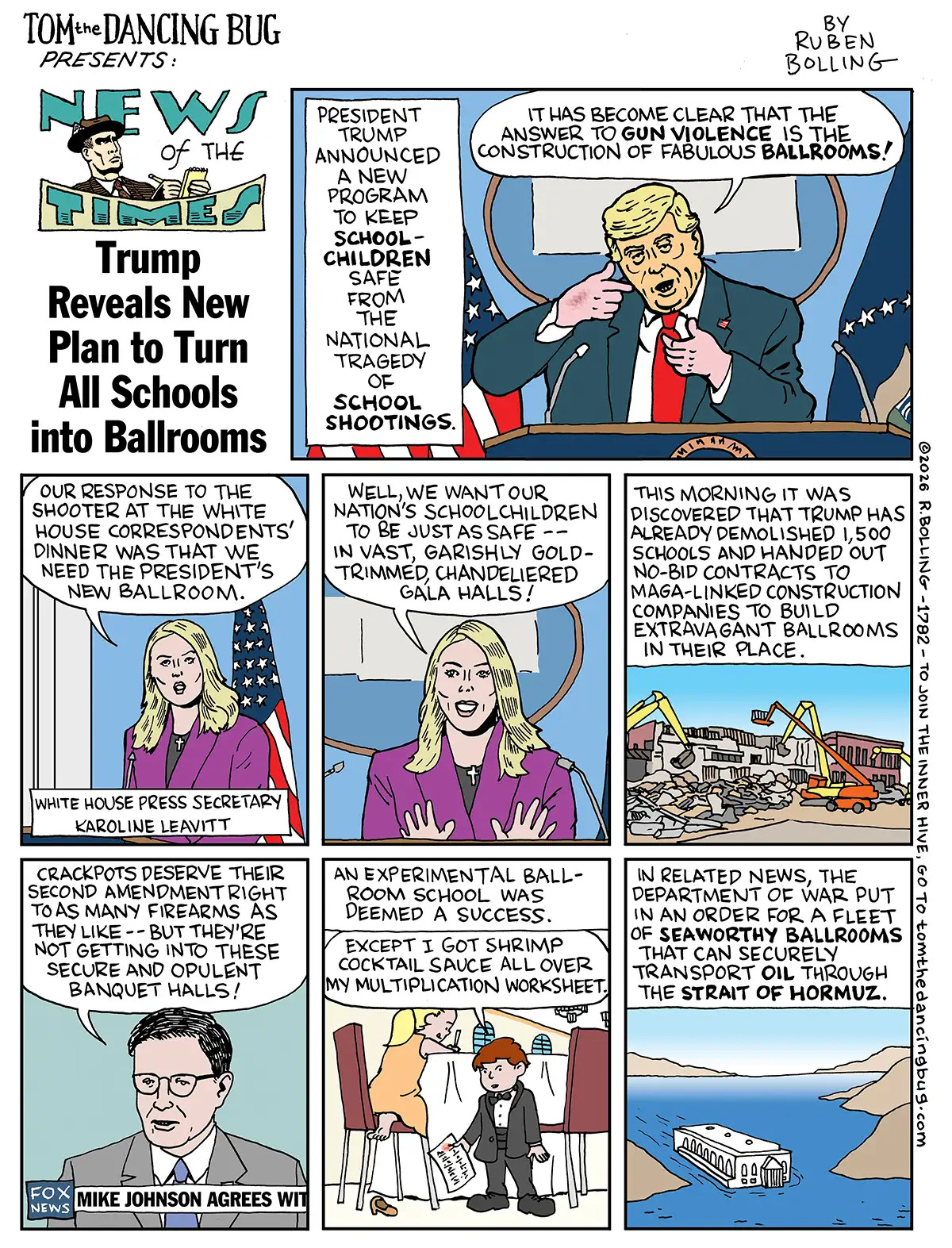
Beloved Windows text editor Notepad++ now on Mac
29iv26
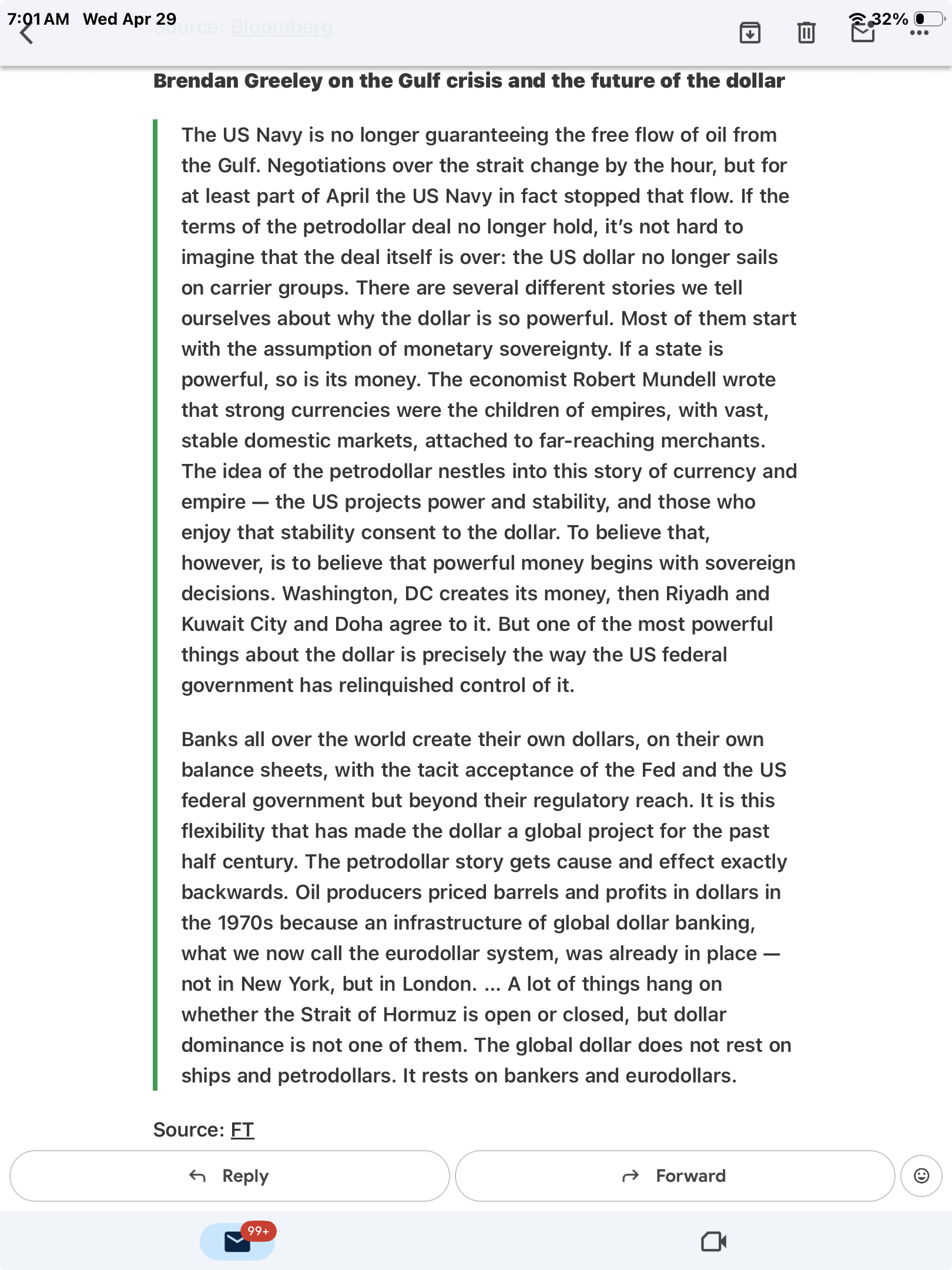
How the "War on Terror" Abroad came Home to America Andrea Mazzarino at Informed Comment
...The War on Terror has been notable for its heavy reliance on special forces operations like nighttime raids on civilian homes and incursions into mosques, schools, and marketplaces to search for enemy combatants or information. In particular, the U.S. scaled back large troop deployments in Iraq and Afghanistan after its failed wars in those countries, and yet, by 2016, about 70% of the world's nations had U.S. special operations forces deployed in them. At the height of the Afghanistan war in 2010-2011, U.S. special operations forces were conducting thousands of nighttime raids into Afghan homes in search of suspected terrorists.Since those special forces operate outside of conventional battlefield settings, often with little planning and without embedded journalists, the public has had few chances to scrutinize their activities. Not surprisingly, then, we haven't paid much attention to the civilian deaths that resulted. Roughly 40% — or close to half a million — of those killed directly in our wars have been civilians, an unnerving number of them children. Our military's reliance on special operations, urban warfare, and proximity-based ways of identifying suspected terrorists means that many people with no connection whatsoever to the warring parties have been shot down or bombed out in their homes, markets, or schools, among other places.
Social Media Is Now Parasocial Media danah boyd
...The term social media started to emerge to describe the broader set of services being created in the aughts shortly after Twitter became a sensation at the 2007 South-by-Southwest (SXSW)-Interactive conference (Burgess & Baym, 2020). Somehow, somewhere, in the coverage of Twitter's rise in popularity, “social media” became the term that journalists, bloggers, and the public converged on to describe the collection of websites like Twitter, Facebook, and YouTube that people used to connect to others by posting content about their lives. I blame the dreadful term “micro-blogging” for upending the distinction between blogging and social networking. Over the next decade, “social media” subsumed all other terms. “Social media” also subsumed the very practice that term was initially attempting to label....n 2006, most people who logged into the large platforms posted content because they were co-constructing sociable spaces to enjoy the companionship of others. In 2026, posting has waned (John, 2024); most social media users prioritize scrolling “amateur” content rather than posting their own haphazard updates for friends. The quality of the media on social media has become more strategically constructed, more intentionally curated, and more professional
...In laying out his theory of enshittification, Cory Doctorow (2025) describes a three-stage phenomenon that depicts what platforms look like as they become assetized. First, platforms attract users with a great service. Second, once those users are locked in, companies begin to abuse their users to benefit their business customers, including advertisers. Third, once those business customers are also locked in, platform companies begin exploiting both users and business customers to appease investors. (In his fourth stage, platforms die.) In 2026, many major social media platforms feel icky because we are in the full throes of the third stage of enshittification. Today's social media platforms are no longer centered around sociable activities. Instead, most platforms offer us a broadcast medium and invite us to learn how to game the algorithms so that we too can create assets for the major corporations (Cotter, 2019). Since scale is valorized in this platform economy, we are encouraged to curate ourselves in pursuit of fame and attention. We can still, in theory, create content for our 15 friends, but it's not clear that they will see what we post. To actually be seen, we must work it.
Of course, for many people, it's not clear whether working it for the algorithm is worth it. For many people, the benefits of joking around with friends on social media doesn't feel worth the potential privacy risks, reputational risks, and social risks. Scrolling is easier. Sending funny videos to friends via text message feels safer than reposting. Because of these shifts, we now live in a world of parasocial media. Parasocial relationships are one-sided connections, where individuals keep tabs on the lives and movements of people – like celebrities – who do not know us and feel no pressure to reciprocate. In a parasocial world, people dedicate their attention and emotions to tracking the dramas of individuals who exist at a distance. Parasocial relationships can be emotionally intense, but they do not produce the kinds of social fabric that anchor us when we are struggling.
Para=
via reddit/etymology
JudiciousJane
5mo ago
How about the new word "parasocial" which means seemingy social but not actually, as in my friendship with Alexa. Partly? Only on one side?ConcernSecret2808 4mo ago
Parasocial is most commonly used to refer to influencers or online personalities that people will watch an they bond over these people online . But if they met in person only one of them know anything about the other so it's a one sided relationship para in this ci text means "onesided" social relationship. ... Googled it an it was originated in 1956 meaning precisely what I wrote how ever the etymology said it was meaning para as in beside. But I would say it's closer to the Greek meaning of abnormal ... Hope this helpedThe many ways the para- prefix changes words Wordfoolery
An itemization of beginning with the prefix 'para' vocabulary.com
Parasocial interaction Wikipedia
I feel people fundamentally misunderstand the word "parasocial" reddit
Parasocial is Cambridge Dictionary Word of the Year November 2925
The Laugh Track at YouTube
The Apocalypse of the Reluctant Gnostics: C G Jung and Philip K Dick Jack Preston King at Medium
30 Archaic Words: Hate other sides of nobody
Meaning of Windmills Of Your Mind by Noel Harrison
Palantir's empire of dependency Enrique Dans at Medium
There are companies that sell technology, and there are companies that sell a way of organizing the world. Palantir is very much in the second category. And it's no longer hiding the fact. The tone it has recently taken, reflecting the ideological universe of "The Technological Republic", is a carefully honed mission statement: technology not as an instrument, but as the infrastructure of power....Palantir does not compete for isolated contracts; it takes structural positions. It enters governments, hospitals or large corporations with the promise of integrating data, and ends up defining the way in which that data is understood and used. As a former employee at Wired explained, its real contribution is "ontology": the layer that turns data into decisions. And whoever controls that layer controls much more than information.
That's the core of the problem. Palantir doesn't need to "keep" the data in a legal sense. It just needs to become the system through which that data flows, is interpreted and operated. Once inside, dependency is inevitable: processes are reorganized, decisions are automated, and the institution can no longer function without that infrastructure. It's not appropriation. It's something more sophisticated: centrality. Becoming the place from which everything else works.
What The HELL Just Dropped? Shubhransh Rai at Medium
Peter Thiel has been running JD Vance for over a decade.
And there are ties to Epstein, serious ones.
Not loosely.
Not as some metaphor.
Actually running him.
And once you see the full picture, the money, the emails, the private lectures.
You really can't unsee it.
The $15 million that started everything
Thiel gave Vance $15 million to launch his Senate campaign.
A check like that comes with expectations.
The kind you write when you've already decided someone's going to be president and you want to be the reason why.
Before that, Vance worked inside Thiel's venture capital world. They didn't just cross paths.
Vance was built inside Thiel's orbit. His entire political career exists because of that original relationship.
And now Palantir
Thiel's company, holds major government contracts under the current administration.
The bet paid off.
Exactly as planned.The Epstein emails
This is where it gets really uncomfortable.
Leaked emails show Thiel and Epstein were much closer than anyone previously knew.
When Epstein's crimes first made global headlines in 2015, Thiel didn't pull back.
He emailed Epstein with sympathy about the bad press. Suggested they compare notes on handling controversies.
Said he'd stop by the island.
Two weeks after a lawsuit went worldwide.
Epstein, on his end, actively pushed Thiel deeper into Trump world.
Connected him with fundraisers.
Advised him not to publicly criticize Trump. Helped position Thiel exactly where he sits today.
Epstein also offered Thiel $50 to $100 million to invest. Thiel responded by putting Epstein into a $20 million position in his new fund.
Money going both ways.
Favors going both ways.30iv26
Memory Game Is On Alan Levine
...Hickey shoots down the memory as writing to disk storage concept, but even better gets to the notion that the retelling, the re-remembering of experiences we've lived, is not only what reinforces it, but also creates the memory we construct, not stored as a perfect series of "facts".It's why I love the blog as the place I write memories first in the time they happen, but then regenerate tem if I link back or stumble over them, and as well whey I ended up mopping up messes in opld posts, or fixing links, or adding details I missed the first time.
I am at work making memories of the stories I blog myself.
Gut Respiration Small Things Considered
Take a breath of fresh air. Appreciate the oxygen you are respiring. You are, after all, an obligate aerobe. Now move your attention to your gut; think of the multitudes there. How do they eke out their existence when you leave them so little oxygen? Are they all fermenting? No, plenty of them can get by quite well through anaerobic respiration.Now think again. What terminal electron acceptors do you visualize when it comes to anaerobic respiration. If you are like us here at STC, you'll probably think nitrate, sulfate or iron. Generally, inorganic molecules. If you are quite clever, or know your E. coli genetics and remember what fnr stands for, you'll think of fumarate. Fumarate, an organic molecule! A bit strange to see organic molecules as electron acceptors, isn't it?
Well, not any more. Little et al. report a noteworthy finding. Sequence analyses of human gut bacteria revealed that members of the families Burkholderiaceae, Eggerthellaceae and Erysipelotrichaceae, encode large arsenals of tens to even hundreds of respiratory-like reductases per genome. Subsequent studies showed that the substrates of many of these are dietary and host-derived organic metabolites. Among these are some rather unexpected (at least to us) suspects, e.g., caffeate, cinnamate, and resveratrol.
Next time you breathe and concomitantly delight in some red wine, imagine those members of your gut bacteria that will be happily (and anaerobically) respiring the resveratrol you so generously provided.
(quotes WSJ:
...Tech companies are in effect playing a game of chicken with each other on capital-spending plans. They are shelling out as much as they can—more than their rivals, they hope—on AI chips and data centers that could put them in the lead in a race they feel they can't afford to lose. That in turn is heightening competition over who can use AI to help do more with a lot less, freeing up money to spend on expensive chips.(quotes FT)
...As cash-strapped Pakistan tried to mediate an end to the US-Israeli war on Iran, the United Arab Emirates made a shock request of its longtime ally — repay $3.5bn immediately. Abu Dhabi's request this month threatened to drain a fifth of Pakistan's central bank reserves and imperilled a $7bn IMF bailout programme agreed in 2024. Saudi Arabia, which signed a mutual defence pact with Islamabad last year, swung to the rescue with $3bn in fresh central bank deposits and the extension of an existing $5bn in deposits for more than a year.Abu Dhabi's decision reflects its growing frustration with Islamabad, partly because of its deepening ties with Riyadh, but also what it considers Pakistan's meek response to Iranian attacks on the Gulf after the US and Israel launched their war ... Underlying this is simmering tensions between Saudi Arabia, which signed a defence pact with Islamabad in September, and the UAE. A rift between the Gulf's powerhouses burst into the open over disputes in the civil war in Yemen, where they back rival factions, in December and January. The US-Israeli war with Iran papered over those cracks as the Islamic republic has responded by attacking both Gulf states.
But analysts say the Saudi-UAE tensions continue to fester, with Riyadh more closely aligned with Pakistan, Turkey and Egypt than its Gulf neighbour. The UAE's ties with Islamabad date to Abu Dhabi's independence from the UK in 1971. The first five chiefs of staff of the Emirati air force were Pakistani citizens, while Pakistan's flag carrier Pakistan International Airlines provided aircraft and training to Emirates Airlines. The UAE in turn provided billions of dollars of financial support to Pakistan and hosts some 1.5mn Pakistani expatriates.
Relations became strained in 2015 when Islamabad bowed to public pressure and declined to join the Saudi-led coalition against Iranian-backed Houthi rebels in Yemen. Since late last year, Pakistan had been seeking to secure an agreement to roll over at least $2bn of the Emirati loans for two years, but Abu Dhabi rattled Islamabad by moving to monthly extensions in January, according to two people familiar with the matter. The UAE's decision to seek immediate repayment this month surprised the finance ministry in Islamabad, as well as the IMF, Some observer warn of the risk of over-reliance on financing from Saudi Arabia, which is now equivalent to roughly half of Pakistan's central bank reserves of $16bn.
The mutual defence pact had raised hopes of more Saudi investment and financial support in exchange for Pakistan's military might. But two of the Pakistani advisers said Riyadh, which is facing tightening liquidity and a widening deficit while managing vast domestic financial commitments, had so far shown limited appetite in translating the accord into investments. "The Saudis never had any illusions about Pakistani help and were simply hoping Iran would think twice before attacking them. This proved wrong," said Bernard Haykel, professor of near eastern studies at Princeton University, who is writing a book about the Crown Prince Mohammed bin Salman. "Saudi cannot afford to bail out Pakistan," said Haykel.
The Logic of NACHO Paul Krugman
...On Wall Street, TACO — Trump Always Chickens Out — has abruptly been replaced as a favorite meme by NACHO — Not a Chance Hormuz Opens. As a result, oil futures have soared.I never bought into the TACO meme, which was initially about tariffs: Trump did not, in fact, reverse his destructive tariff policy, although he blinked in his confrontation with China. But NACHO looks right. Hormuz won't open until the economic damage from its closure becomes much more severe.
Realistically, the only way to reopen the Strait of Hormuz is for both sides to stand down — for Iran to lift its de facto embargo on shipping through the Strait, while the U.S. lifts its blockade on Iranian shipping.
...So what is preventing the reopening of the Strait? Three factors: Trump's ego, his ignorance, and the Iranians' unfortunately justified belief that any agreement they reach with America would be effectively worthless.
Trump's ego is so fragile that he can never admit losing. He cannot bear to face up to the reality that he, more or less single-handedly, led America to the greatest strategic defeat in its history. So he desperately wants to extract concessions from Iran that would lend him a fig leaf and allow him to claim victory.
Thus he deludes himself into believing that he can extract concessions from the Iranians. Moreover, those delusions are reinforced by the people that Trump has surrounded himself with — people who tell him how well the war is going in order to flatter his ego. Consequently, Trump is clearly the worst informed president in modern history about the actual state of America at war.
...How will this end? Unless Trump is willing to commit massive war crimes — and the U.S. military goes along — it will end with the non-deal that was already on the table weeks ago: America ends its blockade while Iran opens the Strait. Iran will emerge poorer but strategically stronger. And America will have suffered its worst strategic defeat in history as a result of a completely gratuitous misadventure to please Trump's ego.
Physical AI: Who Will Inherit the Farm? Mihailo Zoin
...Across major farming economies, the same forces are colliding: farmers are aging, seasonal labor is harder to find, and food demand continues to rise. That gap is where physical artificial intelligence begins to matter. In agriculture, it does not first appear as a luxury, or a futuristic gadget. It appears as a survival tool.A farm that loses workers does not only lose labor. It loses continuity. It risks losing the future.
...A wheat field in Kansas does not look the same today as it did two weeks ago. Rain changes soil density. Insects alter damage patterns. Temperature shifts ripeness. In vineyards and orchards, each row has its own microclimate, history, and timing.
This is what robotics calls an unstructured environment: a space not designed for machines, without uniform surfaces or stable parameters. A factory is structured. A field is not.
That is why agriculture is one of the hardest forms of physical artificial intelligence. It is also why success there is so valuable.
...Another problem farming faces is visibility. No farmer can see everything happening across a farm at once.
This is where systems like Polybee's become important. Its autonomous drone fleets continuously scan plants, collect visual and environmental data, and help determine health, irrigation needs, and harvest timing. The point is not spectacle. The point is precision.
Many farming decisions are still made through experience, field walks, and partial sampling. That knowledge is often deep, but it is also limited by human scale. A drone system does not replace judgment. It expands what judgment can see.
...Conventional spraying often treats an entire field because there is no practical way to work plant by plant. Robotic precision makes plant-by-plant action possible.
That reduces chemical use, lowers cost, and brings environmental benefits. But more importantly, it shows what physical artificial intelligence in farming really is: not a giant abstract intelligence, but a system that can perceive context and act at the level where value is actually created.
...The deepest question in farming is not only how to increase efficiency. It is who will take over.
Many rural communities face the same pattern. Younger people leave because the work is physically demanding, income is uncertain, and the long-term outlook is unclear. Physical artificial intelligence cannot solve all of that. But it can change some of the coordinates.
...The most profound shift may not be the robot arm or the autonomous tractor. It may be the farm's memory.
A traditional farm often runs on knowledge stored in one person's head: where a problem appears first, what worked last season, which area dries out fastest, when to act. That knowledge is powerful, but fragile. It disappears when the person leaves.
A farm layered with drones, sensors, autonomous equipment, and recorded interventions begins to build something else: externalized memory. The history of the field no longer exists only in the memory of the aging farmer. Part of it now lives in systems that remain.
That does not replace human wisdom. It preserves enough of it so that the next person does not begin from zero.
...If physical artificial intelligence succeeds in agriculture, it will not be because it made farming look futuristic. It will be because it made farming survivable, transferable, and worth continuing.
That is why the real promise of physical artificial intelligence in agriculture is not that it replaces the farmer.
It is that it may finally make it possible for the farm to have an heir.
Stressed Out History of English podcast
Quoting the World Max Norman at NYRB, on Eugène Atget
This dialect map covers all of North America's English accents boing boing
Brad DeLong
Slides: Theories of Economic HistoryZoom Video (& Slides): Theories of Economic History
Theories of Economic History II: Stage Theories :: Roughly-Edited Transcript
Theories of Economic History III: Prehistory :: Roughly-Edited Transcript
Theories of Economic History VI: Modern Economic Growth :: Roughly-Edited Transcript